
Last updated November 25, 2026
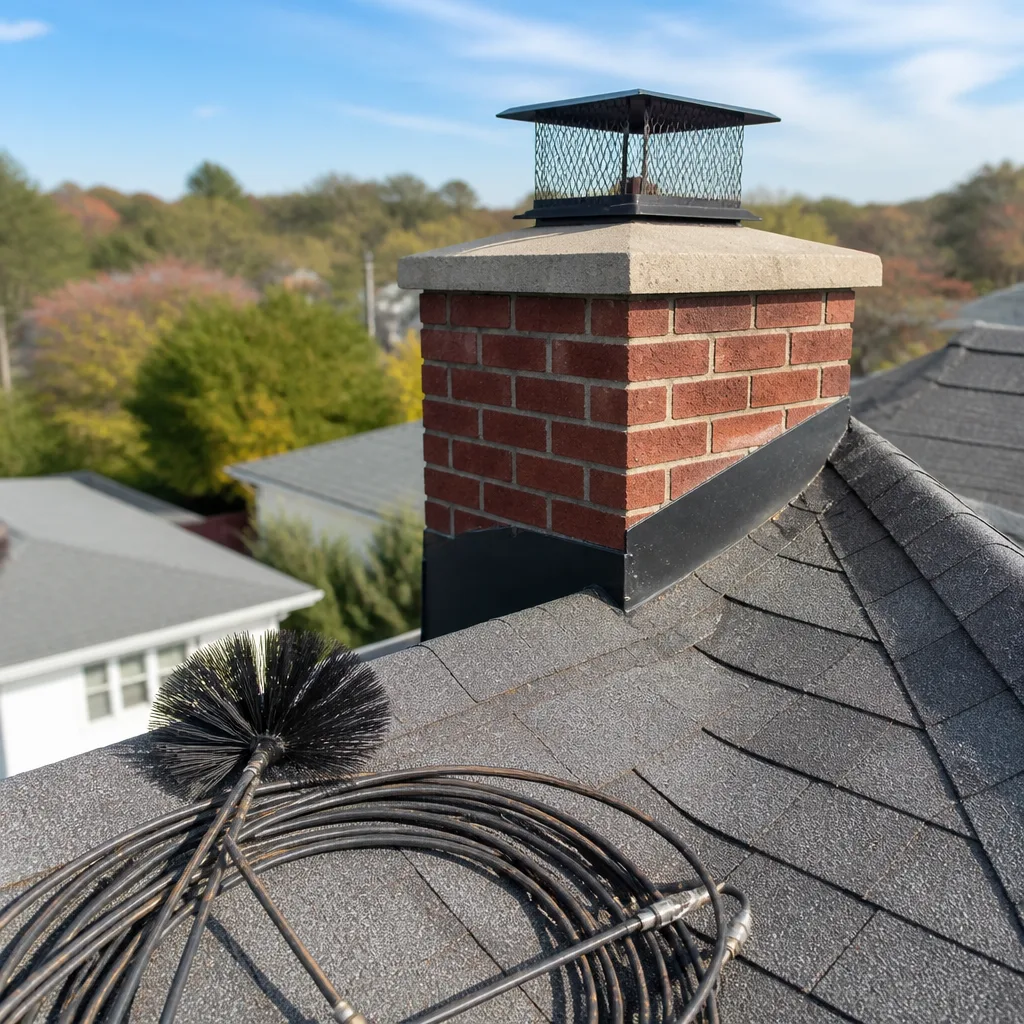 Sweep & inspection
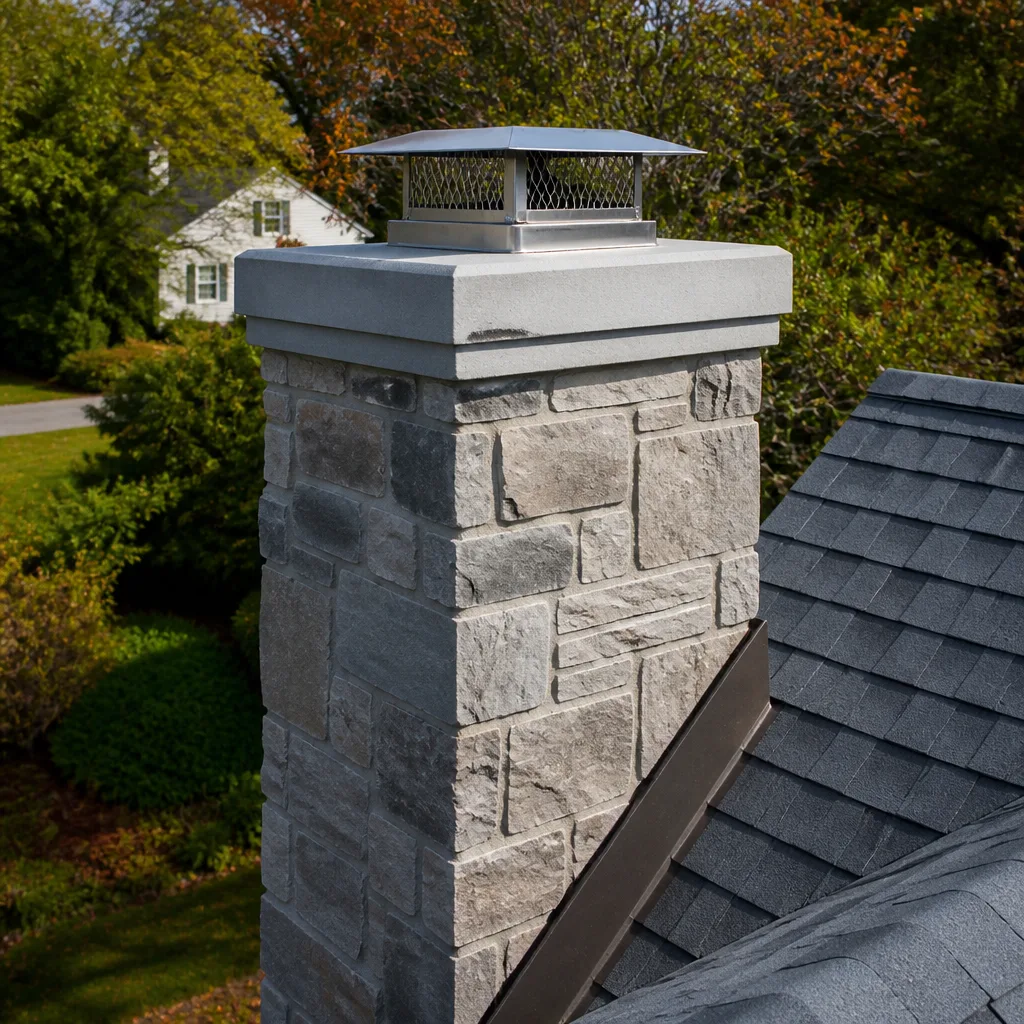 Caps & crowns
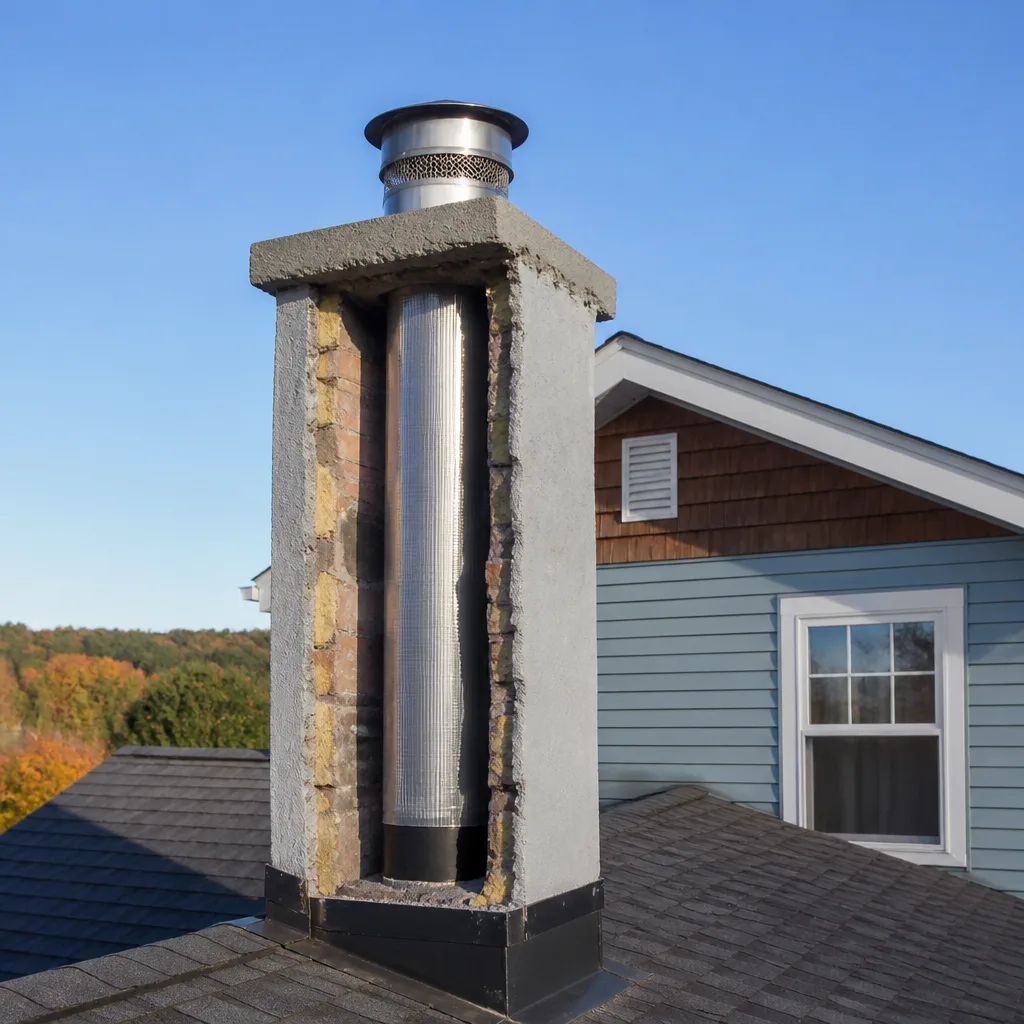 Flue relining
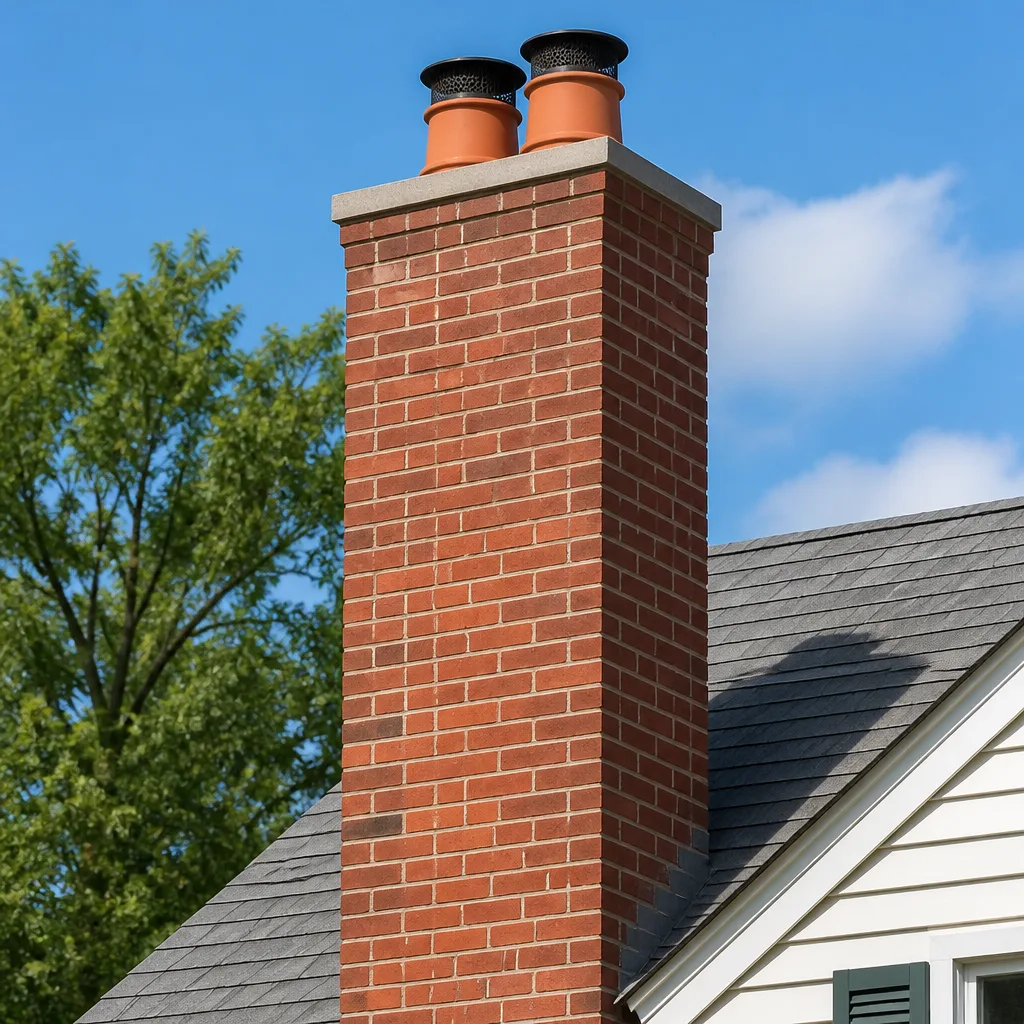 Masonry repair
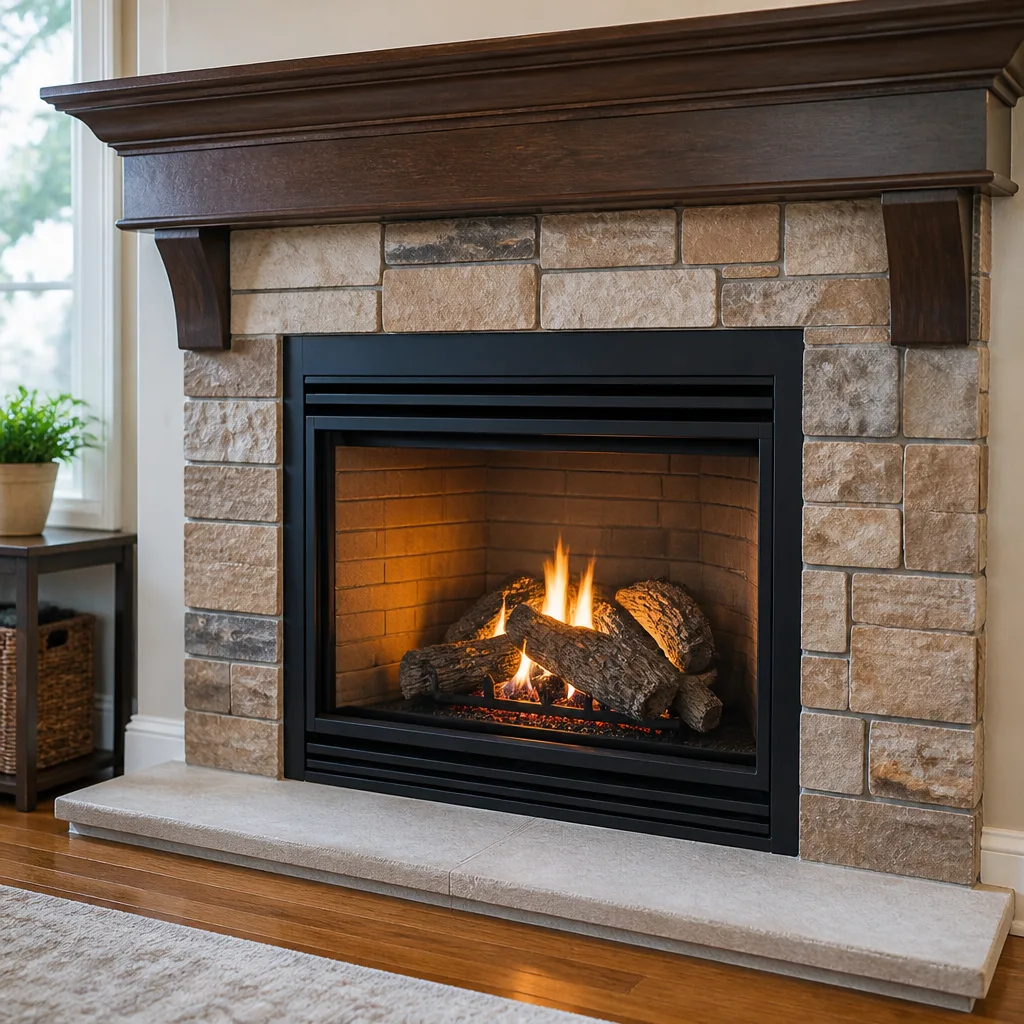 Gas fireplace service
Level 1 sweep and inspection to the NFPA 211 annual standard - flue, crown, cap, and flashing checked and photographed
Chimney sweep logs do not sweep chimneys. They loosen some creosote - which then falls where a brush and vacuum still have to collect it.
Chimney Cleaning Warning Signs: An Auburn Homeowner’s Reference Guide
A strong sulfur or tar odor coming from a cold fireplace isn’t a reminder that a sweep is overdue. It’s a sign of active third-degree creosote, the glazed, hardened stage that sits one air pressure event away from an internal chimney fire. Most warning-sign lists lump that kind of problem in with a loose cap or a cosmetic crack in the firebox brick, and homeowners end up treating very different hazards as if they were the same. This guide separates them. We rank every common chimney warning sign into three tiers – monitor, schedule within two weeks, and stop use now – so an Auburn homeowner can tell which signs mean “book a sweep when it’s convenient” and which mean “don’t light another fire until someone looks at this.”
Styles & brands we work with
- Sweep & inspection
- Caps & crowns
- Flue relining
- Masonry repair
- Gas fireplace service
Quick Answer
The most serious chimney warning signs are a strong tar or sulfur smell from a cold fireplace, a rumbling or popping sound during a fire, smoke rolling back into the room, and white staining on exterior brick – all of which point to creosote ignition risk, a liner breach, or moisture getting into the structure. Those signs mean stop using the fireplace and get a professional inspection before the next burn. Softer signs like a shallow soot layer, a slightly drafty fire, or a small amount of ash accumulation usually mean schedule a cleaning within the next couple of weeks. The severity tier matters more than the sign itself, because the wrong response to a serious sign can turn a repair into a structural job.
Table of Contents
- The Three-Tier Severity Framework for Chimney Warning Signs
- Creosote Stages and the Sulfur or Tar Smell
- Smoke Rollout: Dirty Flue vs. Cracked Liner
- White Efflorescence on Exterior Brick
- Sounds a Chimney Makes and What They Mean
- Wildlife in the Flue: An Auburn Off-Season Reality
- Draft Problems, Backpuffing, and Airflow
- Common Mistakes to Avoid
The Three-Tier Severity Framework for Chimney Warning Signs
Every chimney symptom you notice belongs in one of three buckets, and the bucket determines your response. The mistake most homeowners make is treating all warning signs as equally urgent, which either causes panic over a cosmetic issue or – far more dangerous – causes real structural signals to get filed under “I’ll deal with it before winter.” The framework below ranks what you’re likely to see, in the order we classify it during an inspection in Auburn.
Tier 1 – Monitor and schedule a routine sweep. These are the signs that say your chimney is doing its job but needs maintenance on the normal cycle:
- A thin, even layer of soot or light brown creosote on the firebox walls
- A slightly sluggish fire that still draws once the flue warms up
- Ash buildup above the grate line that’s easy to shovel out
- A faint smoky smell after a fire that fades within a few hours
- A small amount of debris visible on the smoke shelf
Tier 2 – Schedule within two weeks, and don’t burn more than a fire or two in the meantime. These signs suggest a developing problem that isn’t yet an emergency:
- Visible creosote buildup that looks crusty, flaky, or puffy
- Persistent smoky odor that lingers for days after a fire
- A fire that struggles to catch or smokes more than it used to
- A cap that’s visibly loose, dented, or missing a screen
- Water staining on the firebox ceiling or damper
Tier 3 – Stop use immediately and call for an inspection. These are the signs that indicate an active hazard:
- Strong tar or sulfur smell from a cold fireplace (glazed, third-degree creosote)
- Rumbling, popping, or clicking sounds during a fire
- Smoke rolling into the room instead of going up the flue
- Visible cracks in the flue tile through the damper
- White efflorescence on exterior chimney brick combined with interior staining
- Any sign that an animal has been living in the flue
In our experience across Auburn, the calls we get most often are homeowners who moved a Tier 3 sign into Tier 2 because it looked like the milder version. A sulfur smell and a smoky odor can be described the same way in a phone call. They are not the same problem. When in doubt, treat it as Tier 3 and get an inspection.
Creosote Stages and the Sulfur or Tar Smell
Creosote builds up in three distinct stages, and only the first one is a routine cleaning issue. The second and third stages are where chimney fires start. If you understand the stages, the smell and appearance of your flue becomes a lot more readable.
First-degree creosote
Soft, sooty, and thin. It brushes off easily during a routine chimney sweep and it’s the normal residue of regular fireplace use. First-degree creosote is what you’ll see after a season of burning well-seasoned wood in a properly drawing flue.
Second-degree creosote
Crusty, flaky, and harder to remove. This stage forms when the flue isn’t getting hot enough to fully burn off the residue, or when unseasoned wood is being burned. It requires a more aggressive cleaning than a standard sweep, but it’s not yet a fire risk on its own.
Third-degree creosote
Glazed, hardened, and fuel-rich. This is the stage that ignites. Third-degree creosote often looks like a shiny, tar-like coating inside the flue, and it emits a distinct sulfur or tar smell – sometimes described as a burnt-rubber or creosote-pitch odor – especially when the fireplace is cold and the chimney isn’t drafting. That smell is the sign that the flue is holding a fuel load, not just a residue.
During a chimney fire, creosote ignites inside the flue, and the air pressure event the ignition causes can crack or dislodge the tile liner. The visible fire may be brief. The damage to the liner is what makes the next fire dangerous. We’ve responded to plenty of Auburn calls where the homeowner heard the “whoosh” of a chimney fire weeks earlier, assumed it went out and did no damage, and only found out at inspection that a tile had cracked.
If you smell sulfur or tar from a cold fireplace, treat it as Tier 3. Don’t light a fire to “see if it clears out.” That’s the opposite of what you want. Schedule an inspection so the flue can be evaluated for glazed creosote and liner damage at the same time.
Smoke Rollout: Dirty Flue vs. Cracked Liner
Smoke rolling into the room instead of going up the flue looks identical in both of its two common causes – a flue that’s blocked by soot and creosote, and a flue that’s leaking through a cracked or collapsed liner. The symptoms are the same, but the repair is not. One is a cleaning; the other can mean liner restoration or replacement.
Smoke rollout from a dirty flue usually develops gradually. The fire starts fine and then gets smoky as it settles in. You might notice it only on cold starts or on windy days. When the flue is cleaned, the draft restores and the problem goes away. In Auburn’s wet winters, creosote that has absorbed moisture tends to swell and reduce the flue opening, which is one reason rollout often shows up in late fall or early winter after the first wet stretch.
Smoke rollout from a cracked or collapsed liner often appears suddenly. A fire that always drew cleanly now smokes, or you notice smoke appearing above the damper rather than just at the firebox opening. Liner cracks let smoke escape into the chimney chase instead of up the flue, and in some cases that means combustion gases are leaking into the home’s structure.
Here’s how we separate the two during a diagnostic inspection:
- Ask about the timeline. Gradual rollout points to buildup; sudden rollout points to liner or structural damage.
- Run a camera inspection. A camera view of the flue shows whether creosote is the visible obstruction or whether the tile itself is cracked, spalled, or offset at a joint.
- Check the smoke chamber and damper area. Smoke curling from above the damper rather than at the firebox opening is a strong sign of a liner breach.
- Look for efflorescence and interior staining together. If both are present, liner moisture is likely involved (see the next section).
If you have sudden smoke rollout, stop burning and get an inspection. The good news is that a cracked clay-tile liner doesn’t always mean full replacement. HeatShield liner resurfacing can restore a damaged tile flue in many cases, sealing the cracks from the inside rather than pulling the whole liner out. A camera inspection tells you which path you’re on. We can’t make that call without seeing the flue.
White Efflorescence on Exterior Brick
White, chalky staining on the exterior chimney brick is one of the most misread warning signs in Auburn. Homeowners often assume it’s harmless mineral residue from the outside, something to power-wash off. In most cases, it’s a water-migration signal, and the water it’s telling you about is coming from inside the chase.
Efflorescence is the crystalline deposit left behind when moisture moves through masonry and evaporates on the surface, leaving dissolved salts behind. Some of that moisture is exterior, but a chimney chase is also one of the most water-exposed parts of a house. Cap and crown failures let water in at the top, and liner breaches let combustion moisture escape into the chase. The chimney is essentially a heat stack that pulls a little air up through the structure while it’s in use, and moisture that gets into the masonry has to go somewhere.
Here’s what matters about efflorescence:
- Efflorescence alone indicates moisture is moving through the brick. Not automatically a hazard, but it warrants a cap and crown inspection.
- Efflorescence plus interior staining (white residue at the firebox ceiling, water rings at the damper) indicates water is coming down the flue. That’s a Tier 3 sign.
- Efflorescence plus spalling brick (flaking brick faces) means the masonry has been saturated repeatedly. Structural repair may be involved.
- Efflorescence below the roofline only, with a clean upper chimney often points to a flashing problem, not a liner problem, and should be inspected by a roofer.
We inspect cap and crown as part of chimney cap & crown work because the top of the chimney is where most moisture enters a masonry chase in Auburn. A failed crown – even a hairline crack – lets water run behind the brick and into the liner from above. Copperfield caps and correctly sloped concrete crowns solve a lot of what efflorescence is showing you. If the masonry has already saturated, the repair schedule matters more than the repair choice; wet brick that freezes over the winter spalls faster than dry brick.
Sounds a Chimney Makes and What They Mean
A quiet chimney crackles and pops with wood. A chimney that rumbles, clicks, or ticks in ways the wood doesn’t is telling you something else. The sounds below are the ones we treat as diagnostic and not just “the fire settling in.”
Rumbling or a low roaring sound during a fire
A rumble that’s louder than the sound of your normal wood fire is often a sign of an active or very recent creosote ignition in the flue. It can also indicate that a liner has partially collapsed and the draft is pulling against an obstruction. Either way, this is a stop-use signal. Let the fire burn out naturally if it’s still going (never use water on a chimney fire from the firebox), then call for an inspection.
Popping or clinking during a fire
Wood pops and clicks, but so does hot masonry as it expands. If the popping sound seems to come from the chimney structure rather than the firebox, if it’s accompanied by a metallic ring, or if it happens in bursts that don’t match the fire’s rhythm, it can indicate movement in the flue tile joints, a crown failing, or a firebox seam opening. This is a Tier 2 to Tier 3 sign depending on intensity. Get it looked at.
Clicking after the fire goes out
Masonry cools unevenly, and a little ticking during cool-down is normal. Clicking that persists or is louder than usual can indicate that a hot spot has developed in the chase, or that the flue has been stressed by a chimney fire. If the chimney kept cooling quieter than this in previous seasons, that’s a signal worth investigating.
Ticking or tapping with no fire going
Almost always an animal or air movement, but it can also indicate a cap that’s working loose and rattling in the wind. See the wildlife section below. A cap that clinks on windy days is easy to miss; a cap that’s about to fail is what you’re trying to catch before it lets water in.
Sound is one of the least expensive diagnostic tools a homeowner has. If the sound changes, note it, and describe it clearly when you call. Our technicians have up to 9 years of experience reading the differences between fire noise and structural noise, and it usually saves an entire inspection cycle when the owner can describe what they heard.
Wildlife in the Flue: An Auburn Off-Season Reality
Auburn’s mature-tree neighborhoods are excellent habitat for starlings, raccoons, and squirrels, and a chimney is a very good nest site from their point of view: elevated, sheltered, and usually unused in the warm months. The sign you’ll most often notice is a scratchy, tapping, or chirping sound coming from the chimney with no fire burning, or a sudden flurry of insects and dried debris at the firebox on the first cold snap.
Wildlife in the flue is a Tier 3 sign, even though the animal itself may not be dangerous. The reason: an occupied flue is a blocked flue, and burning in a blocked flue is how smoke and carbon monoxide end up in the living space instead of going up the chimney. A raccoon nest or a starling nest built of twigs and dried grass is also a fuel load sitting in direct contact with your flue tile.
Signs that an animal has entered the flue include:
- Scratching or chirping from the chimney, especially in the morning or evening
- Insects swarming at the firebox opening or the fireplace doors
- A faint ammonia or animal odor near the fireplace or the chimney top
- Twigs, dried grass, or feathers visible at the smoke shelf or on the firebox floor
- Nesting material visible at the top of the chimney from below
If you suspect an animal, don’t light a fire to “test” it, and don’t try to smoke the animal out. Raccoons in particular can be aggressive when cornered, and burning in a nest is a fire hazard before it’s anything else. A chimney cap with a properly fitted screen is the permanent solution, and it also stops the next animal from moving in. Gelco and Copperfield components are among the caps and screens we specify, because the top-of-chimney wildlife problem in Auburn is solved by closing the opening correctly, not by trying to clean out a nest every fall.
Draft Problems, Backpuffing, and Airflow
A chimney that puffs smoke back into the room when a fire is lit – called backpuffing – is usually a sign about draft, not combustion. Draft depends on three things: a clear flue, a warm flue, and enough air supply to feed the fire. A warning sign in any one of these three shows up as smoke in the room.
Clear flue. Buildup of creosote or debris reduces the flue’s effective diameter. A small reduction in cross-section causes a large reduction in draft. This is the most common cause of backpuffing we see in Auburn, and it’s solved by cleaning.
Warm flue. A cold flue doesn’t draw. That’s why your first fire of the season is more prone to smoke rollout than a fire on a third cold night. If your fireplace has always needed a warming trick to draw and now it needs more, that’s a signal that the draft path has changed.
Air supply. Modern homes are tighter than older homes, and a fire needs make-up air to draw properly. If your fireplace draws well with a window cracked and poorly with everything closed, that’s an air supply issue, not a chimney issue. It also means you should never run a fireplace in a tightly closed room without a source of combustion air.
Backpuffing that appears suddenly after years of clean draws is a Tier 2 to Tier 3 signal. If it’s accompanied by any efflorescence, interior staining, or sounds from the flue, treat it as Tier 3 and get an inspection before you burn again. Backpuffing on every fire for a full season without a cause identified is a sign that something in the flue or the liner has changed.
Common Mistakes to Avoid
- Treating a sulfur smell as a “cleaning reminder.” A tar or sulfur smell from a cold fireplace is third-degree creosote, not ordinary residue. That’s a stop-use sign, not a to-do-list item for the next sweep.
- Burning a quick “test fire” to see if a smoke problem clears up. Smoke rolling into the room is exactly the moment to stop burning, not test. If the cause is a cracked liner, the test fire pushes combustion gases into the structure of the house.
- Assuming white brick staining is cosmetic. Efflorescence points to moisture moving through the masonry, and in Auburn’s climate, wet brick that goes into a freeze cycle loses its face faster than dry brick. Get it evaluated.
- Ignoring a cap that’s missing its screen. A screen is not a decorative part of the cap; it’s what stops the next raccoon, starling, or squirrel from choosing your chimney as a nest site. A screen-free cap is a wildlife invitation.
- Delaying a cleaning through the shoulder season in Auburn. Creosote that built up over the winter has a full wet spring and summer to absorb moisture and swell before the next season. A cleaning in the late spring or summer is easier and safer than catching up on it in October.
- Adding a wood insert or switching fuel without a liner evaluation. Higher-efficiency inserts and gas fireplace conversions change the heat profile inside the flue. A flue that handled a traditional open fireplace wasn’t necessarily designed for the flue-gas temperatures of a modern insert. Have the liner evaluated as part of the change.
- Calling a general handyman for a structural chimney signal. A chimney that’s whistling, rattling, or showing smoke at the damper needs a chimney specialist with a camera and the ability to restore a liner if the diagnosis lands there. A crew that sweeps chimneys “on the side” won’t have the capability to do the follow-on repair.
When to Call a Professional
Call for an inspection when any of the following is true: you smell sulfur or tar from a cold fireplace, you’ve heard rumbling or popping during a fire, smoke rolls into the room, you see white staining on the exterior brick combined with water stains inside the firebox, you hear an animal in the flue, or your last professional cleaning was more than a year ago and you’ve burned regularly since. Those are the Tier 3 signals, and they justify an inspection before your next fire. Tier 1 and Tier 2 signals – a smoky smell after use, sluggish draft, visible crusty creosote, a loose cap – can be scheduled within a couple of weeks rather than a couple of days. A standalone inspection is itself a valid reason to call, even if nothing is wrong; an honest diagnosis with a camera and a photo report is the most useful thing you can get from a chimney specialist. Auburn Chimney Sweep Pros offers free estimates in Auburn – call (877) 492-4265. We answer 24/7. Fast dispatch from 7am to 7pm, Sunday through Friday.
Frequently Asked Questions
The four most serious are a tar or sulfur smell from a cold fireplace, rumbling or popping sounds during a fire, smoke rolling into the room instead of going up the flue, and white efflorescence on exterior brick that’s paired with interior water staining. All four point to either third-degree creosote, a liner breach, or moisture in the structure, and each means stop burning until the chimney is inspected. Lighter signs – a smoky draft, visible sooty buildup, a loose cap – mean schedule a cleaning in the next week or two rather than immediately. Call (877) 492-4265 for an inspection if you’re seeing any of the serious ones, and we’ll tell you what the flue actually looks like.
A chimney fire is often quieter than people expect. The classic signs are a loud “whoosh” or rumbling sound from the flue, a vibration you can feel through the wall, a sudden smell of tar or smoke in the house, or a plume of dark smoke from the chimney top. It can also happen with almost no sound at all, and the only sign afterward is damage found at inspection. If you suspect a chimney fire happened – even weeks or months ago – the liner needs to be evaluated before you burn again. Call (877) 492-4265 to schedule an inspection; a camera view will tell you whether the tile is intact.
White efflorescence on exterior brick means moisture is moving through the masonry, and on its own it’s a sign to inspect the cap and crown rather than an emergency. Combined with interior water staining, it’s a strong sign that water is coming down through the flue, which is a stop-use signal. In Auburn’s wet climate, saturated brick goes into the winter freeze cycle and spalls, so the repair decision isn’t just about the liner – it’s about preserving the structure. Call (877) 492-4265 to schedule a cap and crown inspection and we’ll tell you what the moisture is telling you.
The standard guidance is once per year for a chimney that’s used regularly, and more often if you’re burning a lot of fires, burning unseasoned wood, or noticing any of the Tier 2 warning signs above. The “right” interval is really based on how much creosote has accumulated, which is why an annual inspection is the anchor and the cleaning schedule is set from what the inspection finds. If you’ve never had the flue looked at, call (877) 492-4265 and we’ll start with an inspection.
You can, though most homeowners who try find the setup – a roof ladder, a stiff brush, and a camera you can’t actually see into the flue with – is more than they want to manage. The bigger issue is that a DIY cleaning doesn’t tell you the condition of the liner, the crown, or the smoke chamber, and those are where the real warning signs live. A professional chimney sweep includes a visual inspection, and a standalone inspection adds a camera view and a photo report. Call (877) 492-4265 with any questions about what a sweep includes.
Don’t light a fire, and don’t try to smoke the animal out. A flue with wildlife in it is a blocked flue, and a nest is a fuel load sitting against your flue tile. Call (877) 492-4265 and we’ll schedule an inspection and removal, then fit a cap with a proper screen so it doesn’t happen again. In Auburn’s mature-tree neighborhoods, this is one of the most common off-season calls we get, and a correctly fitted cap solves it permanently.
The Bottom Line
The single most useful thing an Auburn homeowner can do with this guide is internalize the word “tier.” Most warning signs fall into a predictable severity tier, and the tier – not the sign itself – dictates the right response. A smoky smell is a scheduling reminder. A sulfur smell is a stop-use signal. Smoke rollout with a gradual onset points to buildup; smoke rollout that appears suddenly points to a liner breach. White efflorescence is a moisture signal that needs a cap and crown inspection, and wildlife in the flue is a stop-use event even though the animal itself is harmless. Tier 1 and Tier 2 signs give you time. Tier 3 signs are why “we’ll get to it before winter” is the wrong answer. If you’re not sure which tier you’re in, that’s an inspection question – not a “wait and see” question.
Our full-scope work runs from a routine chimney sweep to fireplace repair, chimney cap & crown work, and liner restoration using DuraFlex, HeatShield, Gelco, Olympia Chimney, Famco, and Copperfield materials matched to the job. All five core services are under one roof, a standalone inspection is available whenever you want one, and every diagnosis comes with a camera view and a photo report you can look at yourself. We’re reachable through Auburn Chimney Sweep Pros whenever you’re ready.
Call (877) 492-4265 for a free estimate. We answer 24/7. Fast dispatch from 7am to 7pm, Sunday through Friday.
Written by the team at Auburn Chimney Sweep Pros.
See the difference
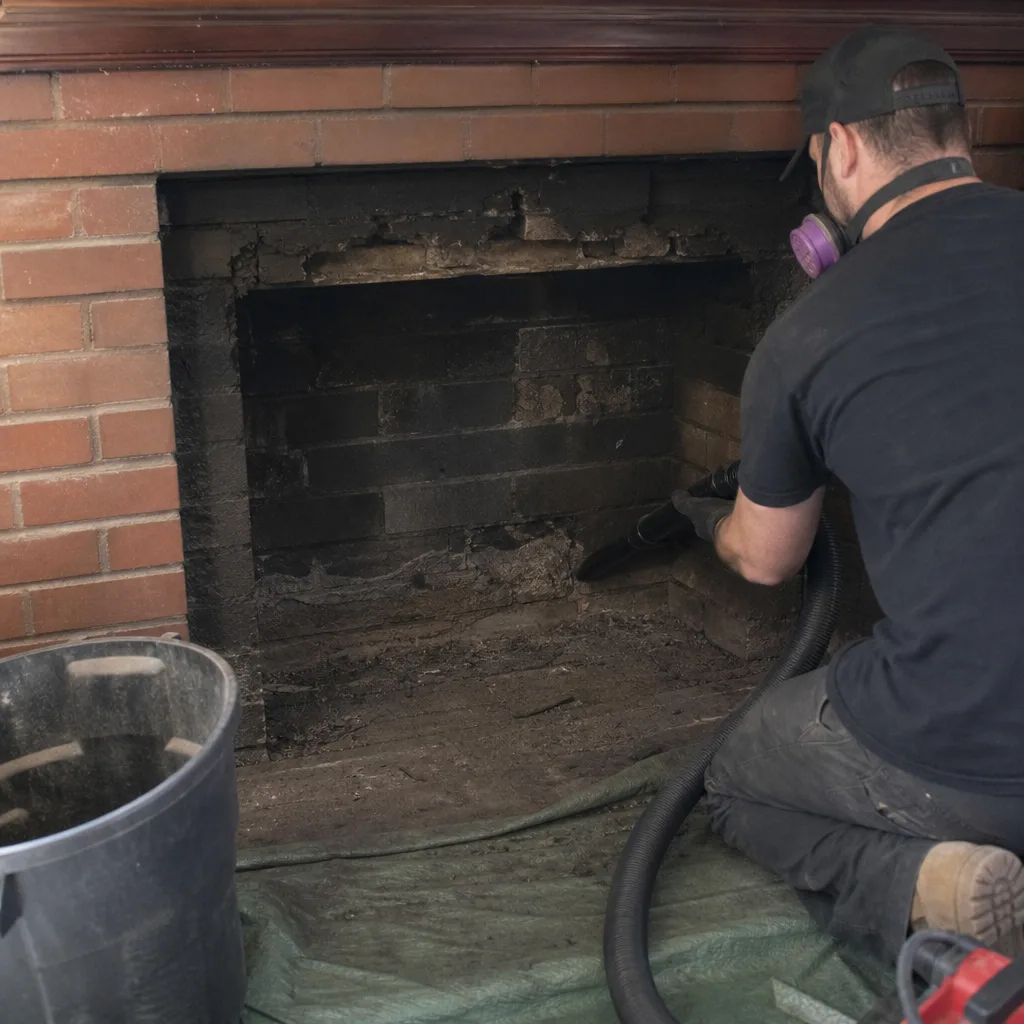 Before
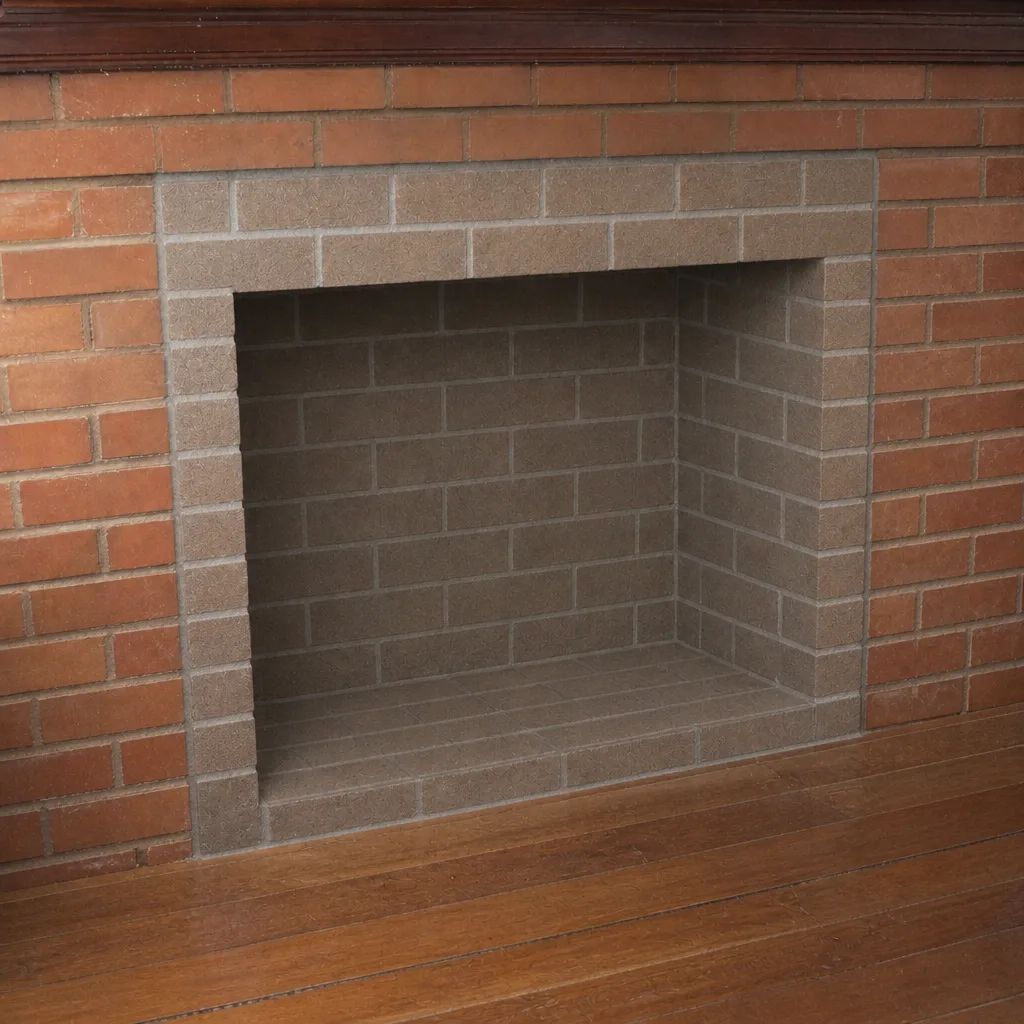 After
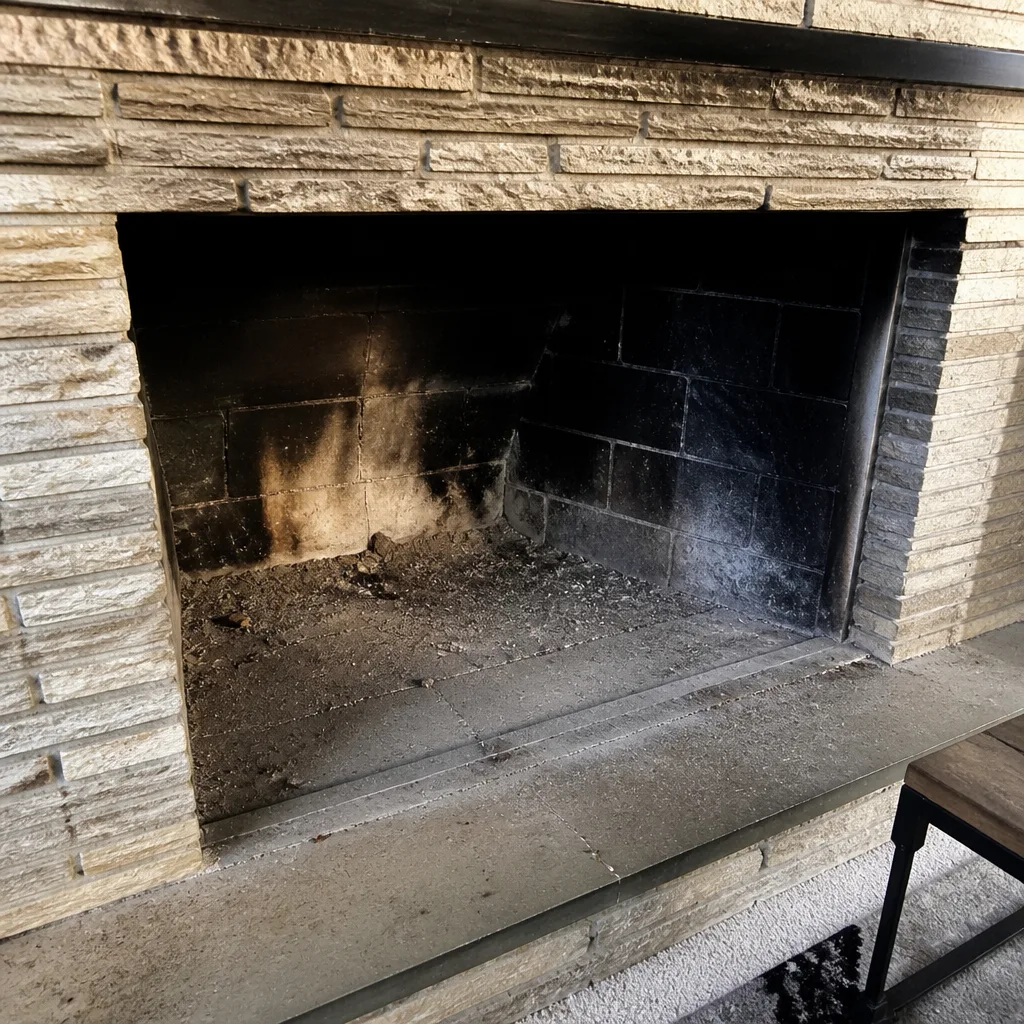 Before
 After
 Before
 After