
Last updated November 25, 2026
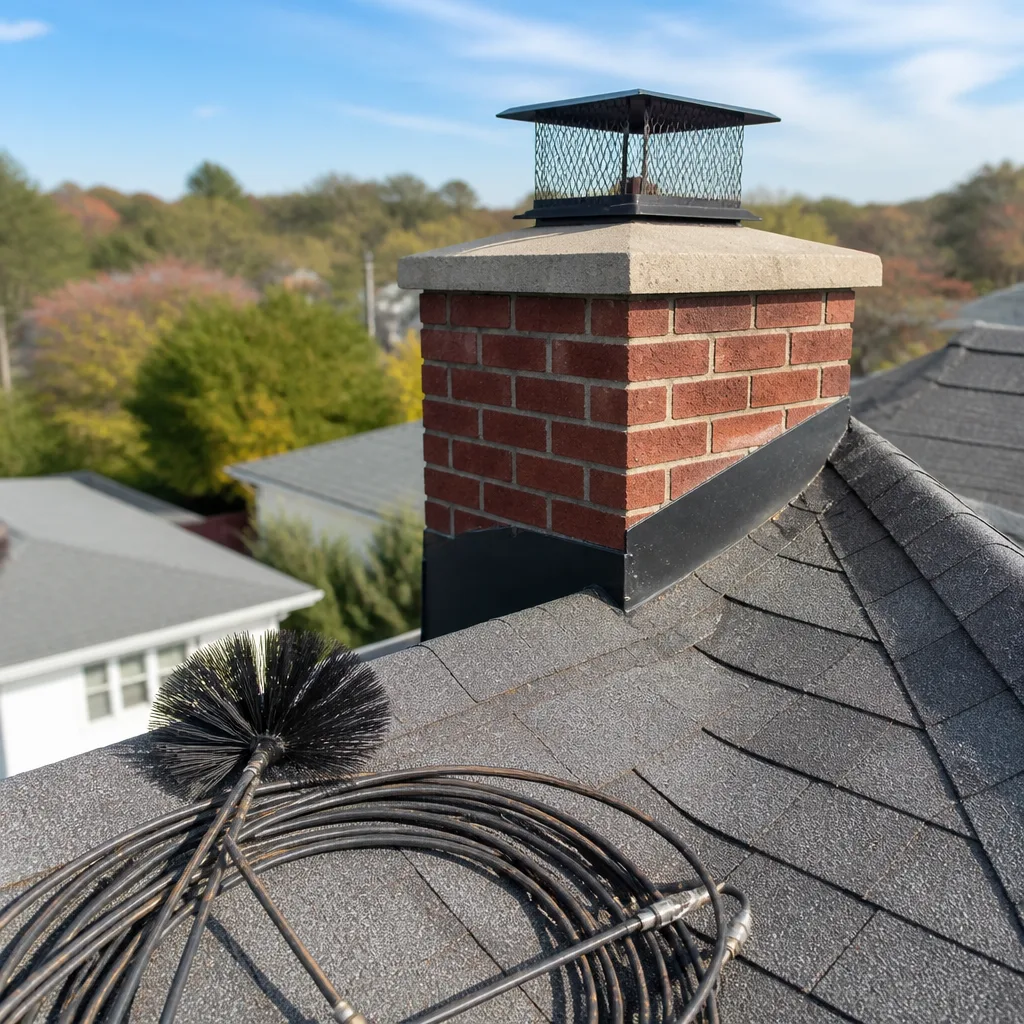 Sweep & inspection
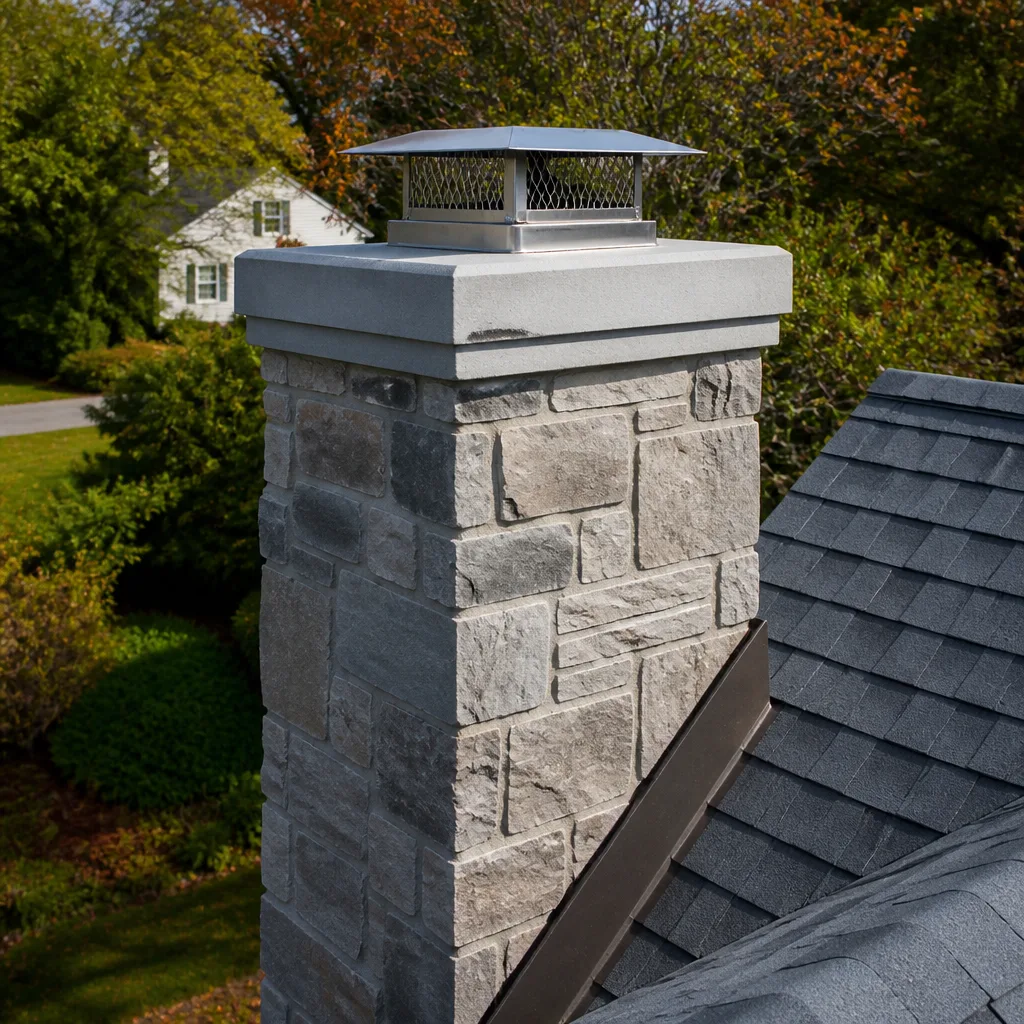 Caps & crowns
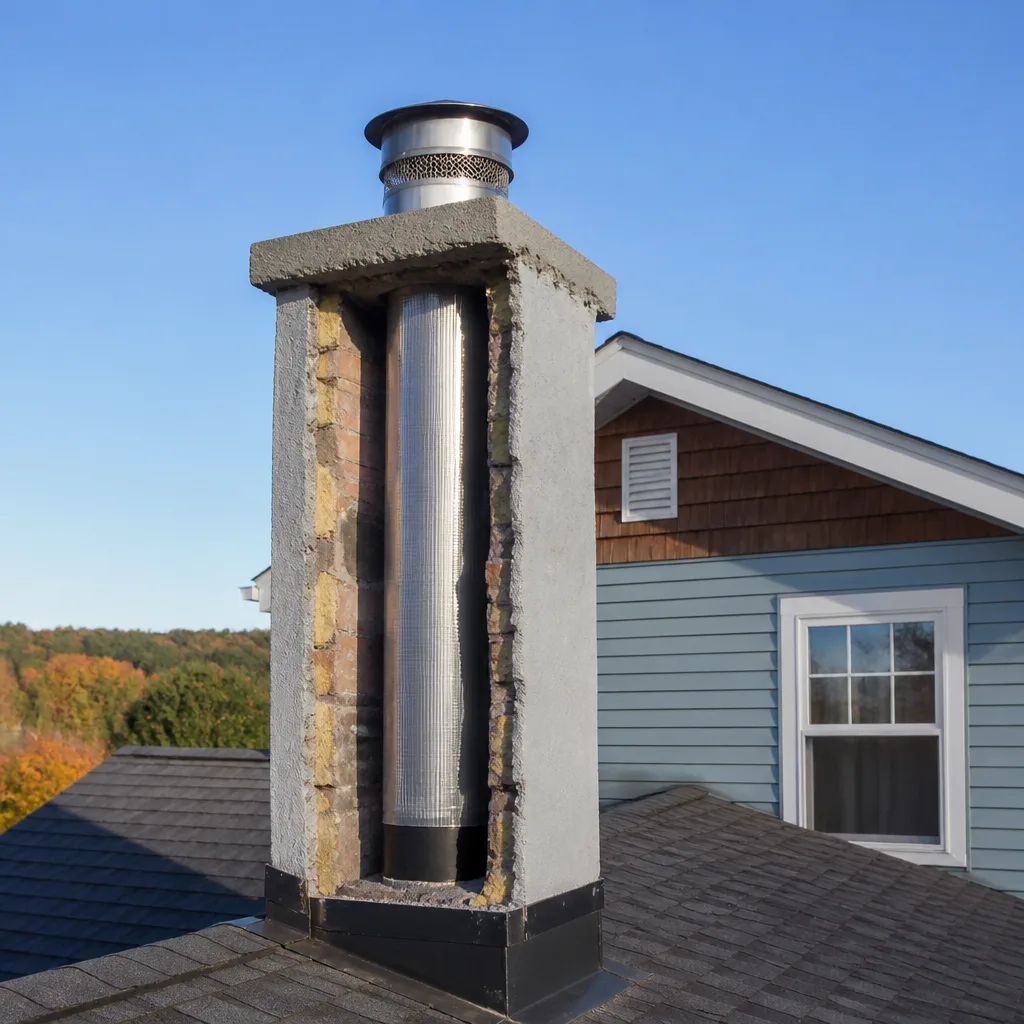 Flue relining
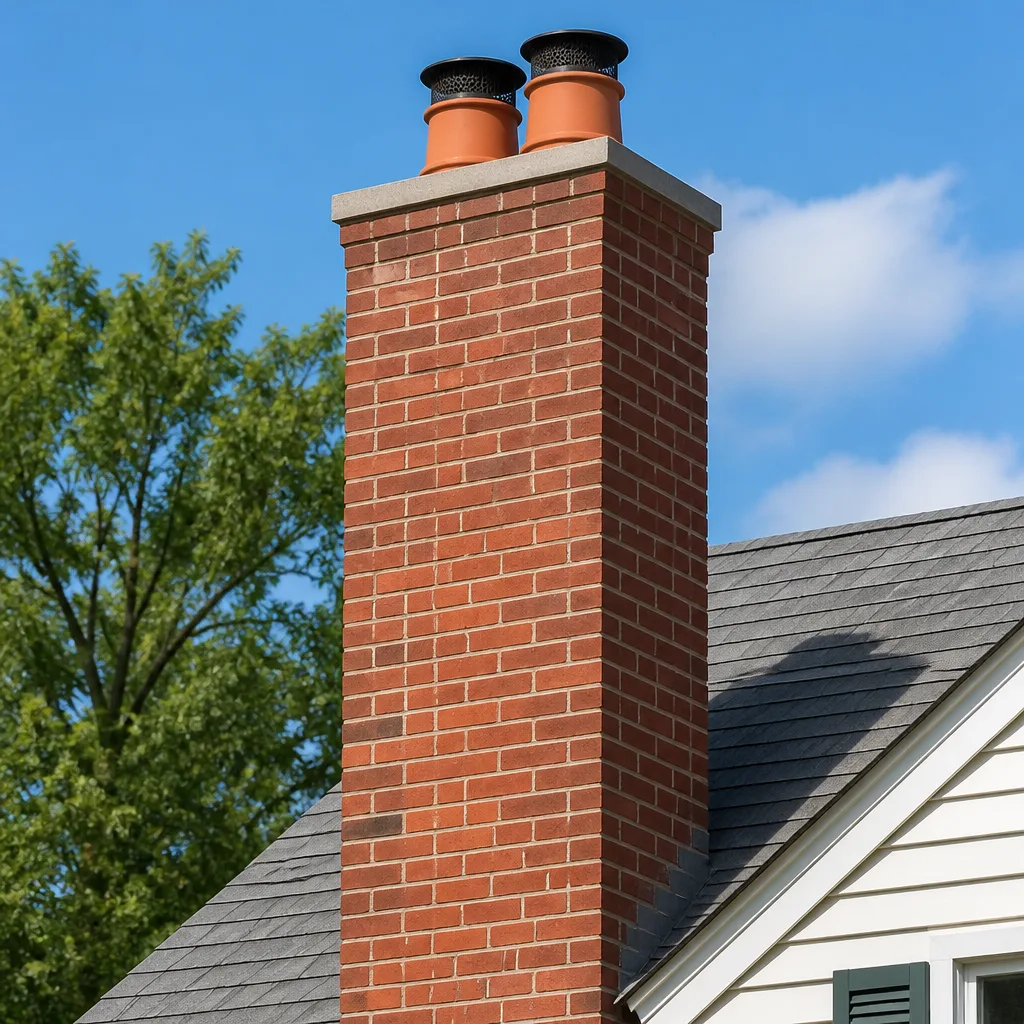 Masonry repair
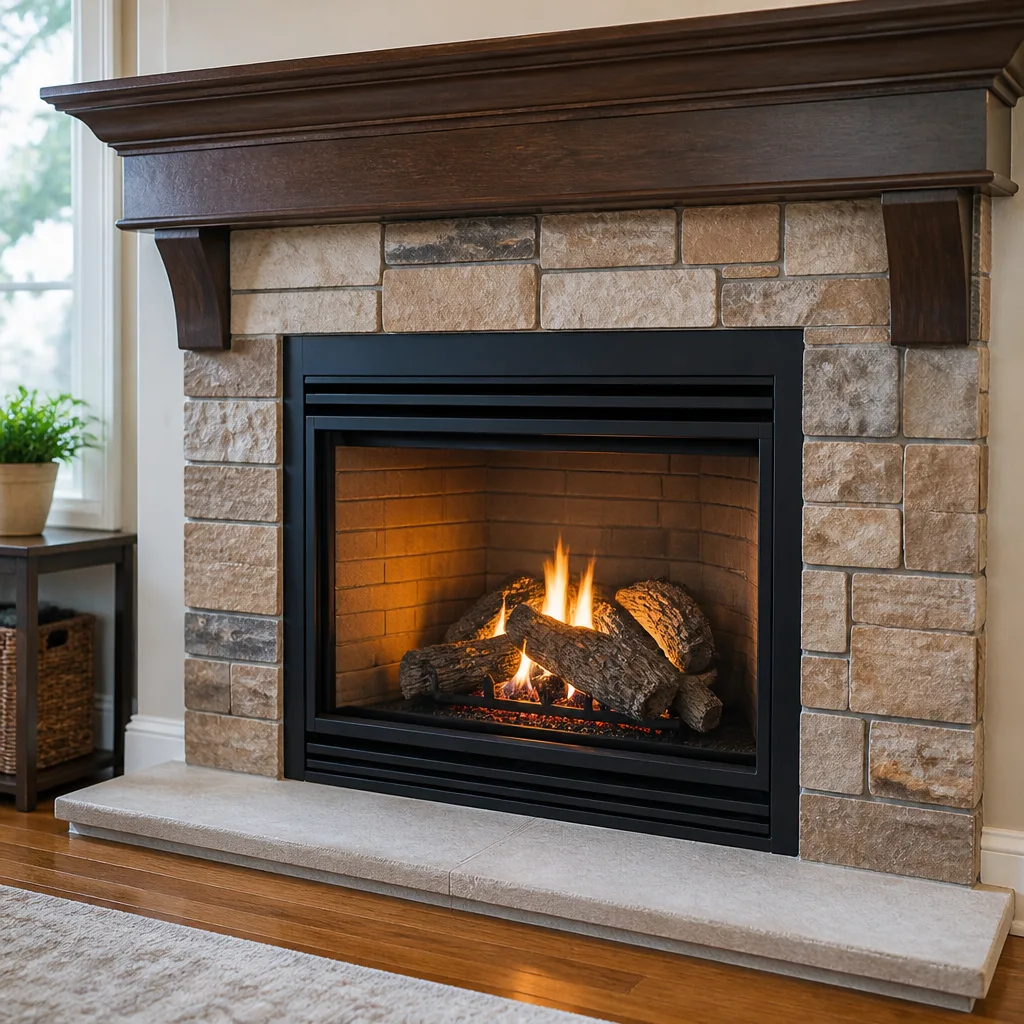 Gas fireplace service
Level 1 sweep and inspection to the NFPA 211 annual standard - flue, crown, cap, and flashing checked and photographed
Chimney sweep logs do not sweep chimneys. They loosen some creosote - which then falls where a brush and vacuum still have to collect it.
Chimney Sweep Troubleshooting in Auburn: Common Problems and How to Fix Them
A smoky living room after you light a fire feels like a draft problem, so most people reach for the damper first. In our experience, that’s often the wrong turn. The same symptoms can trace back to a debris blockage, a cracked liner, or negative air pressure in a tightly sealed home, and each one needs a completely different fix. Read the symptom wrong and you spend money on the wrong repair while a real fire hazard stays in place. This guide walks through how to read your chimney’s actual signals in Auburn, how our wet climate shapes the problems you’ll see, and which issues you can check yourself and which ones need a camera inspection.
Quick Answer
Most chimney troubleshooting starts with matching the symptom to its real cause: smoke rollout usually means a blockage, poor draft, or a closed damper; a creosote smell in warmer months points to buildup that needs a professional chimney sweep; slow draw is often a height, cap, or pressure issue; and water in the firebox nearly always traces to a failed cap or crown. Anything involving a liner crack, heavy creosote, or structural damage needs a camera inspection before you use the fireplace again. Auburn’s wet winters make moisture intrusion and freeze-thaw damage the most common hidden causes.
Styles & brands we work with
- Sweep & inspection
- Caps & crowns
- Flue relining
- Masonry repair
- Gas fireplace service
Table of Contents
- Why Reading Your Chimney’s Signals Matters
- The Symptom-to-Cause Matrix
- How Auburn’s Wet Climate Changes the Equation
- DIY-Observable Problems vs. Camera-Only Diagnosis
- Why a Liner Crack Is Not a Draft Problem
- Troubleshooting vs. Inspection: The NFPA 211 Levels
- The Top-Down Checklist: Cap, Crown, Flashing
- Common Mistakes to Avoid
- When to Call a Professional
Why Reading Your Chimney’s Signals Matters
A chimney is a system, not a pipe. It depends on four things working together: an open path for smoke, a sound liner to contain heat and gases, a cap and crown to keep weather out, and enough air pressure in the room to feed the draft. When one part fails, the symptom you notice may point at a different part entirely. That’s the core of troubleshooting a chimney correctly.
Picture a fire that burns but spills a little smoke every time you open the door. Some homeowners assume the flue is too short and start pricing an extension. More often, the draft is fine and the fire is simply starved of air because the house is sealed tight. Airtight windows, weatherstripping, and modern construction leave a wood-burning fire with nowhere to pull combustion air from. Cracking a nearby window during a test burn tells you a lot in five minutes.
Now picture a fireplace that smells like old campfire on a humid August day. That’s not a lingering draft issue. That smell is creosote, and its presence in warm, damp weather usually means a real buildup has formed on the flue walls and is releasing odor back down the chimney. Creosote is flammable, and it’s the fuel in most chimney fires.
Here’s the practical lesson for Auburn homeowners: don’t treat every symptom as “time for a sweep,” and don’t treat “time for a sweep” as the answer to every symptom. A sweep removes creosote and soot. It does not fix a cracked liner, a leaky crown, or a house that’s too tight for its fireplace. Finding the real cause first is what separates a one-visit fix from a string of repeat calls.
Our technicians have up to 9 years of experience reading these signals, and the pattern holds: the cheaper mistake is assuming too much, and the expensive mistake is assuming too little. This guide teaches you to tell the difference before anyone touches your chimney.
The Symptom-to-Cause Matrix
Start here. Match what you’re seeing to the likely cause, and you’ll know whether it’s a quick check or a call to a professional.
| Symptom | Likely Cause(s) | What to Do |
|---|---|---|
| Smoke rolls into the room when you light a fire | Closed damper, debris/animal nest blockage, negative pressure in a sealed home, cold flue | Check damper, test with a nearby window cracked; if it persists, book a diagnosis |
| Creosote smell in summer or on humid days | Buildup on flue walls releasing odor | Schedule a sweep before the heating season |
| Slow draft, lazy fire, smoke that won’t rise | Cap or flue-height issue, partial blockage, poor air supply, damaged liner | Camera inspection to see the flue interior |
| Water in the firebox or rust on the damper | Failed cap, cracked crown, failed flashing at the roofline | Top-down inspection of cap and crown |
| Crumbling brick or mortar on the exterior | Freeze-thaw spalling from moisture intrusion | Masonry and crown repair assessment |
| Strong chemical or burning smell with a gas fireplace | Improper venting or a venting component problem | Stop using it and call for inspection |
A few notes on reading this matrix. Smoke rollout is the most misunderstood symptom because it has the widest range of causes. If a quick damper check and a cracked window don’t solve it, the next step is a camera inspection, not another guess. The same is true for slow draft: there are at least four distinct causes, and only one of them is “needs a sweep.”
Water in the firebox is the one most homeowners can trace to the top of the chimney. If you can safely look at the roof from the ground and see a missing or dented cap, or a crown with visible cracks, you’ve likely found the source. That leads directly into the moisture problems Auburn sees more than most markets.
How Auburn’s Wet Climate Changes the Equation
Auburn sits in western Washington, where winter is wet and the freeze-thaw cycle is real. That combination produces a specific set of chimney problems that dry, inland markets rarely deal with, and it’s worth understanding because it changes what you should watch for.
Start with the crown, the sloped concrete or masonry top that sheds water away from the flue. When a crown develops a hairline crack, water gets in. In a dry climate that crack might sit dormant for years. In Auburn, the water freezes overnight, expands, and widens the crack the next season. That’s freeze-thaw spalling: brick faces flake off, mortar joints crumble, and the chimney’s structure slowly weakens from the top down.
Moisture intrusion shows up in a few ways homeowners notice before they understand the cause:
- Rust on the damper or firebox hardware
- White, chalky staining on exterior brick (efflorescence, a sign of water moving through masonry)
- A fireplace that smells damp even when it hasn’t rained recently
- Crumbling mortar joints on the exterior chimney
- Water pooling in the firebox after a heavy rain
The fix for most of this is a chimney cap and a sound crown. A good cap keeps rain, snow, and animals out of the flue. A properly sloped, sealed crown moves water off the top and away from the masonry. Together they address the single most common structural problem we diagnose in Auburn.
Our full-service approach means we handle chimney cap & crown work alongside the sweep and inspection, so you’re not calling three different trades for what’s really one system. Repairs use Copperfield and Gelco ventilation components where they’re the right fit for the job.
The other Auburn-specific factor is our damp climate’s effect on creosote. Creosote forms in any wood-burning chimney, but when a chimney stays cool and damp between burns, the deposit absorbs moisture and can glaze into a harder, denser layer. That’s why summer odor from creosote is a familiar complaint around here.
DIY-Observable Problems vs. Camera-Only Diagnosis
Some chimney problems you can identify without help. Others hide where no flashlight can reach. Knowing the difference keeps you safe and saves you from paying for a diagnosis you could do yourself.
What you can check yourself:
- Open the damper fully and confirm it moves freely and opens flat. A stuck or partially closed damper is the most common cause of smoke rollout.
- Look up the flue from the firebox with a flashlight. You can often spot an animal nest, leaves, or a heavy soot blockage near the top.
- From the ground, check whether your cap is present, intact, and firmly attached, and whether the crown has visible cracks.
- Do the window test: if a burn draws better with a nearby window cracked, you have a pressure problem, not necessarily a blockage.
- Look for water or rust in the firebox, which points to a cap or crown failure.
What needs a camera inspection:
- A suspected liner crack, gap, or partial collapse
- Glazed, hard creosote that a visual check can’t confirm
- Offsets or bends in the flue where the interior turns out of sight
- Slow draft with no visible cause
- Any chimney that has had a fire
The camera is what separates a good diagnosis from a guess. It lets a technician see the full length of the flue, including the hidden sections behind bends, and document the condition with photos you can look at yourself. Nothing gets recommended on your chimney without that evidence in front of you.
When your flue walls are damaged but structurally sound, HeatShield resurfacing can often restore them rather than requiring a full replacement. That’s a real cost difference, and it’s only possible because the camera found the problem first. For damaged liners that need replacement, we work with DuraFlex flexible liner systems.
Why a Liner Crack Is Not a Draft Problem
Here’s where reading the symptom wrong can actually be dangerous. A slow, lazy draft feels like a nuisance, and a cracked liner can cause a slow, lazy draft. But they are not the same risk, and treating a liner crack like a draft problem leaves a real hazard in place.
The liner is the layer inside your chimney that contains heat and combustion gases and keeps them away from the surrounding masonry and wood framing. When a crack develops, several things can happen:
- Carbon monoxide can escape into the structure or back into the home instead of going up the flue.
- Heat reaches the chimney’s masonry and framing, which can ignite nearby combustible material over time.
- The chimney loses the smooth path that draft depends on, so smoke performance gets worse.
Notice that poor draft is the least serious consequence. A draft problem wastes your time and coats your house in smoke. A liner crack risks your safety. The two can look identical from the firebox, which is exactly why a symptom-based guess isn’t good enough for this one.
There’s also a false sense of safety that comes with “it smokes a little but it still works.” A partially cracked liner can vent fine on a mild day and fail to contain gases once the fire burns hot. That’s why a camera inspection is the only honest way to tell a draft problem from a liner problem.
This is also where the industry’s habit of treating every call as a sweep leads people astray. A sweep cleans the flue. It does not tell you whether the liner behind the soot is intact. When a diagnosis points to liner damage, HeatShield restoration can often repair it from the inside without a full tear-out, and that work is a specialty service, not a standard sweep.
If you take nothing else from this guide, take this: any unexplained draft complaint deserves a camera look before you decide it’s just your chimney being temperamental.
Troubleshooting vs. Inspection: The NFPA 211 Levels
This distinction matters more than most homeowners realize, because it affects what you’re actually buying and how your insurance company will view your records. NFPA 211, the national standard for chimneys and vents, defines inspection levels, and they’re not the same as a troubleshooting visit.
Level 1 inspection: A visual check of the readily accessible parts of the chimney and venting system, done during routine service or when the appliance or fuel type hasn’t changed. This is the annual-checkup level.
Level 2 inspection: A more thorough evaluation that includes the accessible portions of the flue and a camera look at the interior. This is required after a chimney fire, after a change of appliance or fuel type, and typically after a property is sold. It’s the level insurance companies most often want documented.
Level 3 inspection: The most detailed, used when a Level 1 or 2 raises a concern that can only be settled by opening up parts of the chimney or framing.
A troubleshooting visit is diagnostic. It answers “why is this smoke behaving oddly?” A Level 2 inspection is a documented evaluation of the system’s condition, and it’s what you want on record if you’ve had a fire, changed your appliance, or need documentation for insurance or a property transaction.
Why does this matter for you? Because if you call for troubleshooting and later need to file a claim or satisfy an insurer’s inspection requirement, a diagnostic visit may not be the documented inspection they’re asking for. We offer a standalone chimney inspection at the level your situation calls for, separate from the sweep, so you’re not paying for the wrong service or missing documentation you’ll need later. That’s also why we keep the inspection separate from the sweep: a diagnosis should stand on its own, not exist as a lead-in to a sale.
Bottom line: know what you’re asking for. If it’s a symptom, you want troubleshooting. If it’s documentation, you want a proper inspection at the right level.
The Top-Down Checklist: Cap, Crown, Flashing
Water damage is the most common structural problem we see in Auburn, and nearly all of it enters from the top of the chimney. A quick top-down review of the three hardware pieces that protect that top catches the majority of it.
- Check the cap. Is it present, intact, and firmly attached? A missing or damaged cap lets rain, snow, and animals straight into the flue. It’s the simplest and cheapest fix on this list, and it prevents the most damage.
- Check the crown. Look for cracks, gaps where the crown meets the flue, or a crown that no longer slopes. A cracked crown lets water into the masonry below. This is where freeze-thaw starts.
- Check the flashing. The metal that seals where the chimney meets the roof is a common leak point, especially after harsh weather. Lifting or rusted flashing lets water run down the inside of the chimney chase.
All three work together. A sound cap and a cracked crown still send water into the masonry. A good crown with missing flashing still leaks at the roofline. Fixing them as a set is the correct approach, which is why our cap and crown work is a named service rather than an afterthought to the sweep.
One caution here: getting on a roof to inspect these pieces safely is a job for someone equipped and experienced in it. Roofs in western Washington get slick in the wet months. If you can’t see the top of the chimney safely from the ground, don’t climb onto the roof to check.
If the damage has already spread to the masonry itself, you’ll need structural repair, not just a replacement part. Our set of core services covers both, so a top-down check that turns up masonry damage doesn’t send you to a second contractor. From annual sweep to full liner restoration, the repair stays with one company that diagnosed the problem in the first place.
Common Mistakes to Avoid
- Assuming every smoke problem is a draft problem. Smoke rollout has a wide range of causes, and a liner crack is one of them. Camera inspection is the only way to rule it out.
- Treating a liner crack as a chimney to sweep. A sweep cleans soot. It doesn’t repair a damaged liner, and skipping the liner means living with an unaddressed carbon monoxide and fire risk.
- Ignoring the cap and crown because the fire “still works.” The fire working is not the same as the chimney being protected from Auburn’s wet weather. Moisture damage compounds quietly.
- Burning unseasoned or green wood to “clear out” the flue. Wet wood produces more creosote, not less. You want seasoned firewood, and you want the creosote it creates to be removed on a regular schedule.
- Booking a discount sweep before a diagnosis. If the problem is a structural one, a sweep fixes the wrong thing. Get the cause identified first.
- Confusing a troubleshooting visit with an inspection. If you’ve had a fire, changed your appliance, or need documentation for insurance, ask for a Level 2 inspection, not a diagnostic call.
- Climbing on the roof in wet weather to check the cap yourself. A slick roof is a fall hazard. A top-down inspection from a professional is safer and more thorough.
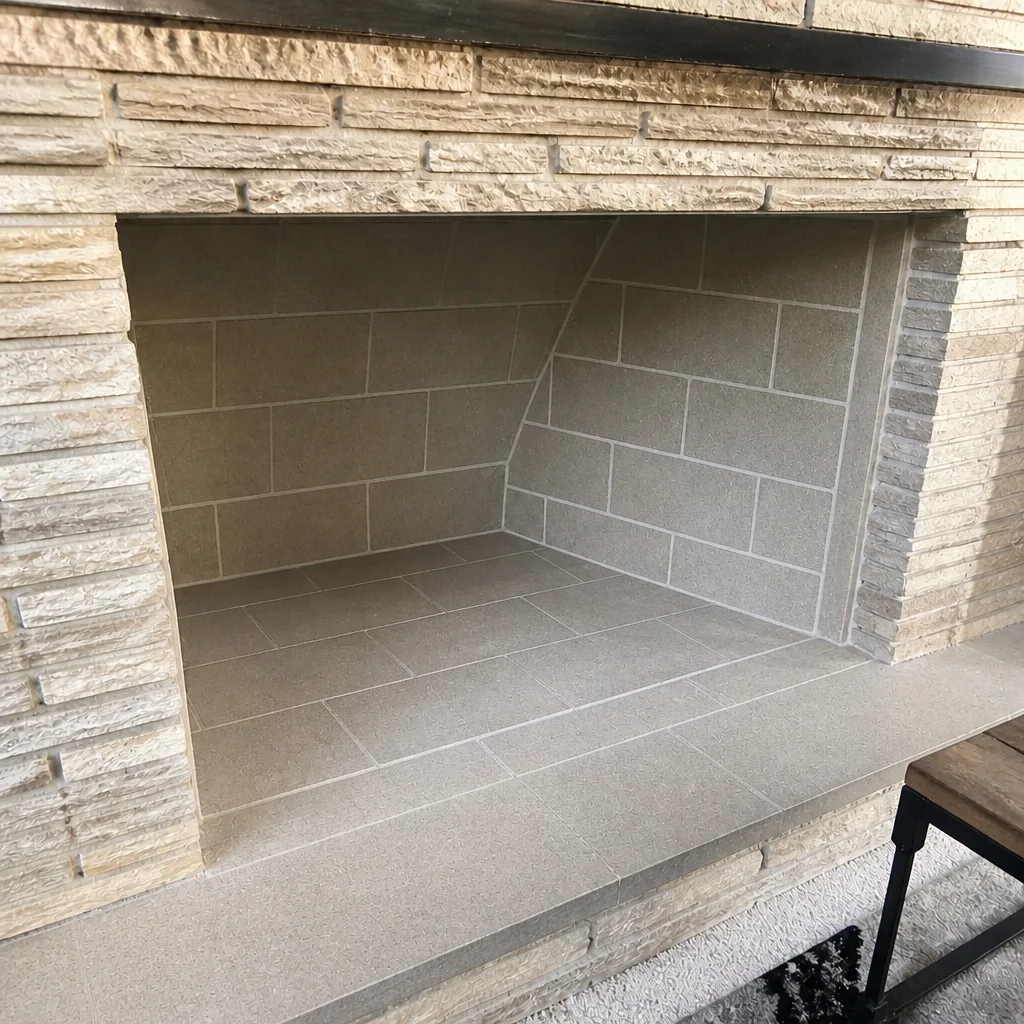
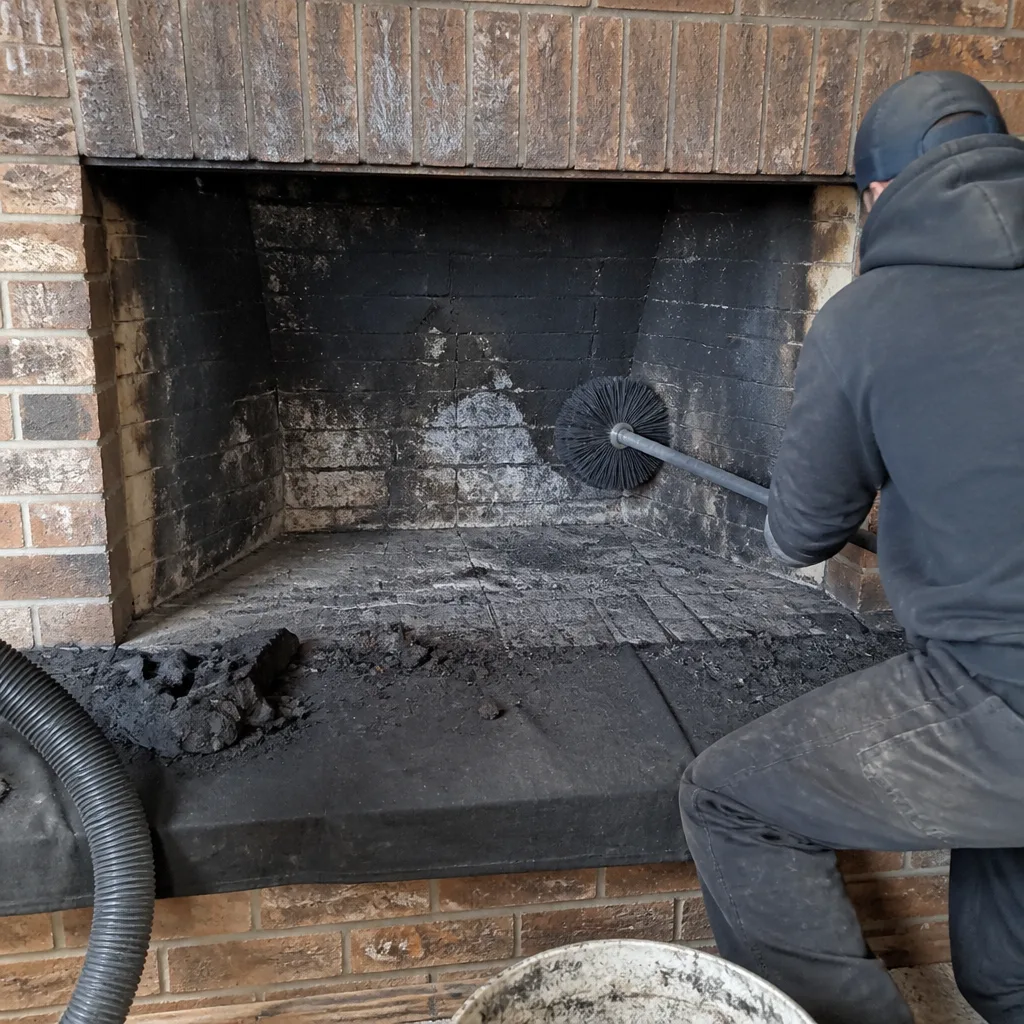
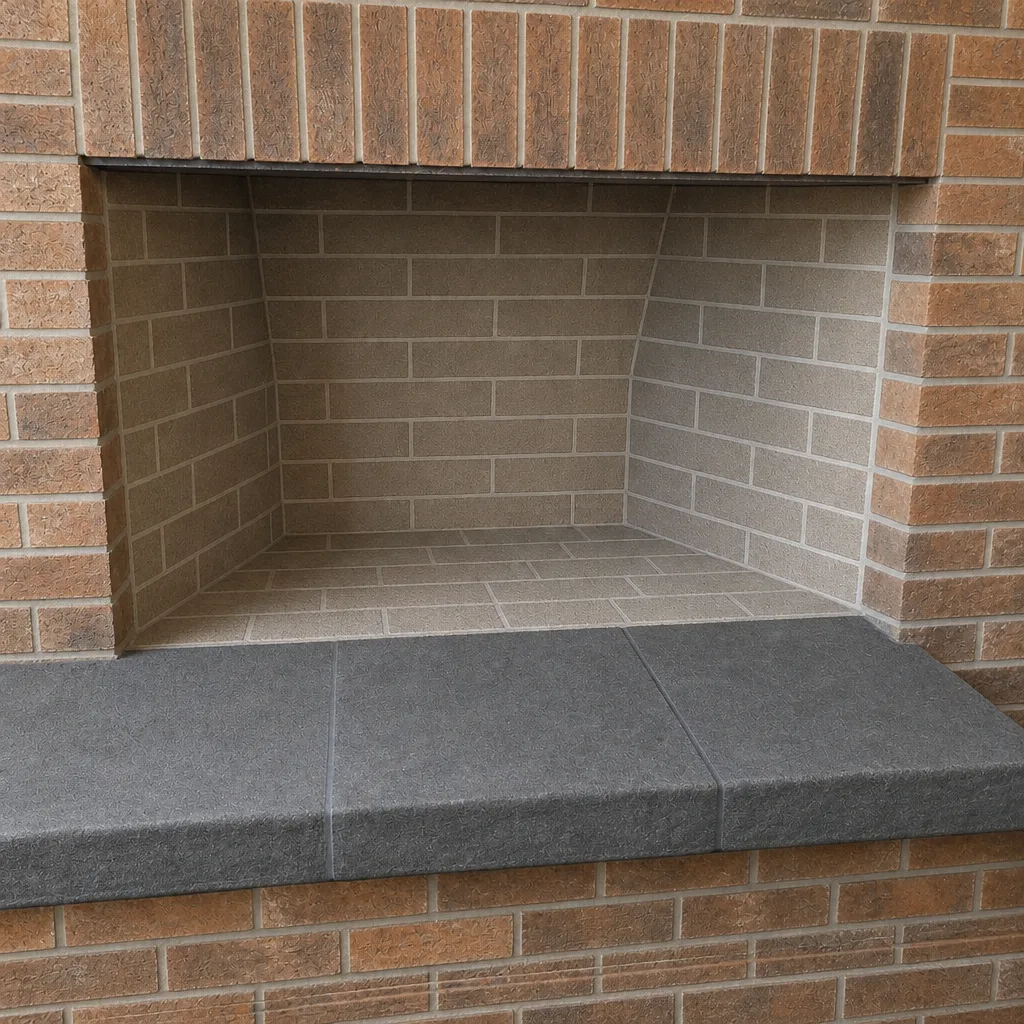
See the difference
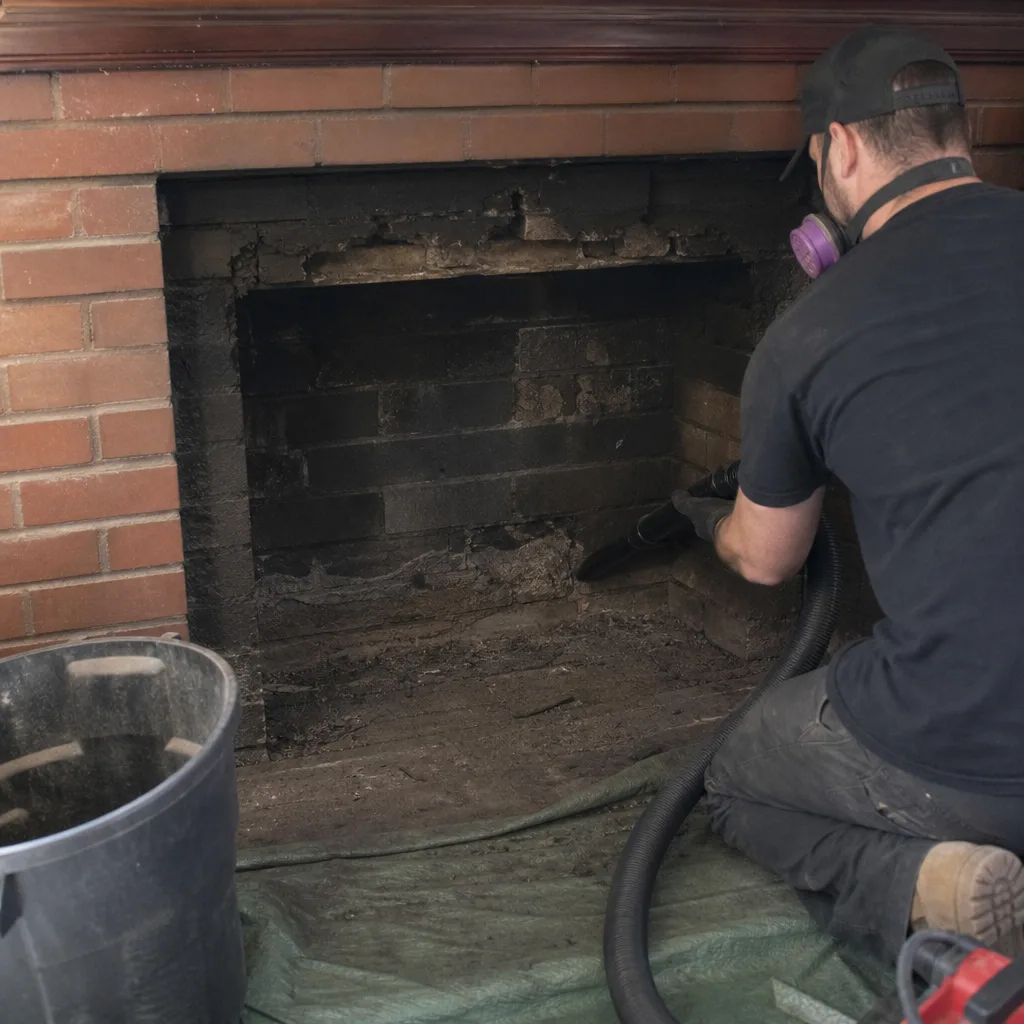 Before
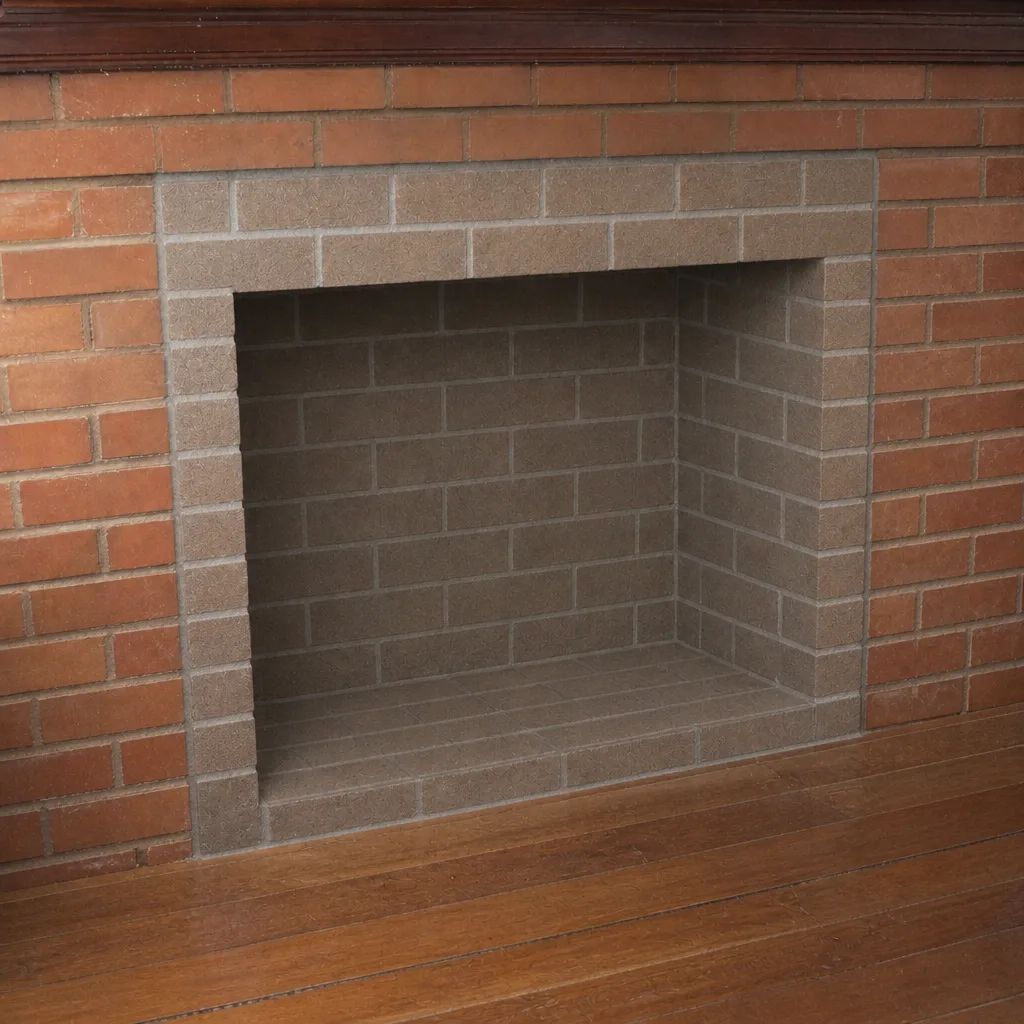 After
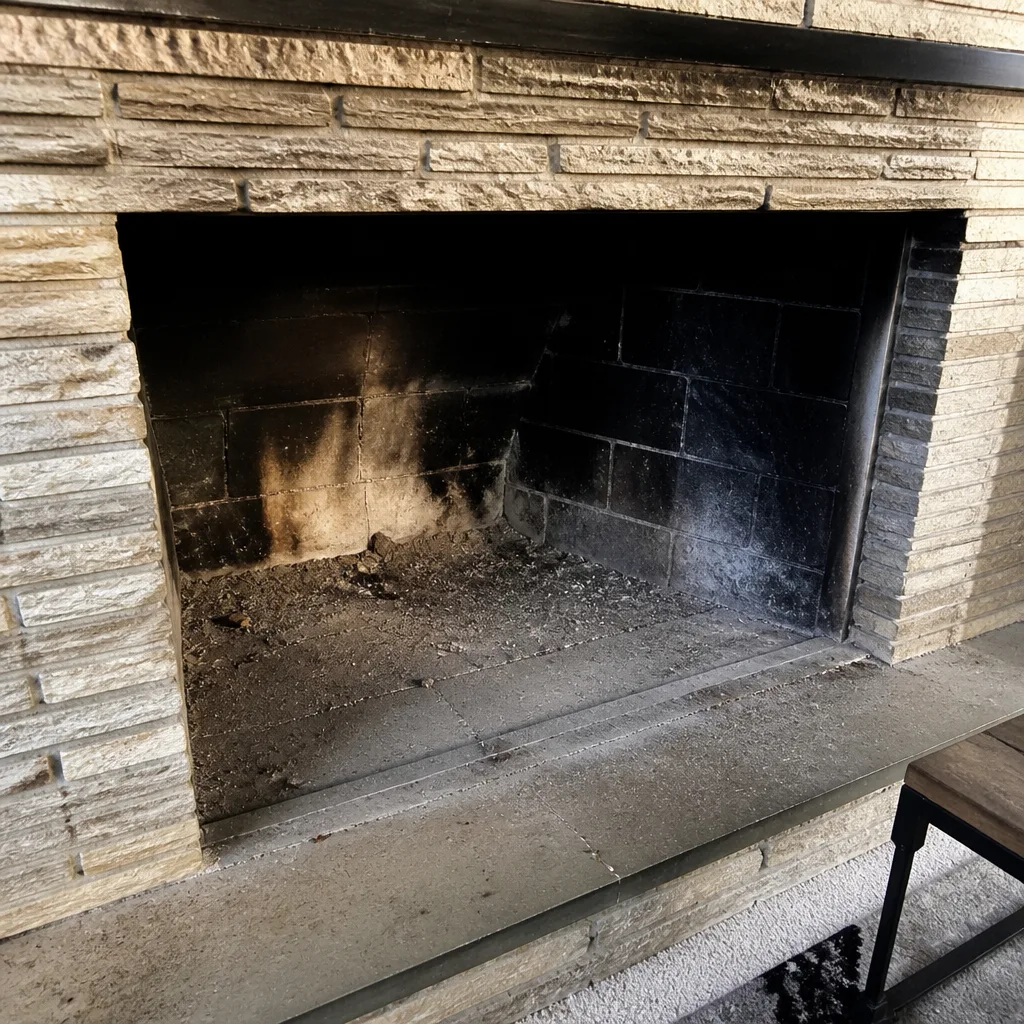 Before
 After
 Before
 After
When to Call a Professional
Call us when a symptom persists after the basic checks. If smoke still rolls out after you’ve opened the damper and tested with a window cracked, if you smell creosote in warm weather, if you see water or rust in the firebox, if there’s crumbling masonry or a damaged cap, or if your draft has gotten lazy for no obvious reason, it’s time for a camera diagnosis. Also call if you’ve had a chimney fire, even a small one, or if you’re buying or selling a home in Auburn and need a documented Level 2 inspection for your records.
Our technicians have up to 9 years of experience, and every inspection includes a camera view and photos so you can see what we see. A chimney that’s safe to burn in starts with an honest diagnosis. We offer a free estimate on any repair work and book a sweep with a flat price agreed before we begin.
Call (877) 492-4265. We answer 24/7. Fast dispatch from 7am to 7pm, Sunday through Friday.
Frequently Asked Questions
Smoke rollout usually means a closed or stuck damper, a blockage in the flue, negative air pressure in a tightly sealed home, or a cold flue. Start by opening the damper fully and testing with a nearby window cracked. If it persists, a camera inspection widens the search to liner and height issues. Call (877) 492-4265 to book a diagnosis.
Creosote smell in warm, humid weather usually means real buildup has formed on the flue walls and is releasing odor. That buildup is flammable and should be removed before the next heating season. Book a sweep before fall. Call (877) 492-4265 for an estimate.
You can’t tell for certain from the firebox, because the two produce similar symptoms. A camera inspection of the flue interior is the only reliable way to tell them apart. A draft problem is inconvenient; a crack is a real hazard. Call (877) 492-4265 to schedule the camera look.
Water in the firebox points to a failed cap, crown, or flashing, and if it’s been happening a while, it’s likely already damaging the masonry. Auburn’s wet winters make this a recurring issue. Have the top of the chimney inspected. Call (877) 492-4265 for a cap and crown assessment.
Troubleshooting is diagnostic: it answers why the chimney is misbehaving. An inspection, per NFPA 211 levels, is a documented evaluation, and a Level 2 is what insurers typically want after a chimney fire, an appliance change, or a property sale. If you need documentation, ask for the inspection level. Call (877) 492-4265 to discuss which one fits your situation.
Often, yes. When the liner is structurally sound but the walls are damaged, HeatShield resurfacing can restore them without a full tear-out. A camera inspection confirms whether your liner qualifies. Call (877) 492-4265 for a free estimate on the repair.
The Bottom Line
Most chimney problems that look like one thing turn out to be another, and the gap between the two is where homeowners waste money and miss hazards. Read your symptoms carefully: match the sign to the real cause, do the checks you can do safely, and let a camera settle anything that involves the flue interior. Treat a liner crack as a safety issue, not a draft nuisance. Keep the cap and crown sound against Auburn’s wet winters. And know whether you need troubleshooting or a documented inspection. If you’re unsure, call us. A straight diagnosis is the fastest route to a chimney that’s safe to burn in. From annual sweep to full liner restoration, we handle the whole system.
Call (877) 492-4265 for a free estimate. We answer 24/7. Fast dispatch from 7am to 7pm, Sunday through Friday.
Written by the team at Auburn Chimney Sweep Pros.