
Last updated November 25, 2026
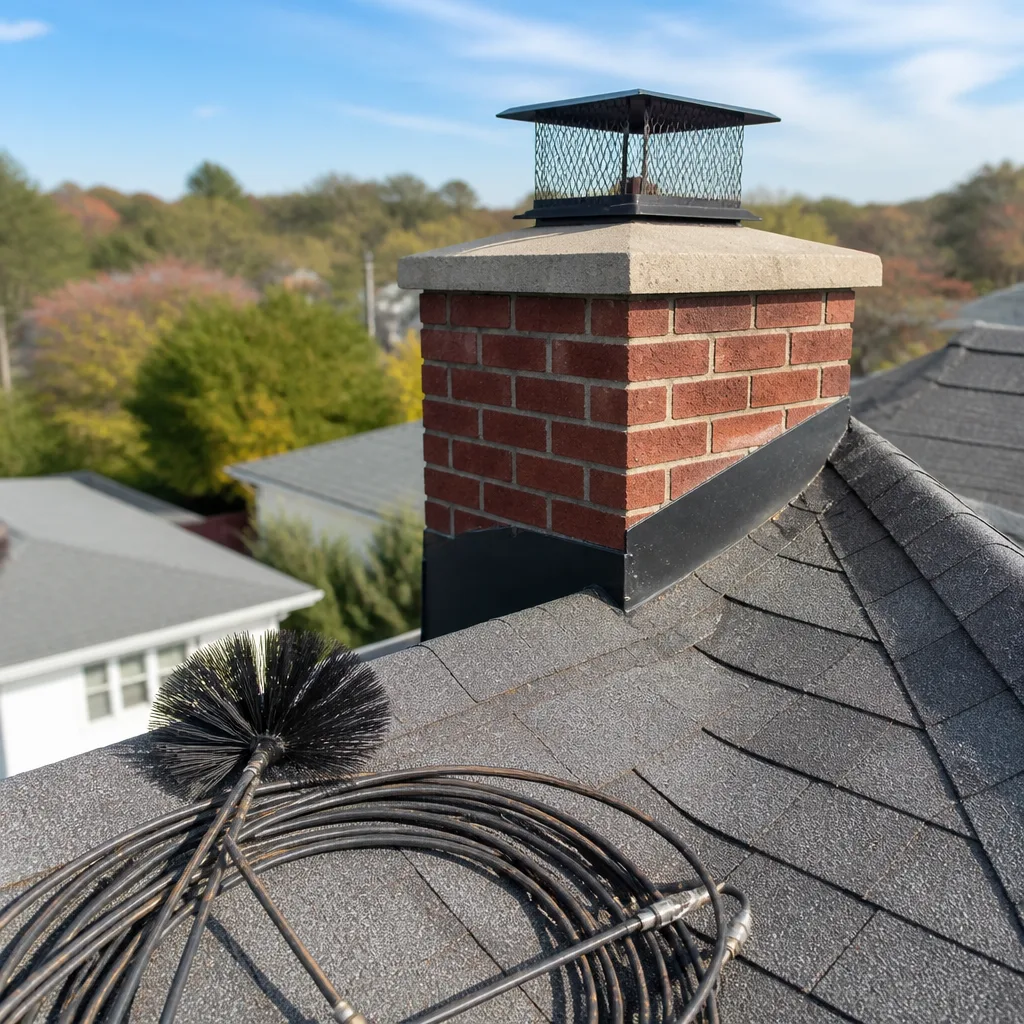 Sweep & inspection
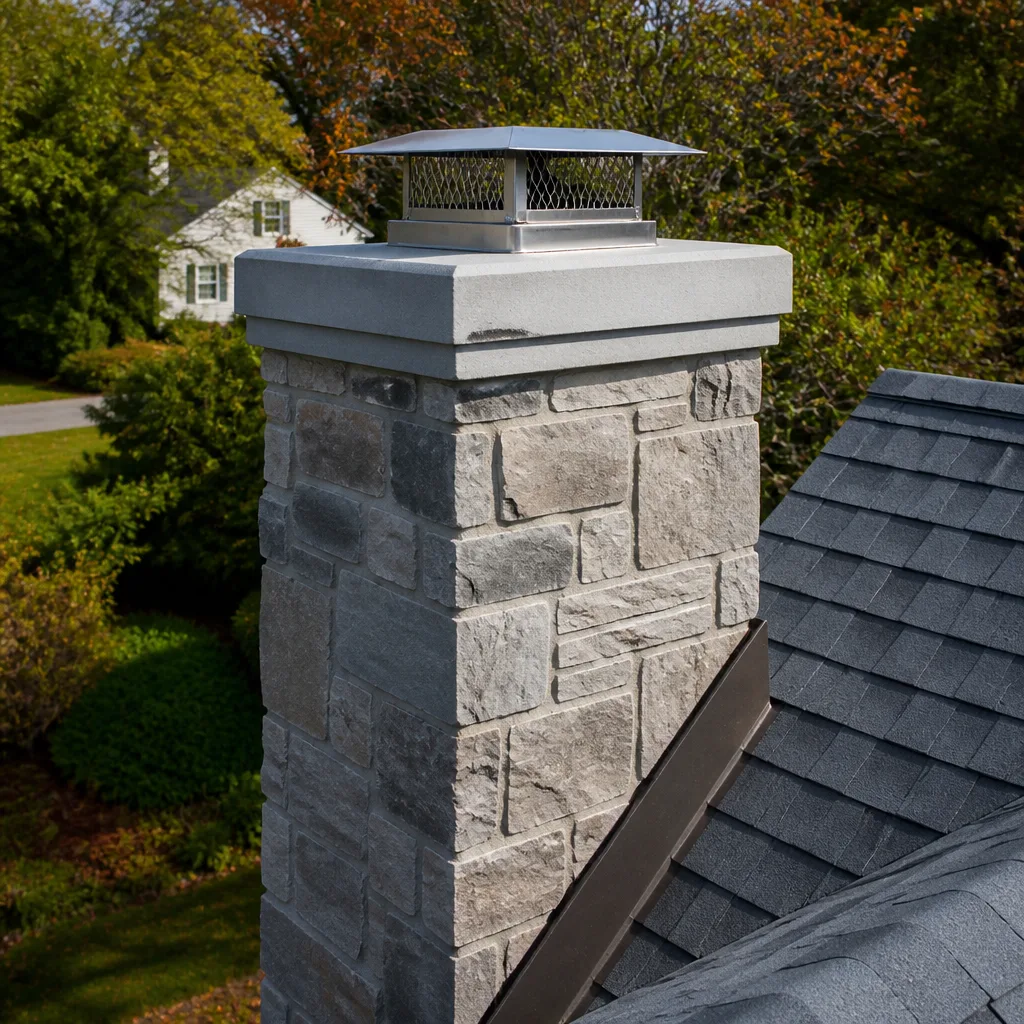 Caps & crowns
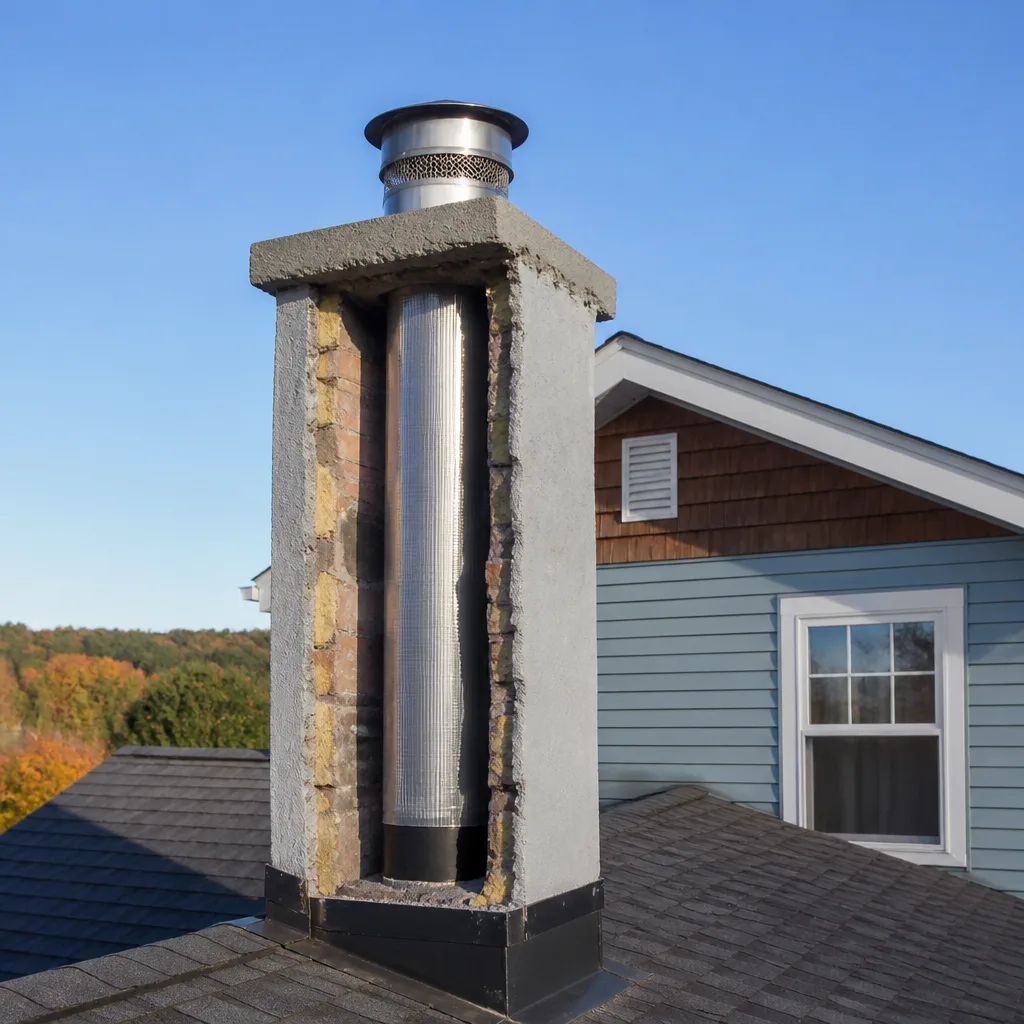 Flue relining
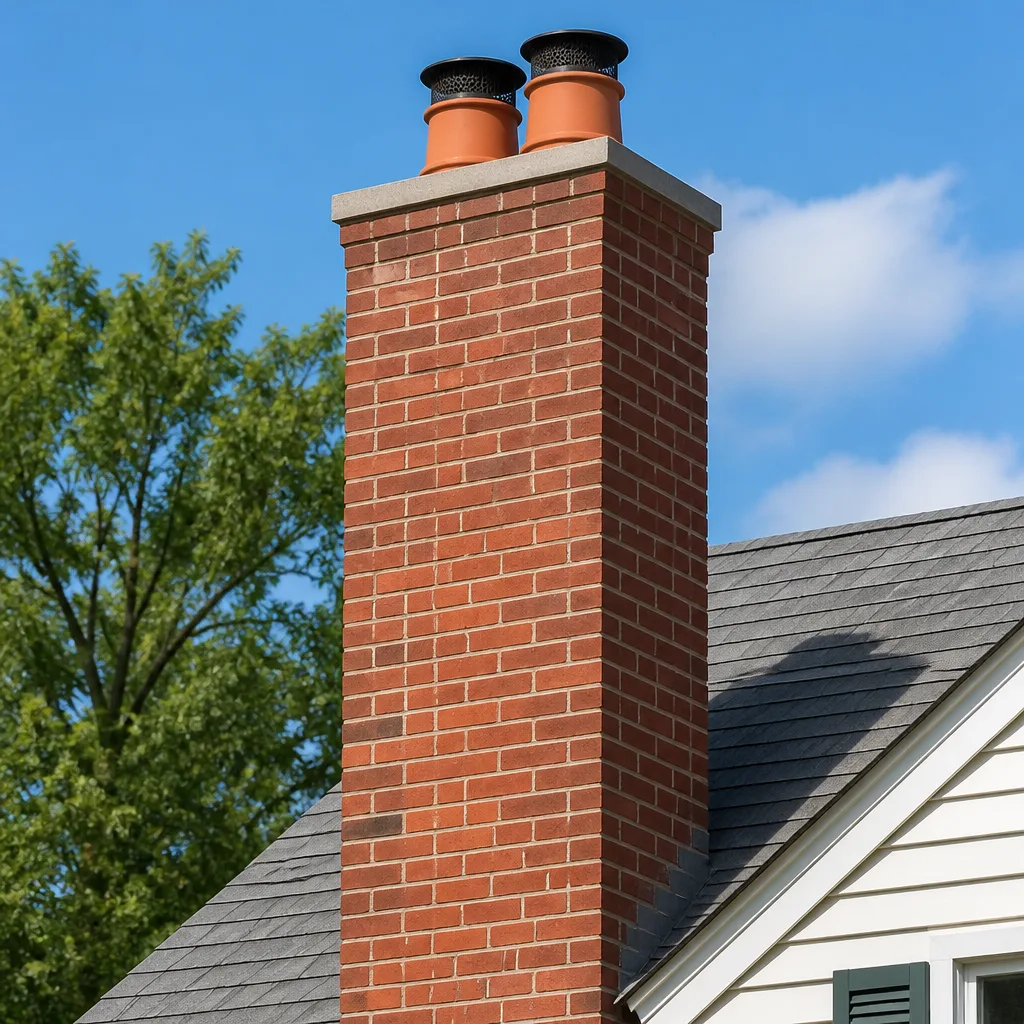 Masonry repair
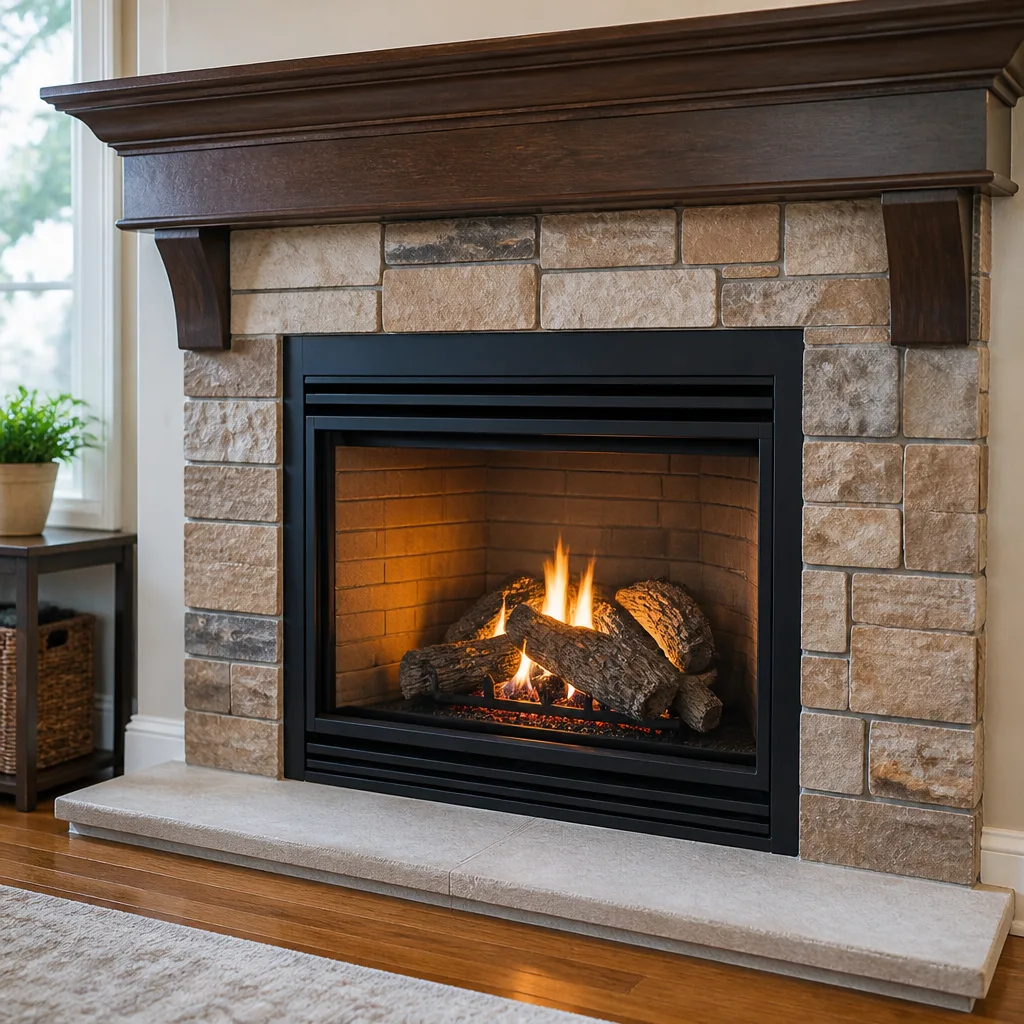 Gas fireplace service
Level 1 sweep and inspection to the NFPA 211 annual standard - flue, crown, cap, and flashing checked and photographed
Chimney sweep logs do not sweep chimneys. They loosen some creosote - which then falls where a brush and vacuum still have to collect it.
DIY vs Professional Chimney Cleaning: The Auburn Homeowner’s Decision Guide
Here’s the part the brush-and-vacuum crowd tends to leave out: sweeping a straight flue is the easy half of chimney maintenance, and it’s the half you can mostly learn from a video. The hard half is knowing what you’re looking at once the soot is gone. A homeowner with a set of consumer brushes can knock light creosote off the walls of a straight flue. What that same homeowner cannot do is see the hairline crack in a clay tile three feet above the smoke chamber, the one the creosote was quietly filling. That distinction, assessment versus cleaning, is what this guide is really about. By the end you’ll know which side of the line your Auburn chimney sits on.
Quick Answer
Professional chimney cleaning is the right call for most Auburn homes because the cleaning itself is only half the job; the inspection and diagnosis that come with it are what keep a chimney safe to burn in. DIY is defensible in a narrow set of cases, such as a clean-burning gas insert or light touch-up between documented annual sweeps. If your flue is lined with older clay tile, or your chimney hasn’t been professionally inspected in over three years, the risk of missing a defect is higher than any money you’ll save.
Styles & brands we work with
- Sweep & inspection
- Caps & crowns
- Flue relining
- Masonry repair
- Gas fireplace service
Table of Contents
- What DIY Chimney Cleaning Can Actually Accomplish
- What Requires a Camera and a Trained Eye
- When DIY Chimney Cleaning Is Defensible
- When DIY Chimney Cleaning Is Genuinely Risky
- How DIY Cleaning Can Mask Warning Signs
- Auburn Insurance and the Paper Trail After a Chimney Fire
- How a Professional Sweep Actually Works
- Why Auburn’s Climate and Housing Stock Matter
What DIY Chimney Cleaning Can Actually Accomplish
A homeowner working from the roof with consumer-grade brushes and a shop vacuum can manage a genuine but limited list of tasks. In a straight, unobstructed flue with light, dry soot and powdery creosote, a properly sized poly brush on a flexible rod can remove a lot of the buildup. Rods and brushes sized to the flue are the key; an undersized brush polishes the surface without cleaning it, and an oversized one can jam or damage tile. A vacuum with a fine filter keeps the living space from filling with soot.
What the same homeowner cannot do:
- Reach offsets, smoke shelves, or the smoke chamber above the damper, where creosote collects out of sight of any flashlight from below or above.
- See the interior surface of a flue once the brush passes. A mirror on a rod shows a few square inches at a time, poorly lit and at an awkward angle.
- Assess the condition of a clay tile liner, the mortar joints between tiles, or the crown at the top of the chimney, which is where most water intrusion starts.
- Burn-test glazed, third-degree creosote, which bonds to the tile like tar and does not come off with a brush at all. It needs chemical treatment or, in the worst case, relining.
- Document anything. A homeowner who sweeps their own chimney has no photos, no measurements, and no written record of the flue’s condition on the day.
None of this is a knock on homeowners. It’s simply the difference between owning a tool and owning the diagnostic equipment and interpretation that turn a cleaning into an assessment. When we handle a chimney sweep in Auburn, the brush run takes a fraction of the visit. The rest is looking, checking, and explaining.
What Requires a Camera and a Trained Eye
A Level 2 inspection is the industry standard for any chimney that’s changing hands, changing fuel type, or has experienced a chimney fire or a major event like a lightning strike or earthquake. It includes a video scan of the flue interior, and it’s the only way to see defects that a brush and flashlight cannot reveal. The camera goes where the eye can’t: past the smoke chamber, around an offset, up into the top of the flue where tile joints loosen and cracks open.
Here’s what the camera and a trained interpreter catch that a homeowner won’t:
- Hairline tile cracks that run along the length of a flue tile and open and close with heat. These admit carbon monoxide and hot gases into framing, and they’re invisible from the firebox.
- Failed or missing mortar joints between tiles, which allow the tiles to shift and separate.
- Gaps where the liner meets the top of the smoke chamber, a common origin of heat exposure to the structure above.
- Spalling and pitting on the face of tiles, the early stage of liner breakdown.
- Improper flue sizing relative to the appliance, which affects draft and creosote production.
- Creosote glazing that’s been hidden behind a soot layer and becomes visible only under a camera light.
- Crown and cap failures at the top, where water gets in before anything else does.
The interpretation matters as much as the camera. A trained technician reads a crack and knows whether it’s cosmetic surface crazing or a defect that warrants relining. In our experience, that judgment is where DIY truly ends and a professional begins. When we install or evaluate a chimney cap & crown, the same trained eye is doing the work at the top of your stack, where the majority of water intrusion originates.
When DIY Chimney Cleaning Is Defensible
There are real scenarios where a homeowner can safely handle some or all of the cleaning themselves. The common thread is that the chimney’s condition is already known and documented, and the homeowner is doing maintenance on a system that a professional has blessed. DIY is defensible in these cases:
- A clean-burning gas insert or direct-vent appliance. These produce very little creosote and often need far less frequent cleaning than a wood-burning fireplace. Annual inspection still matters, but the volume of work is small.
- Recent professional inspection with a documented clear liner. If a technician has scanned the flue within the past year and put in writing that the liner, crown, and cap are sound, light in-season touch-ups are a reasonable supplement.
- Supplemental maintenance between annual sweeps. A wood-burner on a heavy schedule may want to knock down light, powdery soot midway through the season. If the last camera scan was clear and you’re only removing dry soot from a straight run, that’s within reach of consumer equipment.
- A masonry chimney with a straight, accessible flue and no offsets. Fewer places for creosote to hide means less risk of missing something.
Even in these cases, we’d add one condition: the homeowner should still have the chimney inspected by a professional at least once a year. DIY cleaning is a supplement to that inspection, not a replacement for it. The annual inspection is the diagnostic layer, and it’s the part that matters most.
When DIY Chimney Cleaning Is Genuinely Risky
The calculation changes completely when the chimney’s history is unknown or its liner is at risk. In those situations, brushing the flue without a professional inspection is like changing the oil on a car whose engine light has been on for three years: you’re masking the symptom, not addressing the problem. DIY is genuinely risky in these cases:
- Older homes with clay tile liners. Clay tile is brittle, and it weathers with every heating cycle. Homes built before the widespread adoption of modern liner standards are far more likely to have cracked or spalled tiles. A homeowner sweeping that flue has no way to know whether a crack has opened since the last inspection.
- Homes with unknown burn history. If you’ve just bought the house or moved in recently, you don’t know how the previous owner burned. Wet wood, frequent low smoldering fires, and green wood all produce heavy glazed creosote that brushes won’t touch and that can look like a clean flue from below.
- Any chimney not professionally inspected in over three years. Three years is roughly the point at which deferred maintenance starts showing up in the camera scan. The odds of an issue that a homeowner can’t detect climb every year after that.
- Chimneys with known smoke-chamber problems or prior fires. A chimney that’s already shown signs of trouble is exactly the wrong one to self-clean.
- Chimneys with obstructions. Birds, squirrels, and raccoons are common in Auburn, and a nest in the flue is not something to dislodge from the roof with a brush. If an animal is present, you need a professional.
In each of these cases, the risk isn’t cosmetic; it’s structural and life-safety. A failed liner allows carbon monoxide into the living space. A cracked crown lets water into the masonry, which freezes and spalls. These are the outcomes a camera scan is designed to prevent, and they’re exactly the outcomes a homeowner can’t see with a flashlight.
How DIY Cleaning Can Mask Warning Signs
This is the part almost nobody talks about, and it’s the reason we think the DIY-versus-professional debate is usually framed wrong. DIY cleaning doesn’t just fail to assess the chimney; it can actively make the next assessment harder. Here’s how:
- Brush strokes redistribute glazed creosote. When third-degree glazed creosote is brushed, it doesn’t come off; it smears. The brush moves the shiny glaze around the flue and can deposit it over cracks that were previously visible. A professional camera scan done after a homeowner’s brush run may read a cleaner flue than it actually is.
- Crack patterns get hidden. A hairline crack that a technician would spot during a first-ever scan can be obscured by soot redistributed across the tile face. The scan is still valid, but the picture is less clear.
- Crown and cap damage gets overlooked. A homeowner focused on the flue interior often misses the top of the chimney entirely. Crown cracks, loose caps, and deteriorated mortar are the leading source of water intrusion, and they don’t announce themselves from inside the firebox.
- The record is lost. The first professional scan of a chimney is a baseline. If a homeowner has been self-cleaning for years, that baseline can’t be reconstructed. The history of the flue is gone.
None of this means a homeowner who’s swept their own chimney has done damage. It means the next professional assessment gets harder, and a technician working from a smeared flue may recommend further evaluation that would’ve been obvious on a clean scan. It cuts both ways, which is why we recommend scheduling the first professional inspection before starting DIY maintenance, not after.
Auburn Insurance and the Paper Trail After a Chimney Fire
A chimney fire is a reportable event on most homeowner policies, and the documentation an insurer asks for after one can be considerable. In our experience working with Auburn homeowners, the usual request is a written inspection report from a qualified professional, often with photos, describing the chimney’s pre-fire condition. If a homeowner has been doing their own cleaning, they may not have any of that. What they typically have is a receipt for brushes.
Here’s the practical question: does a record of DIY cleaning satisfy an insurer’s documentation standard? Often, no. A homeowner’s self-cleaning log isn’t a substitute for a professional inspection report prepared by a qualified technician, and a claim adjuster may decline to treat it as evidence of the chimney’s prior condition. That can complicate a claim in ways that have nothing to do with the fire itself.
Two things follow from this:
- The documentation from an annual professional inspection is worth having regardless of whether you ever need it. It’s the paper trail that answers the insurer’s questions if a fire occurs.
- An inspection is available as a standalone service here, which means a homeowner can get the report without committing to a sweep or any other work. A diagnostic visit that produces a written record and photos is useful even if you continue some maintenance yourself.
We’d stop short of telling anyone what their specific policy requires; that’s a conversation with their insurer. But the general shape of the ask is consistent: a professional’s written account of the chimney’s condition. That’s one of the strongest practical arguments for at least an annual professional inspection.
How a Professional Sweep Actually Works
A professional chimney sweep is a multi-step process, not a brush-and-done task. Here’s what a typical visit involves:
- Setup and containment. Drop cloths, a HEPA vacuum, and containment barriers keep soot out of the living space.
- Firebox and damper check. The appliance, firebox, and damper are examined for obvious damage and proper operation.
- Flue cleaning. The appropriate brush and rod system is used based on the flue’s size and lining material. Glazed creosote may require chemical treatment or mechanical removal with specialized tools.
- Smoke chamber and shelf cleaning. The area above the damper and below the flue is cleaned, a common creosote trap that consumer equipment can’t reach.
- Level 1 or Level 2 inspection. A visual inspection from accessible points, or a camera scan of the flue interior when the conditions call for it.
- Cap and crown inspection. The top of the chimney is examined for cracks, loose mortar, and a properly fitted cap.
- Written report and discussion. The findings are documented and discussed with the homeowner, including what was found and whether anything warrants scheduling.
Inside that process is a full-service scope that a homeowner can’t replicate: inspection, cleaning, cap and crown work, liner repair, and structural fireplace repair under one company. When we install a DuraFlex flexible liner or resurface an existing clay tile with HeatShield, we’re working from the same diagnostic foundation. The fireplace repair side of our work often begins with a finding from a sweep or inspection that a fireplace component has failed. The materials matter too. We work with a professional-grade supply stack that includes Gelco and Olympia Chimney, so the parts that go into the chimney are rated for the job rather than whatever was cheapest at the hardware store.
HeatShield resurfacing deserves a mention here because it changes the repair calculus for older homes. Where a clay tile liner is damaged but not structurally failed, HeatShield can restore the interior surface rather than require a full liner replacement. That’s a cost-effective alternative for a lot of Auburn homes with clay tile flues, and it’s the kind of judgment call that a trained technician is positioned to make and a homeowner is not.
Why Auburn’s Climate and Housing Stock Matter
Auburn sits in western Washington’s marine-influenced climate, which means mild, wet winters and enough freeze-thaw cycles to stress masonry. The pattern that matters most for chimneys is wet-then-cold: rain soaks the masonry, then a freezing night expands the water in the pores and cracks it. A sound crown and a properly fitted cap are the front line against this, and they’re exactly the components a homeowner-focused DIY cleaning tends to overlook. That’s part of why we treat cap and crown work as a named service, not an afterthought.
Auburn’s housing stock varies from older single-family homes to newer construction, and the age of the home is one of the strongest predictors of liner condition. Older homes are far more likely to have a clay tile liner with unknown burn history, and those are the flues where a camera scan is most valuable. Newer homes often have better liner materials but can still have draft or sizing issues that only show up under load.
Burn habits matter everywhere in Auburn. Wet firewood, frequent low smoldering fires, and unseasoned wood all produce heavy creosote, and creosote accumulation is faster in a cool, damp climate than many homeowners expect. A chimney that was swept last year can still accumulate meaningful creosote in a single season of heavy burning. That’s why the annual sweep and inspection cycle exists, and why we can’t recommend a fixed interval for everyone.
The bottom line on this: whether DIY is a reasonable option for a specific Auburn chimney depends on things a homeowner can’t easily know without a professional scan. The climate and housing stock push toward the more conservative answer.
Common Mistakes to Avoid
- Cleaning before inspecting. If the first thing you do to a chimney is brush it, you’ve destroyed the baseline a technician would have used to document its condition. The inspection should come first, especially in a home you’ve recently purchased.
- Assuming a clean-looking firebox means a clean flue. Most of the creosote collects out of sight, in the smoke chamber and upper flue. A tidy firebox is not evidence of a clean chimney.
- Ignoring the cap and crown. Water intrusion through a failed crown is the leading source of masonry deterioration, and it doesn’t show up inside the firebox. A cap that’s loose or missing is a problem worth addressing before the next wet season.
- Using the wrong brush size. An undersized brush polishes without cleaning, and an oversized one can chip tile. The brush must match the flue, which is one reason to have a professional assess the flue’s size first.
- Burning wet wood to clear creosote. Wet, green, or unseasoned wood increases creosote production rather than reducing it. The moisture has to boil off before the wood burns properly, which cools the flue and deposits more creosote.
- Treating a DIY sweep as a substitute for a Level 2 inspection. The video scan is a separate step with a separate purpose, and it’s the only way to see cracks, spalling, and joint failures inside the flue.
- Assuming a newer home doesn’t need inspection. Newer construction can still have liner or draft problems, and the first few years of burning reveal issues that weren’t visible at install.
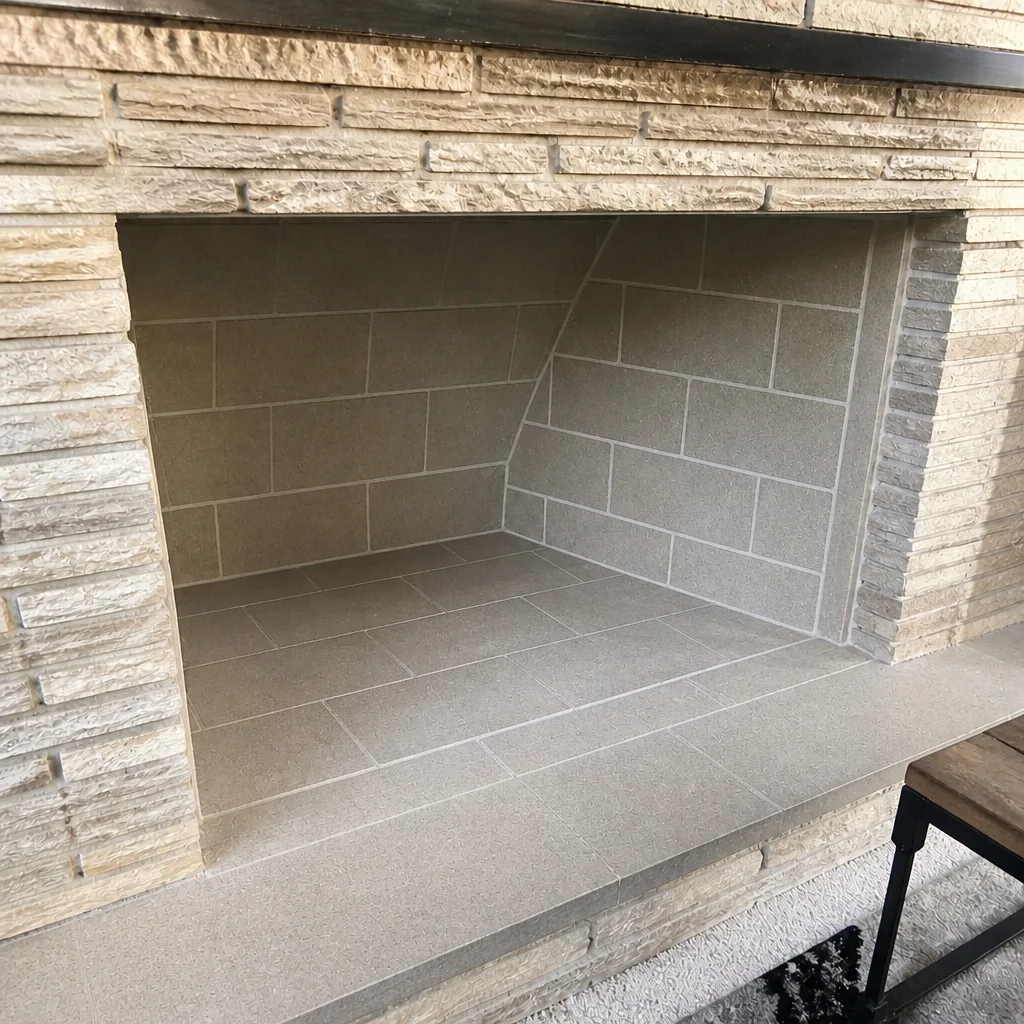
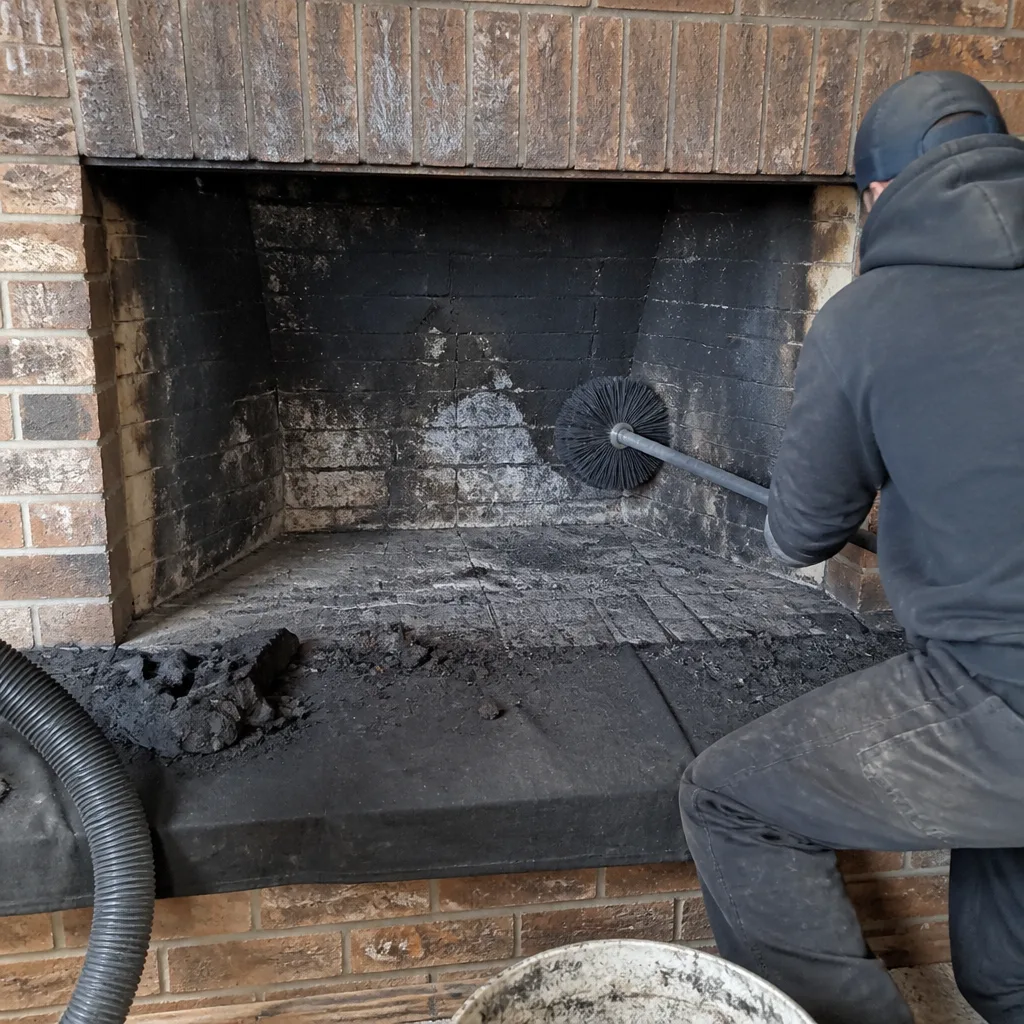
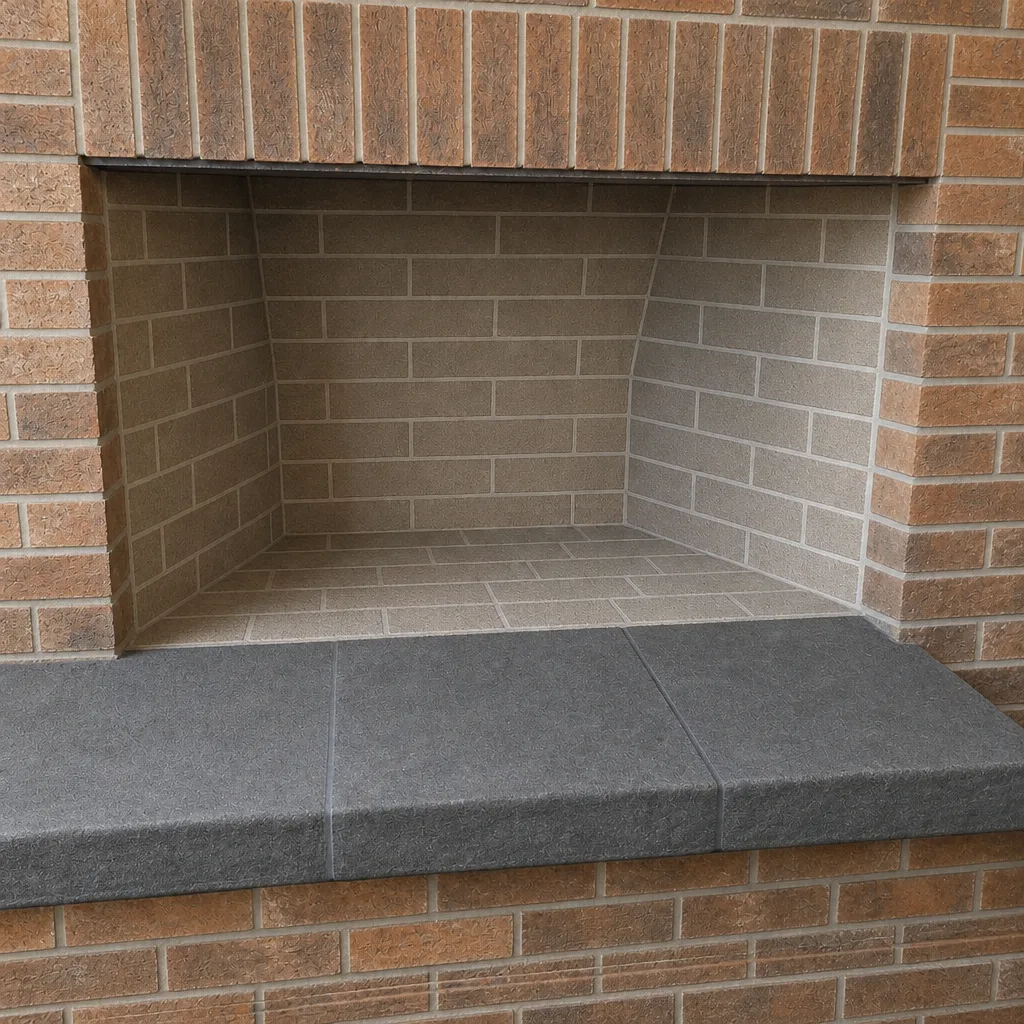
See the difference
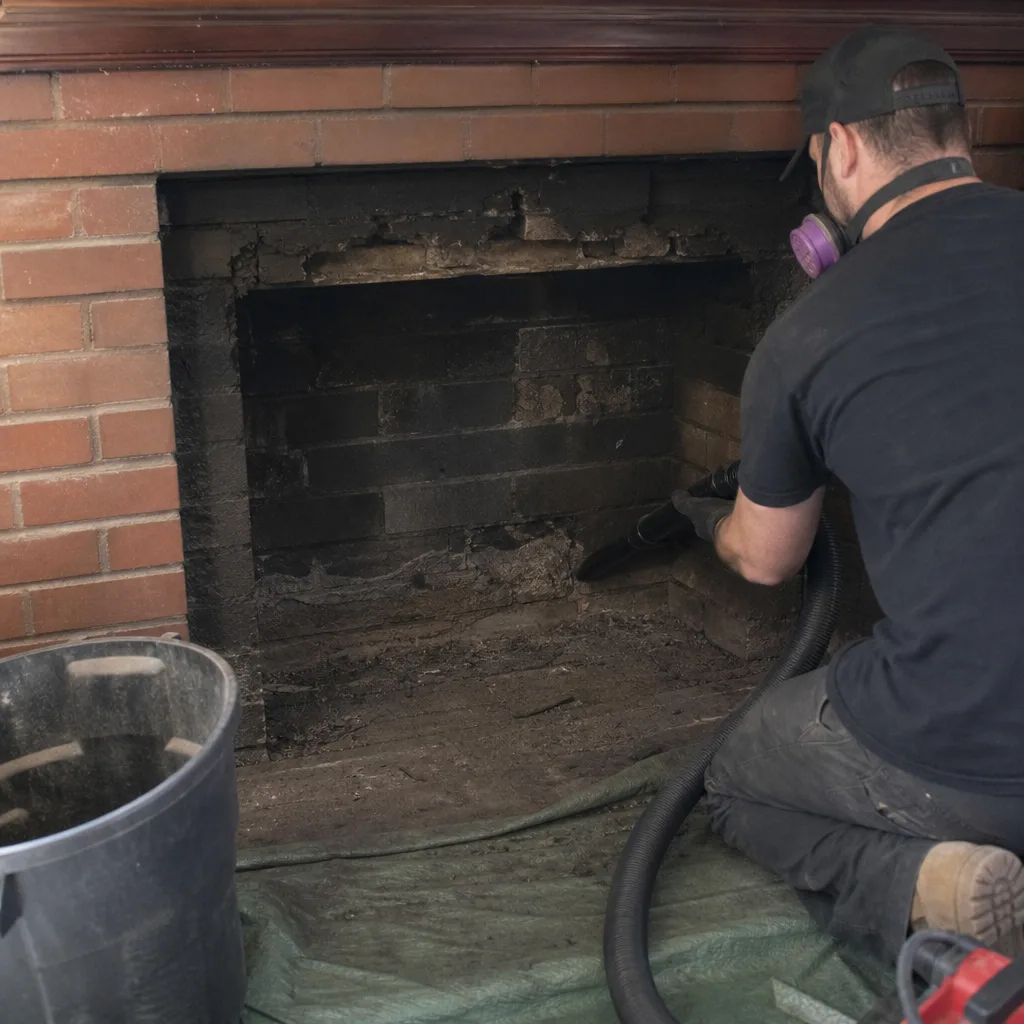 Before
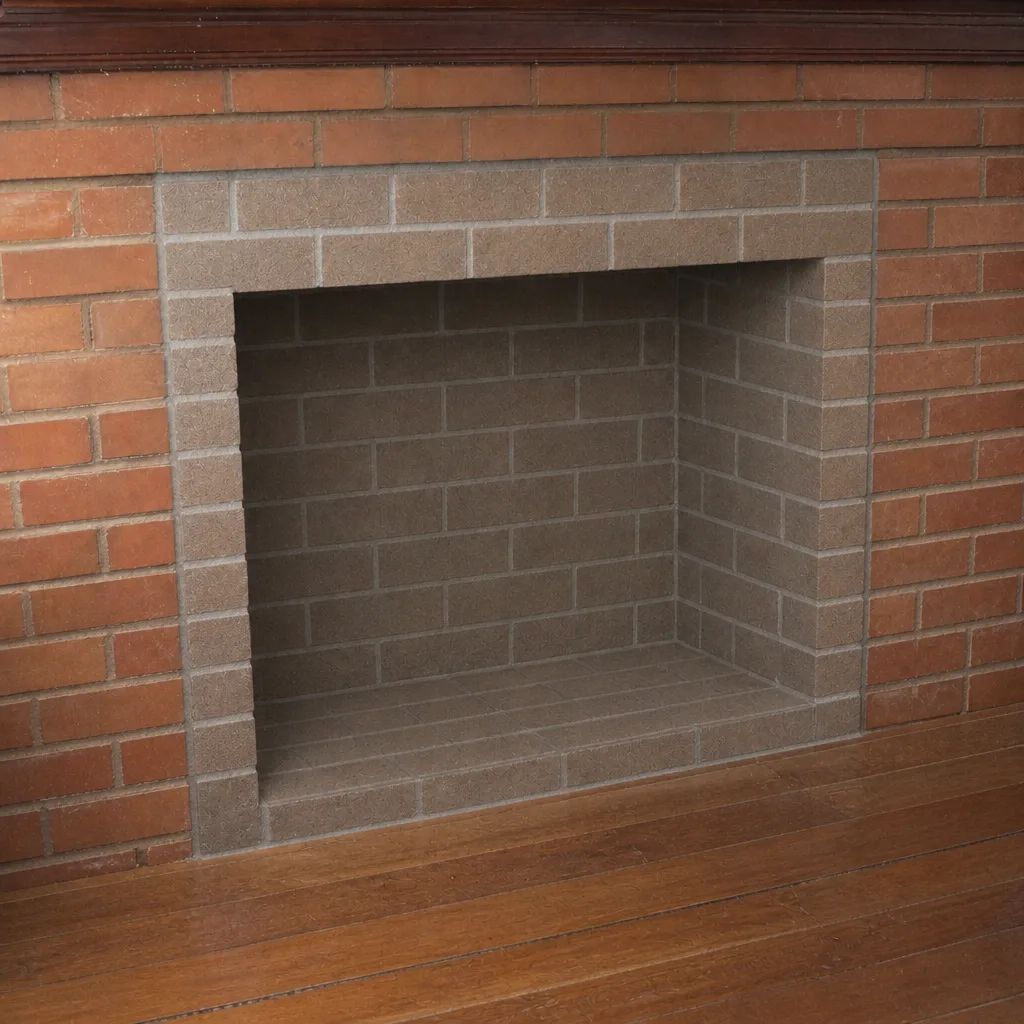 After
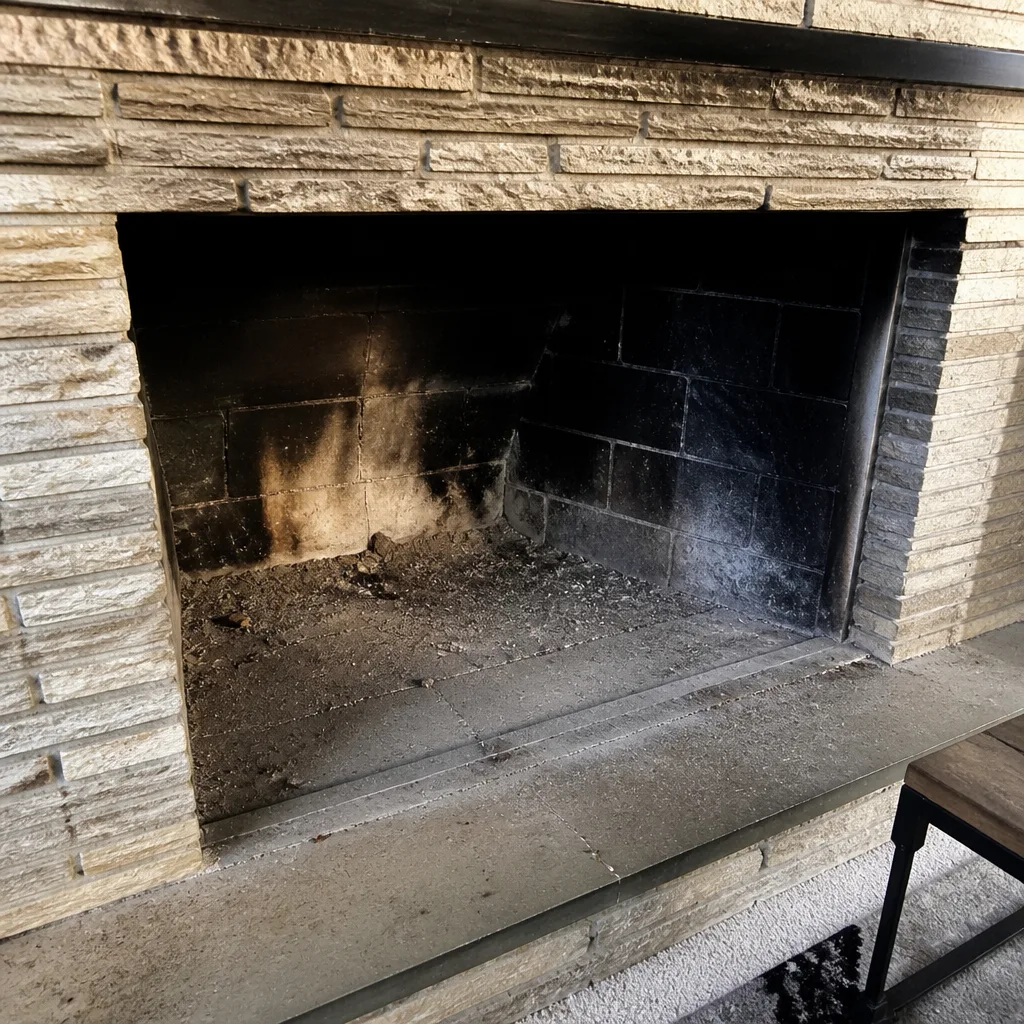 Before
 After
 Before
 After
When to Call a Professional
Call a professional any time the chimney’s condition is unknown, the liner is older clay tile, the home has an unknown burn history, or it’s been more than three years since the last professional inspection. Also call if you smell smoke in the house when the fireplace is running, if the flue is obstructed by an animal nest, if the cap is missing or damaged, or if you’ve had a chimney fire. In those scenarios, cleaning without a professional assessment is a risk not worth taking. For the routine case, a standalone inspection is available that gives you a documented baseline before you decide whether to sweep. Auburn Chimney Sweep Pros offers free estimates in Auburn. Call (877) 492-4265. We answer 24/7. Fast dispatch from 7am to 7pm, Sunday through Friday.
Frequently Asked Questions
It’s safe for a homeowner to remove light, dry soot from a straight flue with consumer brushes, but it isn’t safe to skip the professional inspection that catches cracks, spalling, and glazed creosote. The cleaning is safe; the diagnosis is what you’re missing. Call (877) 492-4265 for a free estimate on an inspection.
Most Auburn homes with a wood-burning fireplace should be swept and inspected annually, but the right interval depends on burn frequency and wood quality. Homes that burn heavily through the winter may need more frequent attention. A professional inspection will tell you what your specific chimney needs. Call (877) 492-4265 for a free estimate.
Deferred inspection means defects like liner cracks, crown failures, and glazed creosote can progress unnoticed, and an insurer may not have the documentation needed to process a claim after a chimney fire. The longer a chimney goes uninspected, the more likely the first visit uncovers something that needs repair. Call (877) 492-4265 for a free estimate.
DIY cleaning itself doesn’t typically void a policy, but a record of self-cleaning often doesn’t satisfy an insurer’s request for professional documentation after a chimney fire. A written inspection report from a qualified technician is the document that answers the insurer’s questions. Call (877) 492-4265 for a free estimate on an inspection.
A clean-burning gas insert or direct-vent appliance often needs far less cleaning than a wood-burning fireplace, and light maintenance can be within reach of a careful homeowner. Annual inspection still matters, and a technician should confirm the liner and vent are sound. Call (877) 492-4265 for a free estimate.
A Level 1 inspection is a visual check of accessible components, while a Level 2 inspection adds a video scan of the flue interior and is the standard for any chimney that’s changing hands, changing fuel type, or has had a fire. The camera scan is what reveals cracks and joint failures that a visual check can’t see. Call (877) 492-4265 for a free estimate.
The Bottom Line
Cleaning a chimney is the easy part, and a homeowner with the right brushes can manage light soot in a straight flue. The part that matters is assessment, and that’s what you can’t replicate with consumer equipment: a camera scan, a trained eye, and a written record of the chimney’s condition. In an Auburn home with older clay tile, unknown burn history, or a chimney that hasn’t been inspected in years, the case for professional service is strong on liability and diagnostic grounds alone. Even if you handle some maintenance yourself, an annual professional inspection and a written report are the pieces that protect the house and the claim. If you’re not sure which side of the line your chimney sits on, the conservative answer is a professional inspection first, and the team at Auburn Chimney Sweep Pros is glad to be the one who answers that question.
If you’re in Auburn and want a clear picture of your chimney’s condition before the next burn season, call Auburn Chimney Sweep Pros at (877) 492-4265 for a free estimate. We answer 24/7. Fast dispatch from 7am to 7pm, Sunday through Friday. From annual sweep to full liner restoration, our technicians have up to 9 years of experience and can work from the diagnostic scan all the way to the cap and crown, so you don’t have to source a second contractor to finish the job. The right material for the repair, chosen by the people who scanned the flue, is what keeps the chimney safe to burn in.
Written by the team at Auburn Chimney Sweep Pros.