
Last updated November 25, 2026
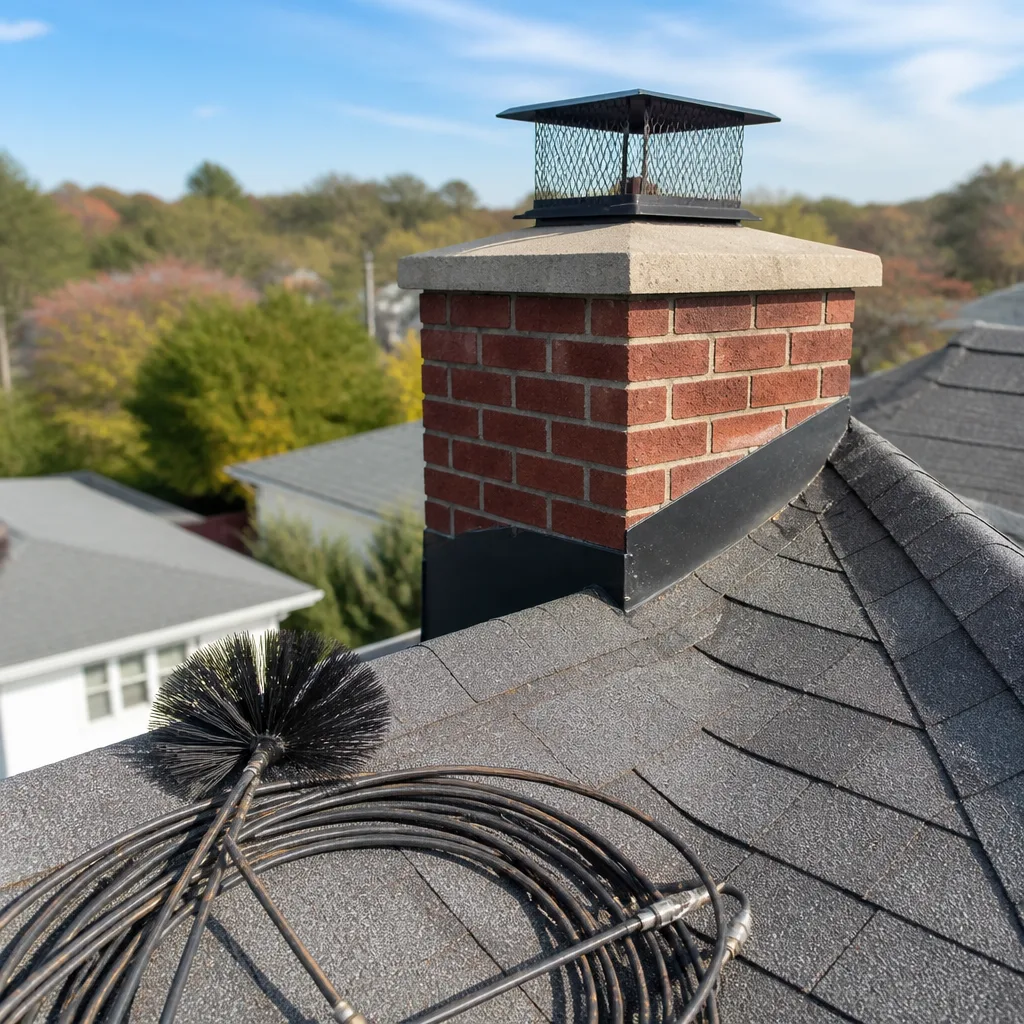 Sweep & inspection
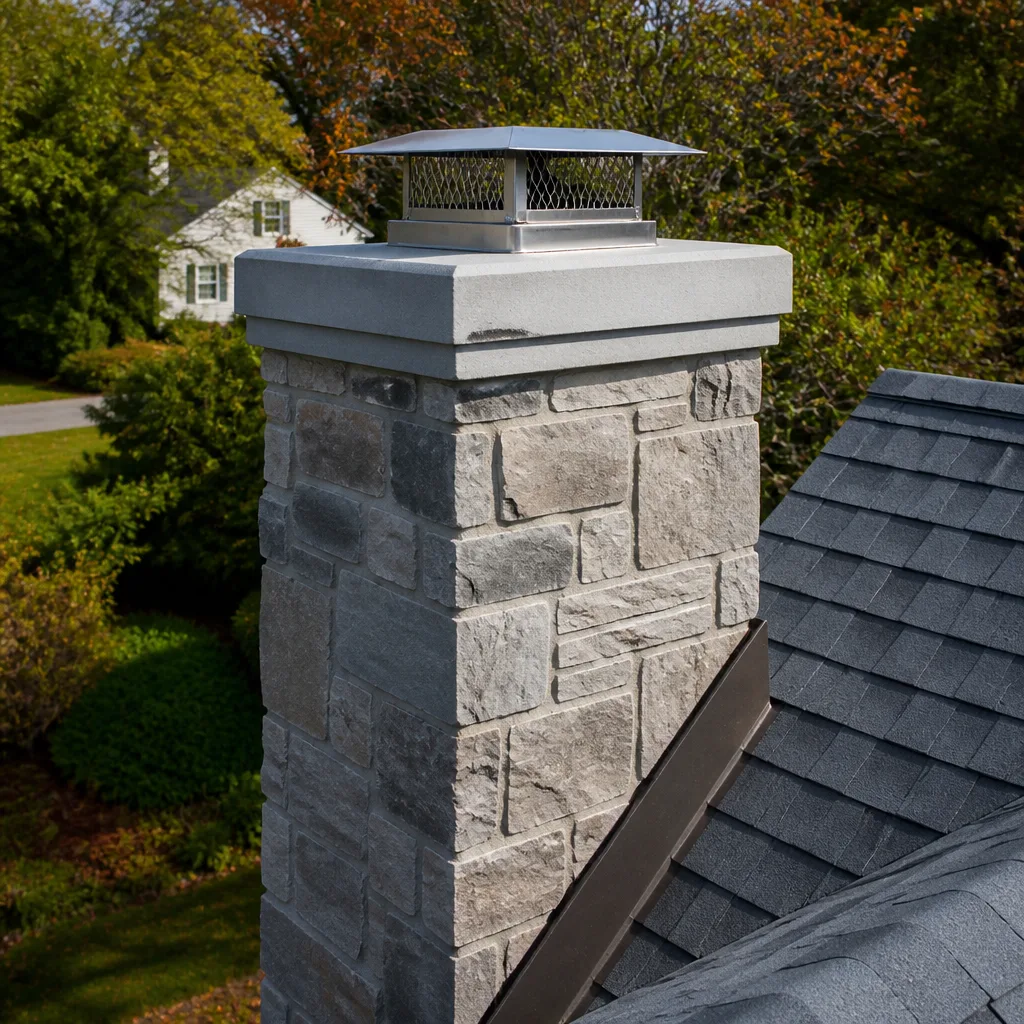 Caps & crowns
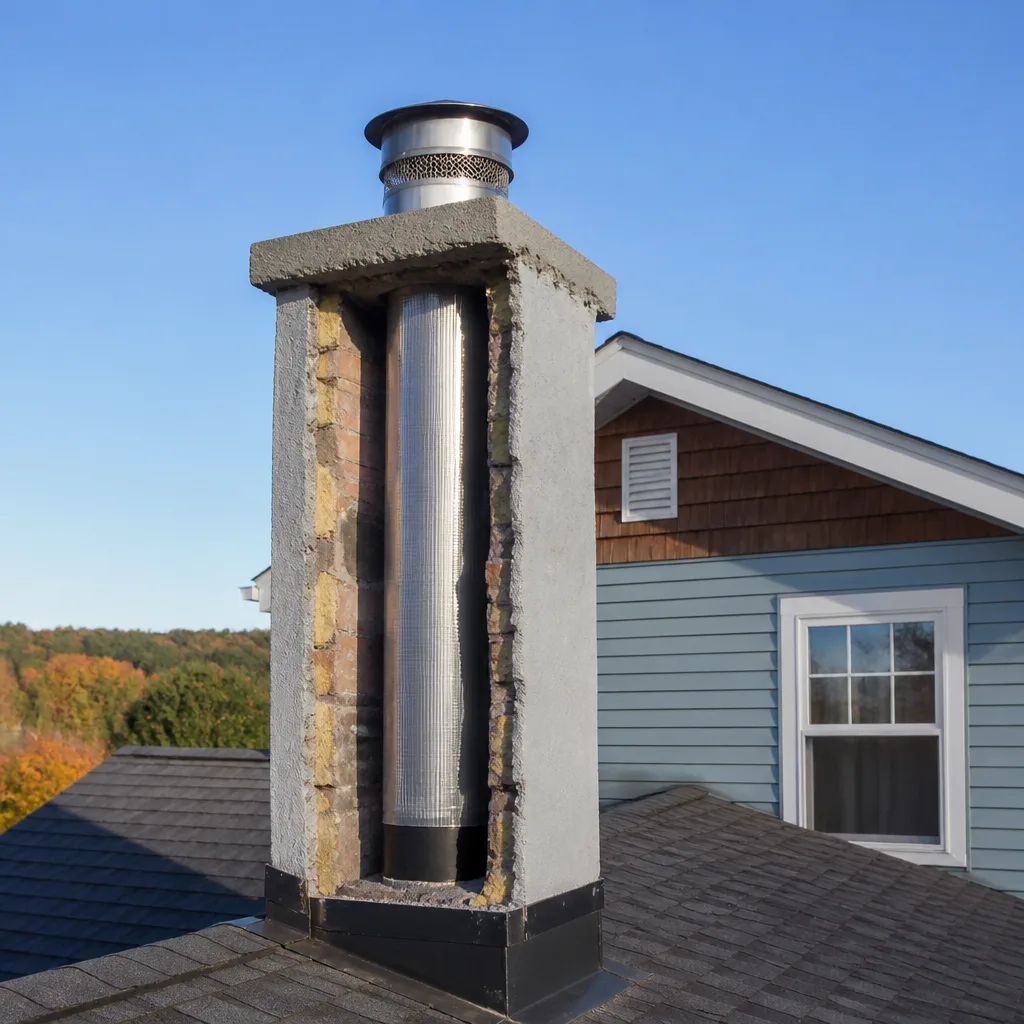 Flue relining
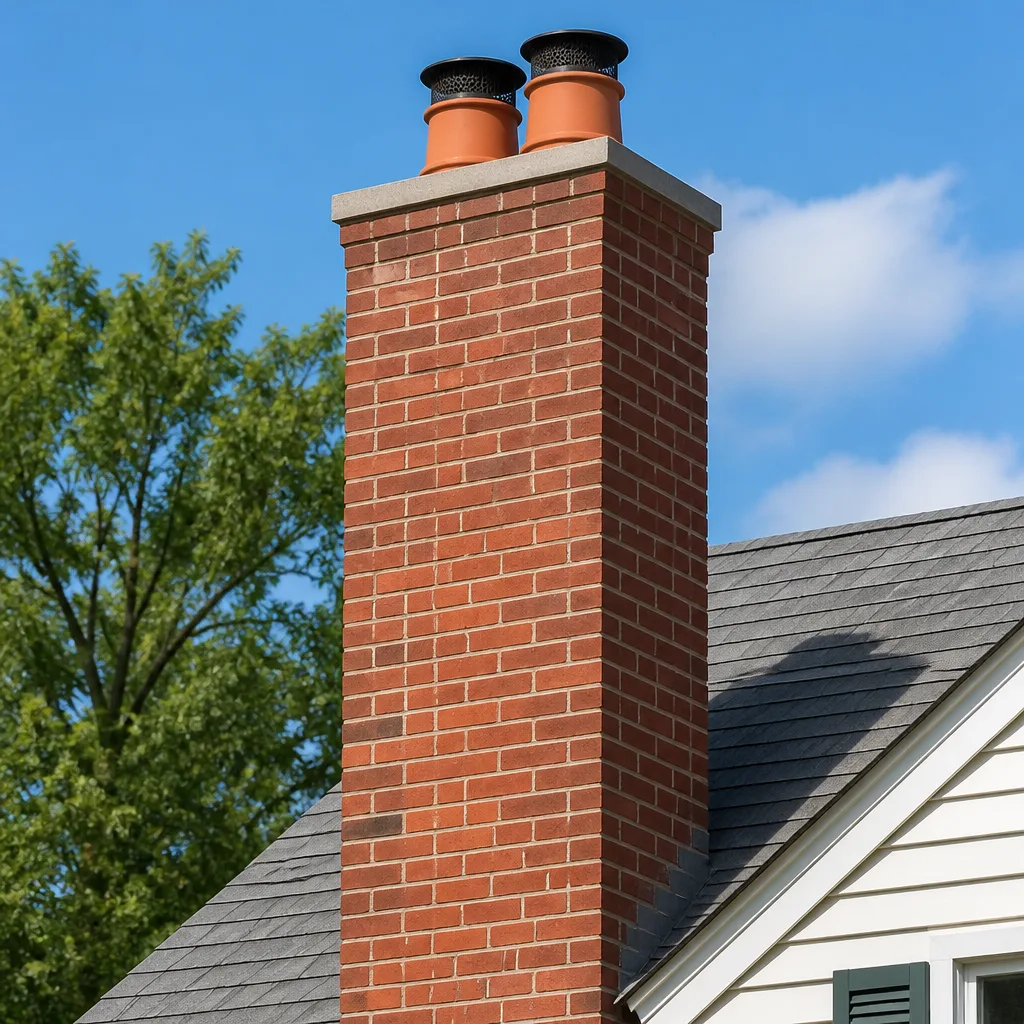 Masonry repair
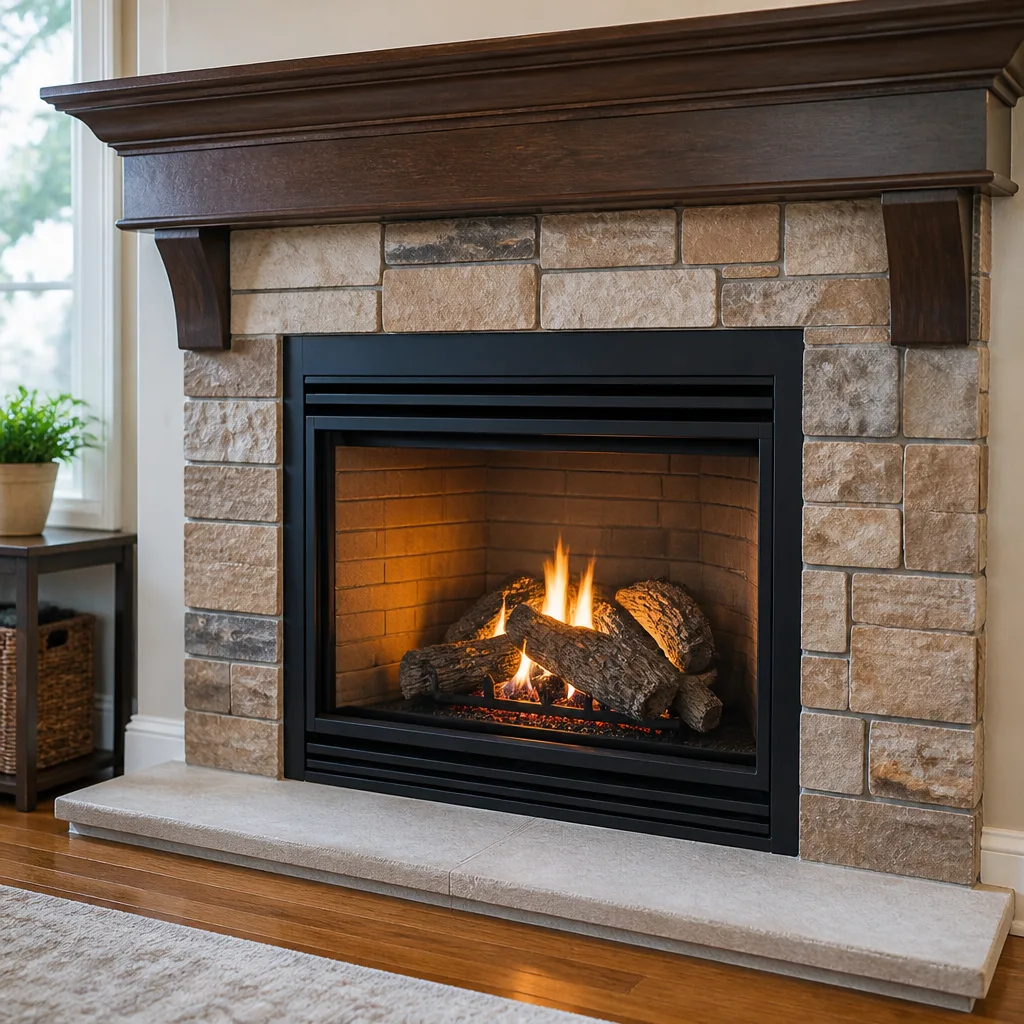 Gas fireplace service
Level 1 sweep and inspection to the NFPA 211 annual standard - flue, crown, cap, and flashing checked and photographed
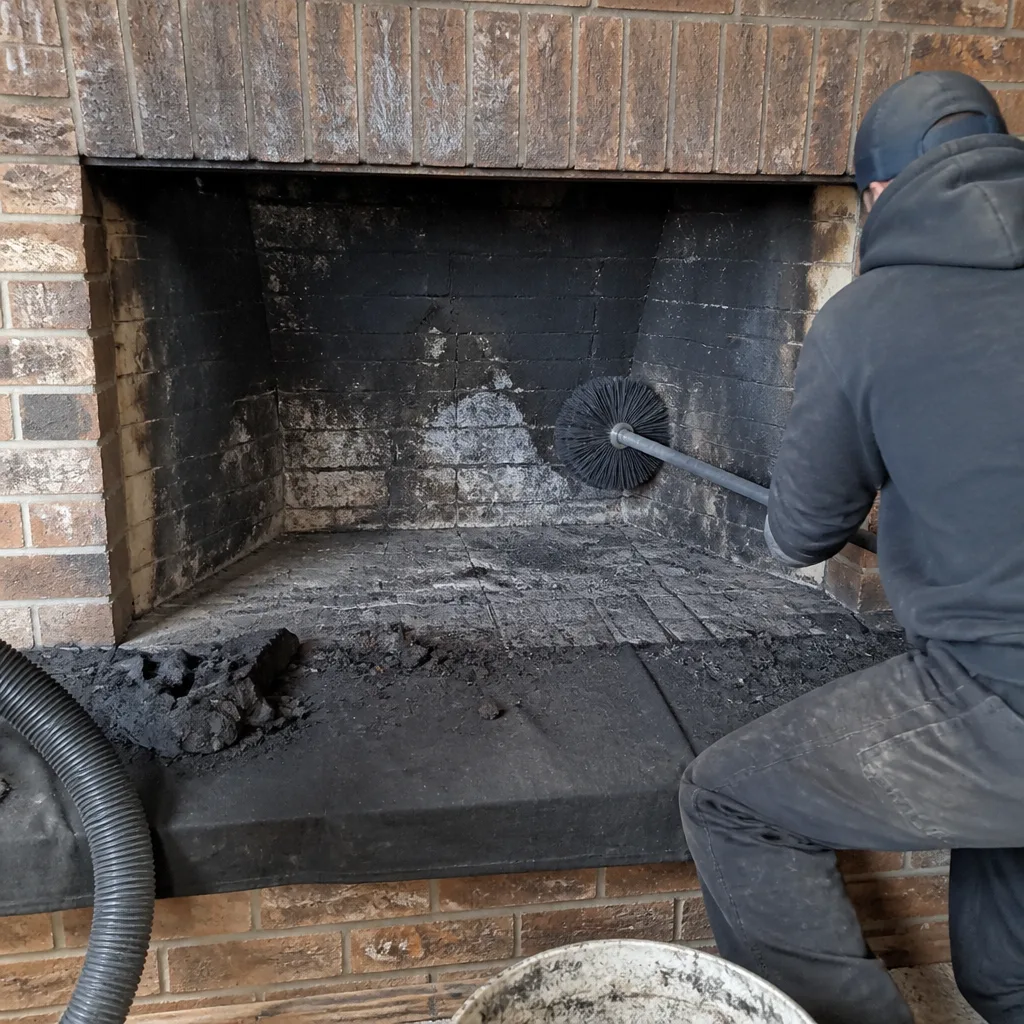
Chimney sweep logs do not sweep chimneys. They loosen some creosote - which then falls where a brush and vacuum still have to collect it.
Seasonal Chimney Cleaning Care for Auburn: Year-Round Homeowner’s Guide
Most homeowners assume the danger months for a chimney are December and January, when the fire is burning hottest and longest. In our experience across Auburn, the opposite is closer to the truth. The most damaging stretch for a chimney here is the damp, unheated spring and summer, when leftover creosote soaks up moisture and quietly corrodes the liner from the inside out. Auburn doesn’t have one clean “fire season” like colder climates do. Our mild falls and wet springs cycle the system through use and disuse several times a year, and every transition brings its own risks. This guide walks you through what each phase asks of your chimney, from the first fall fire to the summer inspection that catches problems while they’re still cheap to fix.
Quick Answer
In Auburn, chimney care is a year-round job, not a once-a-year task. Sweep and inspect in early fall before the first fire, monitor draft and combustion through the active winter months, handle moisture deliberately in spring, and book a summer inspection when the system is fully dry and visible. Each of those phases catches a different class of problem, and skipping any one of them lets damage build where you can’t see it.
Styles & brands we work with
- Sweep & inspection
- Caps & crowns
- Flue relining
- Masonry repair
- Gas fireplace service
Table of Contents
- Why year-round chimney care matters in Auburn
- Fall: what a pre-season sweep is really assessing
- Winter: monitoring draft and combustion during active use
- Spring: the moisture trap that catches most homeowners
- Summer: the best time for a structural inspection
- How La Niña and El Niño shift your sweep timing
- A year-round care calendar for Auburn
- Common mistakes to avoid
Why Year-Round Chimney Care Matters in Auburn
Auburn sits in a stretch of Washington where the weather doesn’t commit to a single pattern. Fall arrives mild and slow, so many homes don’t light the first fire until well into October or later. Then the rain comes, and spring stays wet often right up to the point where you’d least expect it. That rhythm means your chimney isn’t subjected to one long predictable heating season. It’s used, set aside, used again, and set aside again, and each switch produces its own kind of wear.
The deposits left behind after a fire don’t sit inert. Creosote, the tar-like residue that builds up in the flue, is hygroscopic, which means it pulls moisture out of the air. In a wet Auburn spring, that’s exactly the problem. The flue is cold, the air around it is damp, and any creosote coating soaks it up like a sponge. Left there through the off-season, that moisture keeps the liner and masonry damp for months, and that’s where the real structural damage tends to start.
Here’s the part that catches people: a chimney can look completely fine from the fireplace side and still be deteriorating inside the flue. You won’t smell it, you won’t see it, and by the time it shows up as a draft problem or a stain on the ceiling, the repair is bigger than it needed to be. This is why we treat the calendar as the starting point for chimney care in Auburn rather than waiting for a symptom to appear. A chimney that’s safe to burn in is the goal, and getting there is about timing, not just the task itself.
If you handle nothing else, handle two things: a proper sweep before the season and a proper inspection that lets you see what’s going on inside. Both are available from us, and the inspection can stand on its own as an honest diagnostic, separate from any cleaning. From annual sweep to full liner restoration, the whole system is something you can keep tracking year after year rather than remembering in a panic.
Fall: What a Pre-Season Sweep Is Really Assessing
A fall chimney sweep is not just creosote removal. That’s the part homeowners picture, and it’s the smallest piece of what a sweep actually tells you. Done properly before the first fire, it’s a full read on the condition of the system going into the season, and what it catches is often something you’d never have found on your own.
Here’s what a pre-season sweep actually assesses, beyond the brushing:
- Creosote type and depth. Creosote ranges from soft soot to hard, glazed tar. The glazed kind is the dangerous kind, and the sweep tells you which you’re dealing with.
- Draft and airflow. A sweep can flag a flue that’s choked or obstructed and would have smoked back into the room the moment you lit up.
- Nesting and blockages. Birds, squirrels, and debris find their way in during the off-season. A chimney closed for months is a very attractive hollow space.
- Damper operation. A damper that’s stuck or warped changes how the whole fireplace behaves.
- Signs of water intrusion. Staining, rust, or crumbling mortar that started in the wet season and is now visible.
For Auburn homeowners using wood, the goal of a fall sweep is to start the season with a known-clean, known-working flue. That’s the point where the system is safe to burn in, and you’ve got the diagnostic information to plan any repairs on your own timeline rather than in the middle of a cold snap. The fall timing also matters because it’s before the flue has built up another season of deposits, so it’s cleaner to evaluate.
One caveat you shouldn’t skip: if a sweep reveals a cracked or failing liner, or a damaged crown letting water in from above, that’s a repair decision, not a brushing decision. Damaged clay-tile liners can often be resurfaced with HeatShield instead of fully replaced, which gives you a real alternative to the most expensive option. The key is catching it before the wet season does more damage than a repair can walk back.
Winter: Monitoring Draft and Combustion During Active Use
Once the fireplace is in regular use, your job shifts from prep to observation. You’re not doing repairs in the middle of the burn season; you’re watching for the signals that something is changing. A fireplace that worked well in November and starts behaving differently in January is telling you something, and those signals are worth knowing.
What to watch for during active use:
- Smoke backing into the room. A fireplace that suddenly smokes when it didn’t before suggests a draft problem, an obstruction, or a change in how the house is drawing air.
- A weaker or lazier flame. If the fire struggles to catch or looks sluggish, the draw may have dropped.
- More smoke than usual from the top of the chimney. Heavy or persistent smoke where there was once a clean plume points to incomplete combustion.
- A smoky smell that lingers. Odors drifting through the house when the fireplace isn’t lit can mean draft is pulling the wrong way, or that creosote has built up.
- Visible soot or dark staining around the firebox opening. That’s combustion pushing where it shouldn’t.
Draft is the single best indicator of how the system is behaving, and it changes with conditions. Cold, dense outside air helps a chimney draw; a house sealed tight against winter weather can starve a fire of the air it needs. Mid-season, the practical thing to do is watch for changes from your own baseline. If the fire has started behaving differently, that’s a signal to have the system looked at rather than to push through the rest of the season.
Monitoring combustion also ties directly to carbon monoxide risk. A wood fire produces carbon monoxide like any combustion, and when the flue isn’t drawing properly, that exhaust can find its way into the house. Working smoke and carbon monoxide detectors, kept in good order, are a basic part of running a fireplace safely. We can’t check them for you, but we can tell you that poor draft and a quiet detector are a combination you don’t want.
Spring: The Moisture Trap That Catches Most Homeowners
Here’s the instinct almost everyone has after the last fire of the season: close the damper and forget about the chimney until fall. It feels tidy. In Auburn’s wet climate, it’s the opposite of tidy. Closing the damper immediately after your final burn traps residual moisture inside the flue, and that moisture sits there through the damp spring and into a warmer, humid summer. This is the single most common seasonal mistake we see in our experience, and it’s the one most likely to cost you a liner.
The problem is the combination. Residual creosote is already on the flue walls. The chimney is sealed, cold, and unventilated. Outside, the air is damp for weeks at a stretch. Inside, that creosote coating absorbs the moisture and holds it against the liner. Over a few months, that means the clay tile and the mortar joints are wet far longer than they’d ever be in an active season. Mortar softens, tiles crack, and corrosion works from the inside out.
What to do instead:
- Leave the damper open a crack after your final fire, so the flue can breathe and any residual moisture has somewhere to go.
- Get a spring sweep so the creosote that would otherwise absorb moisture is removed before the wet season sets in.
- Check for water entry from above. The crown and cap are where most water gets in, and a spring look catches it while there’s time to seal it.
- Watch your fireplace and ceiling for stains, rust, or a damp smell, which are early signs that moisture is already working inside the system.
A spring sweep is really a moisture-management decision. It’s the difference between starting summer with a dry, clean flue and starting it with a damp one quietly deteriorating behind the damper. For chimneys in Auburn, that decision each spring is worth more than almost anything else on the calendar.
Summer: The Best Time for a Structural Inspection
If you’re going to book one inspection a year, summer is the smart time to do it. This runs against the fall instinct, but the reasoning is straightforward. In summer the system is fully dry, which means an inspector can actually see what the masonry and liner are doing without moisture masking or imitating damage. It’s also fully visible, because there’s no active fire and no smoke. A structural problem that would be hard to read in the fall is much clearer when the chimney is dry and idle.
Summer inspections are also the practical time to plan any work. If the inspection turns up a damaged crown, a failing cap, or a liner that needs attention, you’ve got a window to get it fixed before the season starts. That’s a completely different experience from discovering the same problem the week you want to light the first fire. It also gives you the chance to weigh options calmly: a HeatShield resurfacing for a damaged clay tile liner rather than an automatic full replacement, for instance, is a decision easier to make when you’re not under seasonal pressure.
What a summer inspection covers:
- The flue interior, checking liner condition, joints, and any signs of cracking or corrosion.
- The crown, looking for cracks or deterioration that let water in from the top.
- The cap, confirming it’s intact and keeping out weather and animals.
- The masonry and exterior, checking mortar joints and any staining that points to water movement.
- The firebox and damper, so the whole system is assessed in one pass.
A summer inspection with us is a standalone service. It isn’t bundled into a sweep to justify an upsell. You get a clear picture of your system’s condition, and you decide what, if anything, needs doing. When repairs do come up, we work with professional-grade materials from names like Olympia Chimney and Gelco, so the fix is matched to the job rather than whatever’s cheapest at the hardware store. For structural assessments, timing is everything, and summer gives you the clearest view of a chimney in Auburn.
How La Niña and El Niño Shift Your Sweep Timing
The Pacific Northwest sits squarely in the path of the El Niño and La Niña cycle, and the difference between the two shifts how wet or dry an Auburn year turns out. You don’t need to be a meteorologist to use this, but you do need to let it adjust your sweep timing from one year to the next. A fixed date on the calendar isn’t the same as a smart one.
In a La Niña year, the region typically runs wetter and cooler through the cold months. That means more moisture in the air, longer damp stretches, and a spring that stays wet longer than average. For your chimney, that’s a year to prioritize the spring sweep and to pay close attention to the crown and cap, because water intrusion is the main enemy. If you’re going to be early on any maintenance this year, make it the moisture management.
In an El Niño year, by contrast, the pattern often brings warmer and drier conditions. That doesn’t mean “skip it,” but it does change the emphasis. A shorter, wetter shoulder season means less time with the flue damp, but hotter, drier summers put more stress on masonry and the crown, and a dry year still has cold snaps that switch the fire on. A dry winter usually means you’re burning in shorter, more frequent stretches, which affects creosote buildup in its own way.
The practical takeaway: check the seasonal outlook before you book your sweep and inspection each year. In a wet year, favor the spring sweep and a summer inspection to catch water damage. In a drier year, don’t let the lack of urgency turn into a skipped year. Either way, the pattern is a guide, not a guarantee, and the safest approach is the same overarching one: sweep in spring, inspect in summer, prep in fall, and watch through winter. Your chimney in Auburn is subject to whatever the Pacific does that year, so let the forecast inform the timing.
A Year-Round Care Calendar for Auburn
Here’s the whole guide as a single plan. Use it as a starting point and adjust the exact timing to your own burn habits and the year’s weather pattern.
- Early spring (after your last fire): leave the damper cracked open, book a sweep to clear residual creosote before the wet season, and look for any water intrusion at the crown and cap.
- Late spring into summer: book a standalone inspection while the system is dry and fully visible. This is the best window for structural assessment and planning any repairs.
- Midsummer: if repairs came up, get them handled now, whether that’s a cap and crown fix, a liner resurfacing with HeatShield, or fireplace repair, so nothing waits until fall.
- Early fall (before the first fire): a pre-season sweep to confirm the flue is clean and the system is safe to burn in, plus a fresh look at the damper and cap.
- Through winter: monitor draft and combustion quality, watch for smoke backing up or a changing flame, and keep smoke and carbon monoxide detectors in order.
- Any time: if something feels off, don’t wait for the calendar. A standalone inspection tells you exactly what’s going on.
That’s the whole cycle. Two sweeps and one inspection a year, timed to Auburn’s weather, is a manageable routine that keeps the system in known condition all year. Larger repairs, when they’re needed, slot into the off-season and get done before they become hazards.
Common Mistakes to Avoid
- Closing the damper the day the season ends. This traps residual moisture in the flue through Auburn’s damp spring and summer, which is where liner corrosion starts. Leave it cracked and sweep in spring instead.
- Treating the fall sweep as the only maintenance of the year. A fall sweep confirms the flue is clean, but it doesn’t catch the wet-season damage that builds in spring. Year-round care beats a single annual visit.
- Skipping the summer inspection because the fireplace is idle. Summer is when the system is driest and most visible, so it’s the best time for a structural look. Waiting until fall means finding problems when you’re ready to burn.
- Assuming a clean-looking firebox means a healthy chimney. The damage that matters is usually inside the flue or on the crown, where you can’t see it from the living room.
- Ignoring the crown and cap. Water intrusion from the top is one of the most common causes of structural deterioration, and it’s easy to overlook if you’re only thinking about creosote.
- Putting off a repair because “it’s still working.” A system that still draws can still be failing inside. Catching it before it becomes a hazard is the whole point of inspection-forward care.
- Using whatever cheap materials are on hand for a repair. The right material for the job matters, and professional-grade components hold up better against Auburn’s wet pattern over the years.
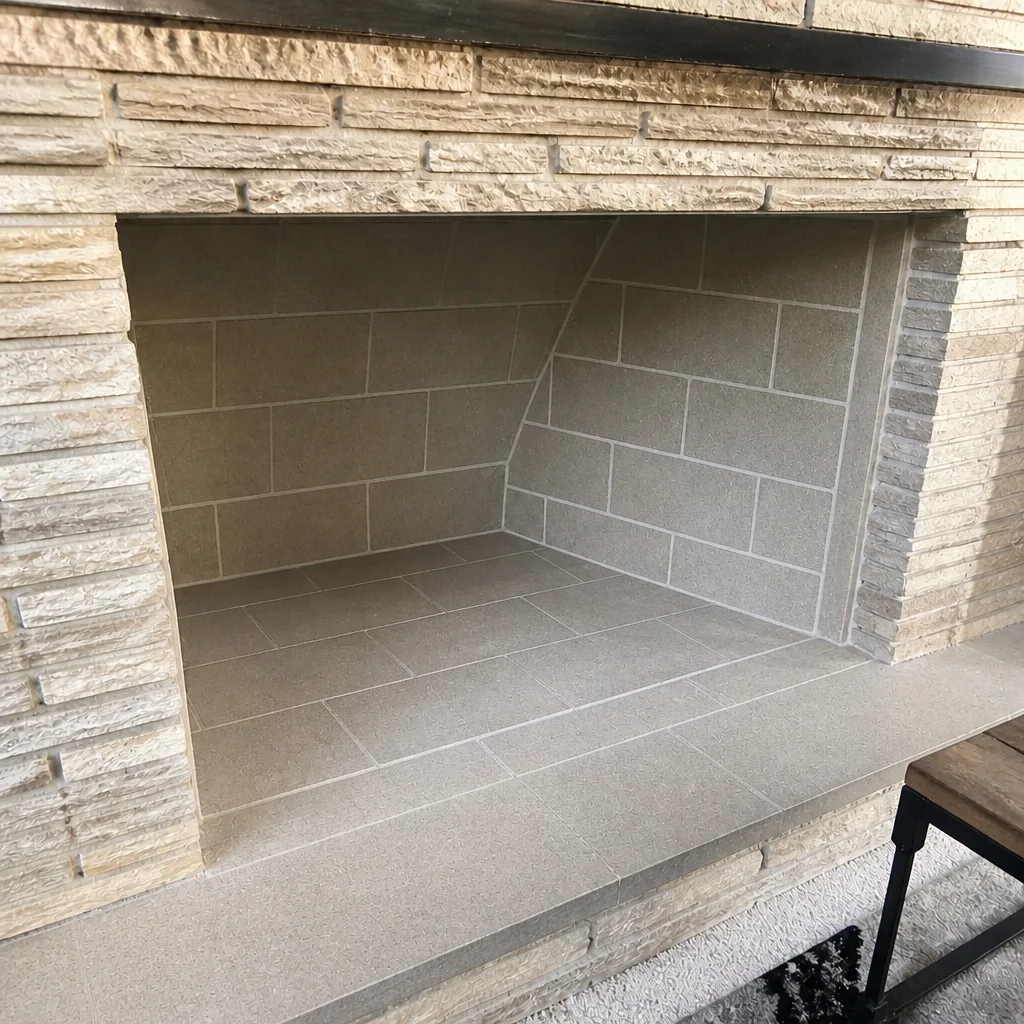
See the difference
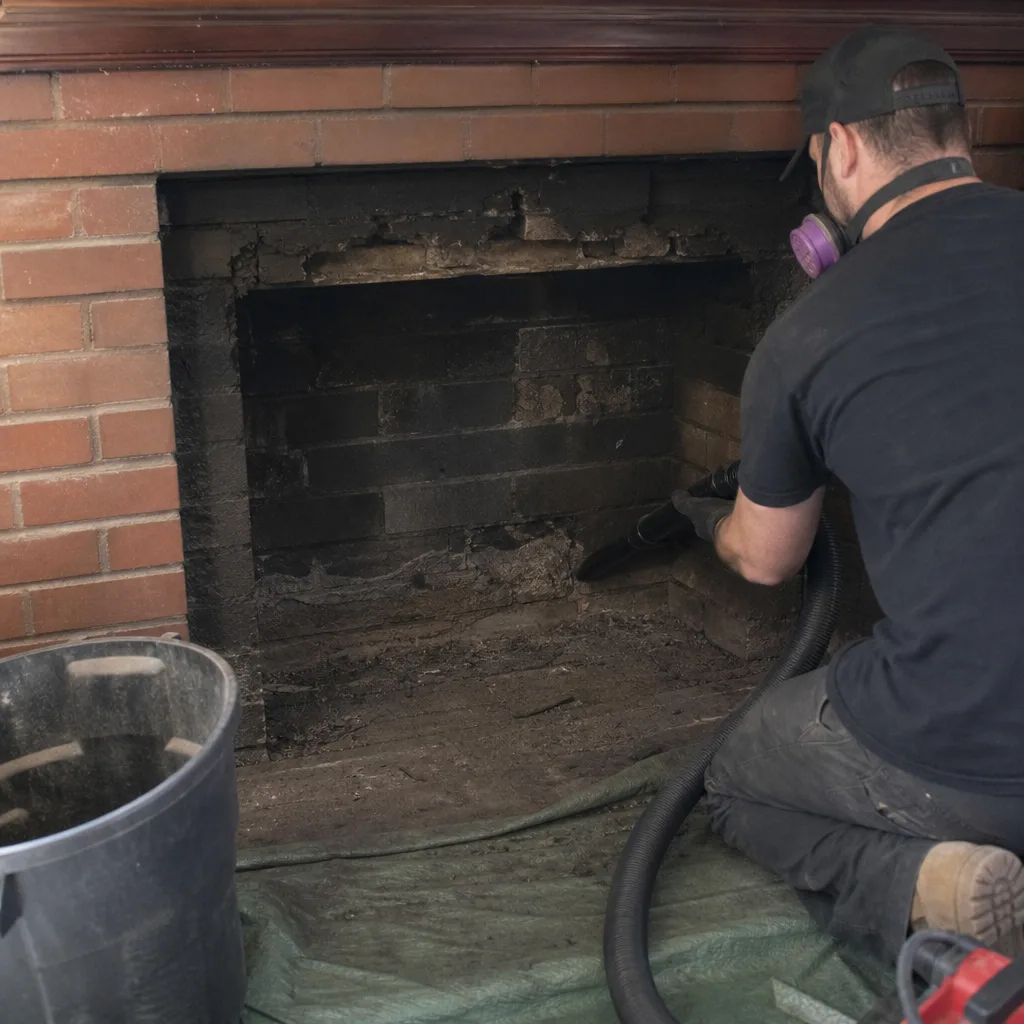 Before
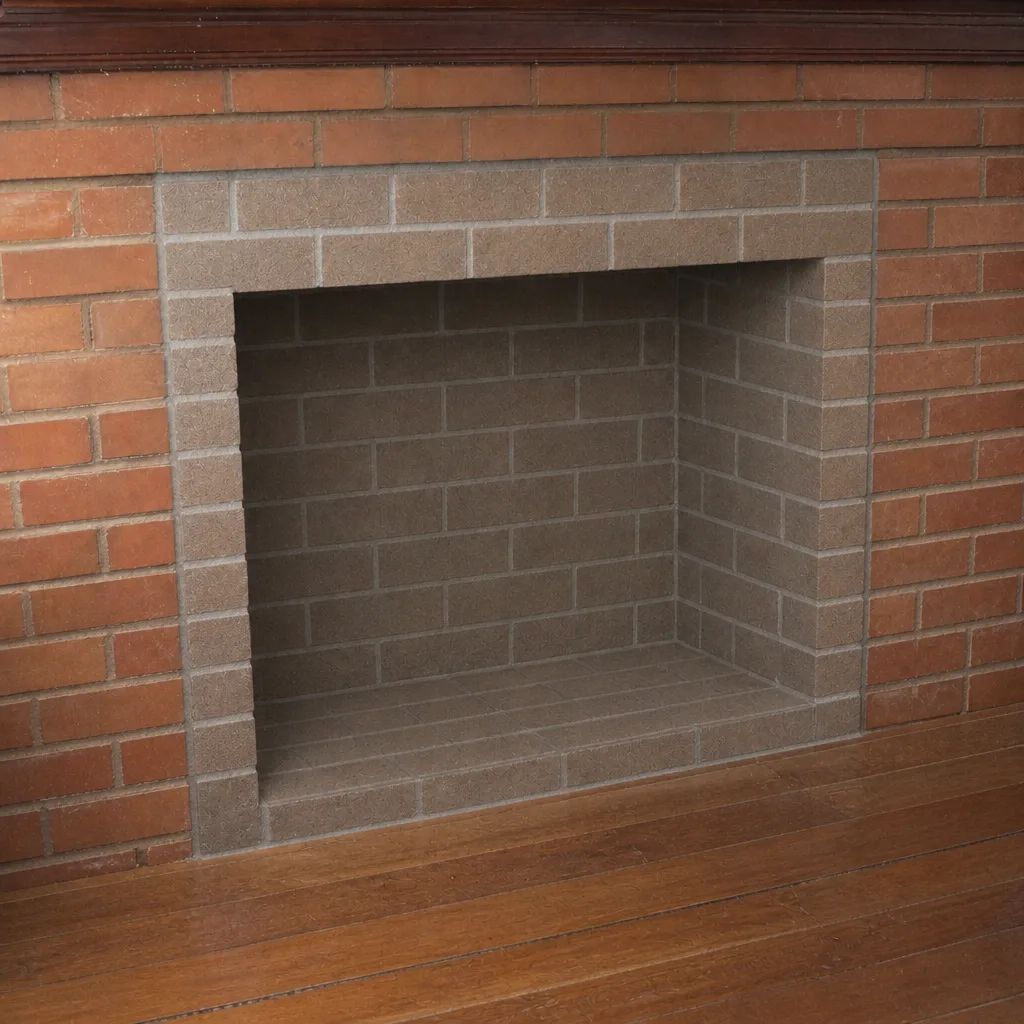 After
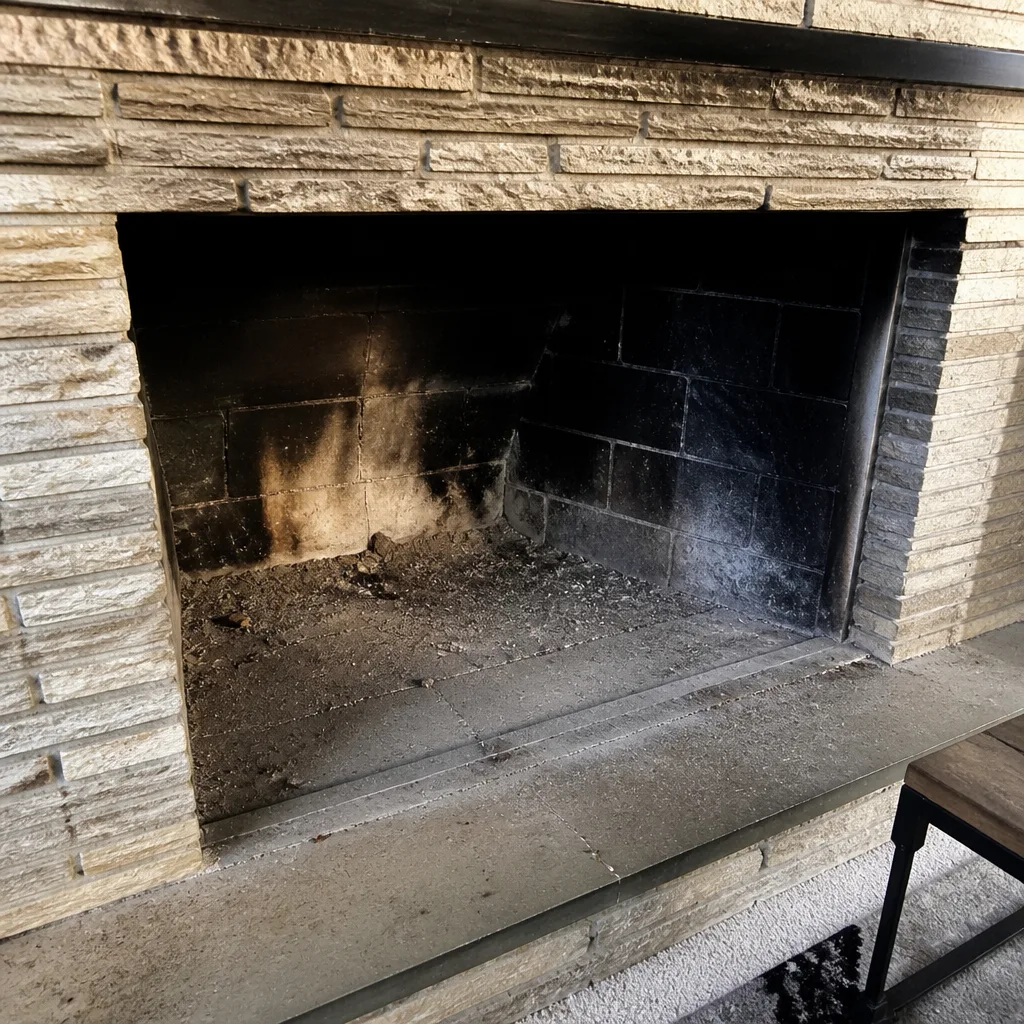 Before
 After
 Before
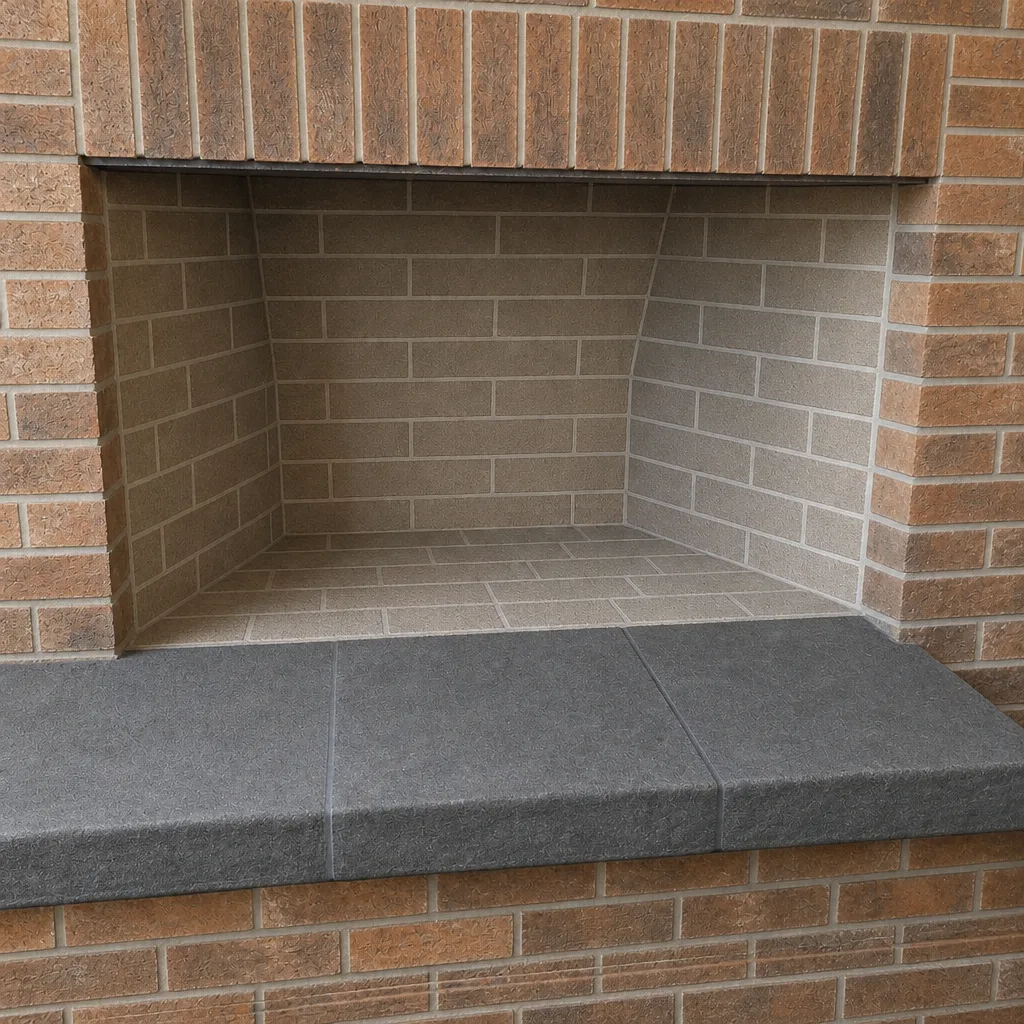 After
When to Call a Professional
Some jobs are worth handling yourself; chimney repair isn’t one of them. If you’ve noticed smoke backing into the room, a persistent smoky smell, a visible crack in the firebox or flue, water staining on the ceiling near the chimney, or a damper that won’t operate, it’s time to call. The same goes if it’s simply been a year since the last sweep or you’ve never had the system inspected. And if a repair has been recommended to you and you’re not sure it’s necessary, an independent inspection gives you a clear, verifiable picture before anyone touches a tool.
At Auburn Chimney Sweep Pros, we offer five core services under one roof: sweep, inspection, fireplace repair, chimney repair, and chimney cap & crown. So you’re not juggling multiple contractors to get the whole system looked after. A chimney that’s safe to burn in is the goal, and a clean diagnosis is where it starts. Our technicians have up to 9 years of experience with the full range of repairs. Auburn Chimney Sweep Pros offers free estimates in Auburn. Call (877) 492-4265. We answer 24/7. Fast dispatch from 7am to 7pm, Sunday through Friday.
Frequently Asked Questions
Most wood-burning chimneys in Auburn should be swept once a year, ideally in spring after the last fire, with a second pre-season sweep in fall before you light up again. If you burn frequently, or notice a lot of creosote building up, you may need it more often. An inspection tells you for certain. Call (877) 492-4265 for an exact quote – estimates are free.
Skipping maintenance lets creosote accumulate and lets moisture work into the liner and masonry through the wet season. Over time that can mean a cracked liner, a deteriorated crown, and a chimney that’s no longer safe to burn in. In the worst case, a heavy creosote buildup raises the risk of a chimney fire, and poor draft raises carbon monoxide risk. None of that is inevitable, which is exactly why the routine matters. Call (877) 492-4265 and we’ll help you get back on schedule.
Summer is the best time for an inspection because the system is fully dry and fully visible, so any structural damage is easier to read than it would be in the wet season. It also gives you time to plan and complete any repairs before fall. A standalone inspection is available any time, which is why we treat it as an honest diagnostic rather than a lead-in to a sweep.
Yes, and in Auburn’s climate it’s one of the most important steps of the year. Residual creosote absorbs moisture during the damp spring and summer, so removing it before the wet season protects the liner. Combine it with cracking the damper open and checking the crown and cap for water entry. Call (877) 492-4265 to time your spring sweep.
It can. Wet La Niña years make spring moisture management and crown and cap checks more important, while drier El Niño years can reduce the damp-season risk but still call for the same routine. The practical answer is to sweep in spring, inspect in summer, and prep in fall every year, adjusting the emphasis to the forecast. Call (877) 492-4265 – estimates are free.
Often yes. Damaged clay-tile liners can frequently be resurfaced with HeatShield, an EPA-recognized alternative to full replacement, which is usually the more cost-effective route when the liner qualifies. A proper inspection confirms whether resurfacing is appropriate for your system. From annual sweep to full liner restoration, we can walk you through the options. Call (877) 492-4265.
The Bottom Line
Chimney care in Auburn isn’t a single fall task. It’s a year-round cycle: a spring sweep and moisture management after the last fire, a summer inspection when the system is dry and visible, a pre-season sweep before the first burn, and steady monitoring of draft and combustion through the winter. The goal at every stage is the same: catch problems before they become hazards and keep the system safe to burn in. For a complete-service approach covering sweep, inspection, fireplace repair, chimney repair, and cap and crown work, Auburn Chimney Sweep Pros is here to help. If you’re ready to plan your year of chimney care, call (877) 492-4265. We answer 24/7. Fast dispatch from 7am to 7pm, Sunday through Friday.
Written by the team at Auburn Chimney Sweep Pros.