
Last updated November 25, 2026
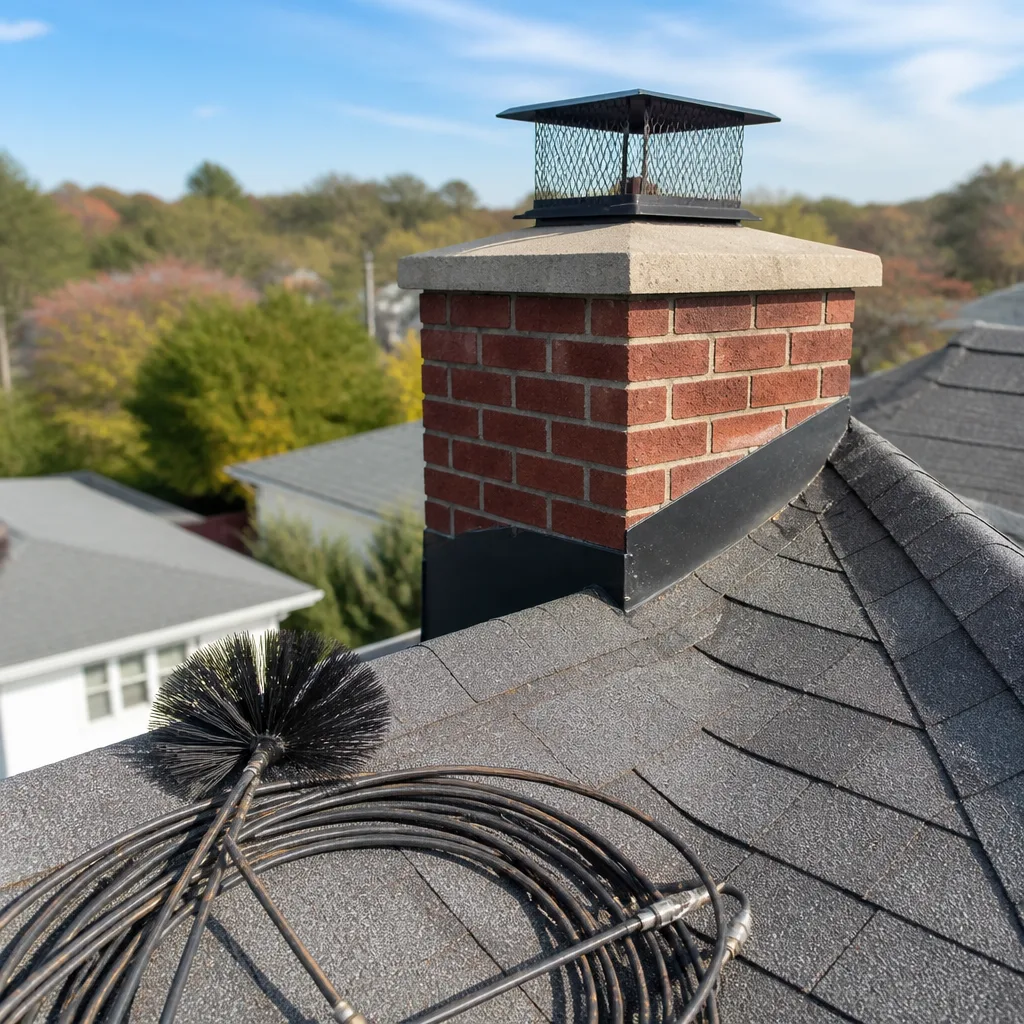 Sweep & inspection
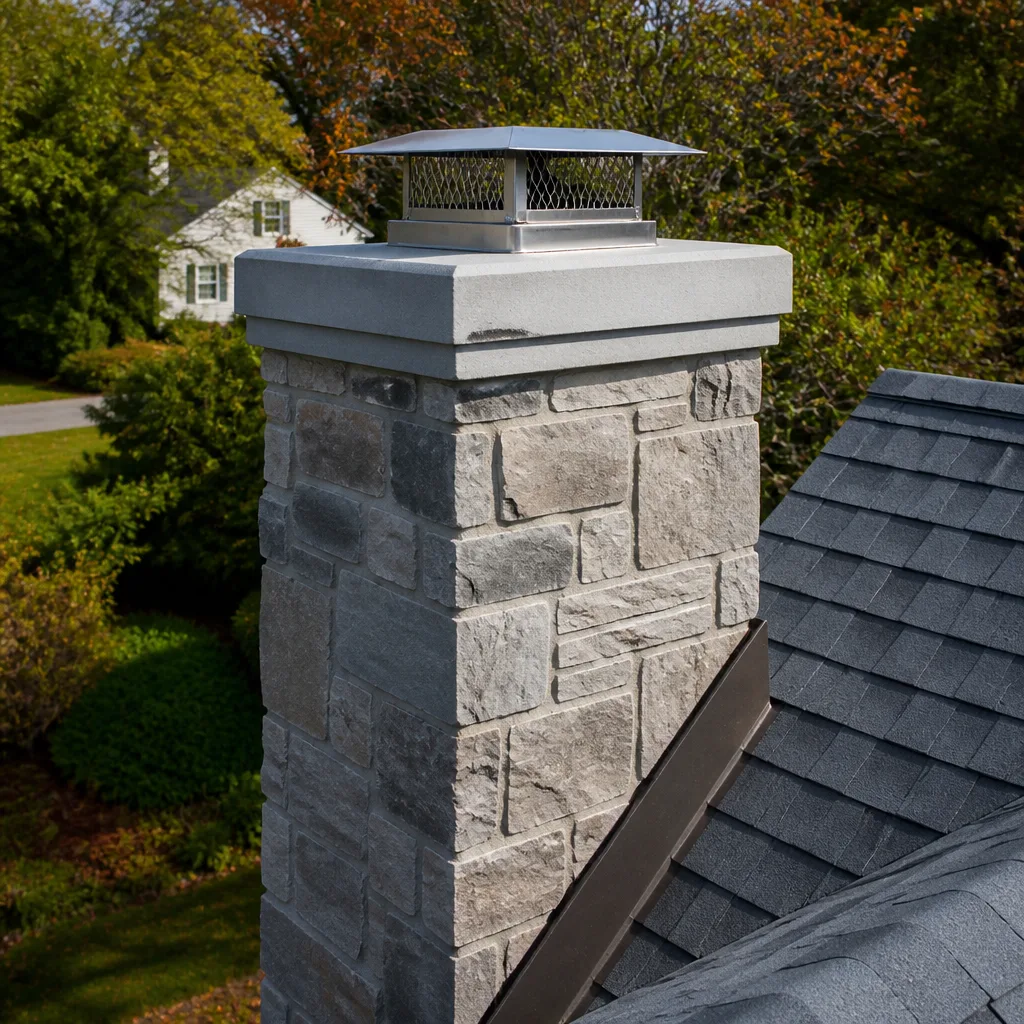 Caps & crowns
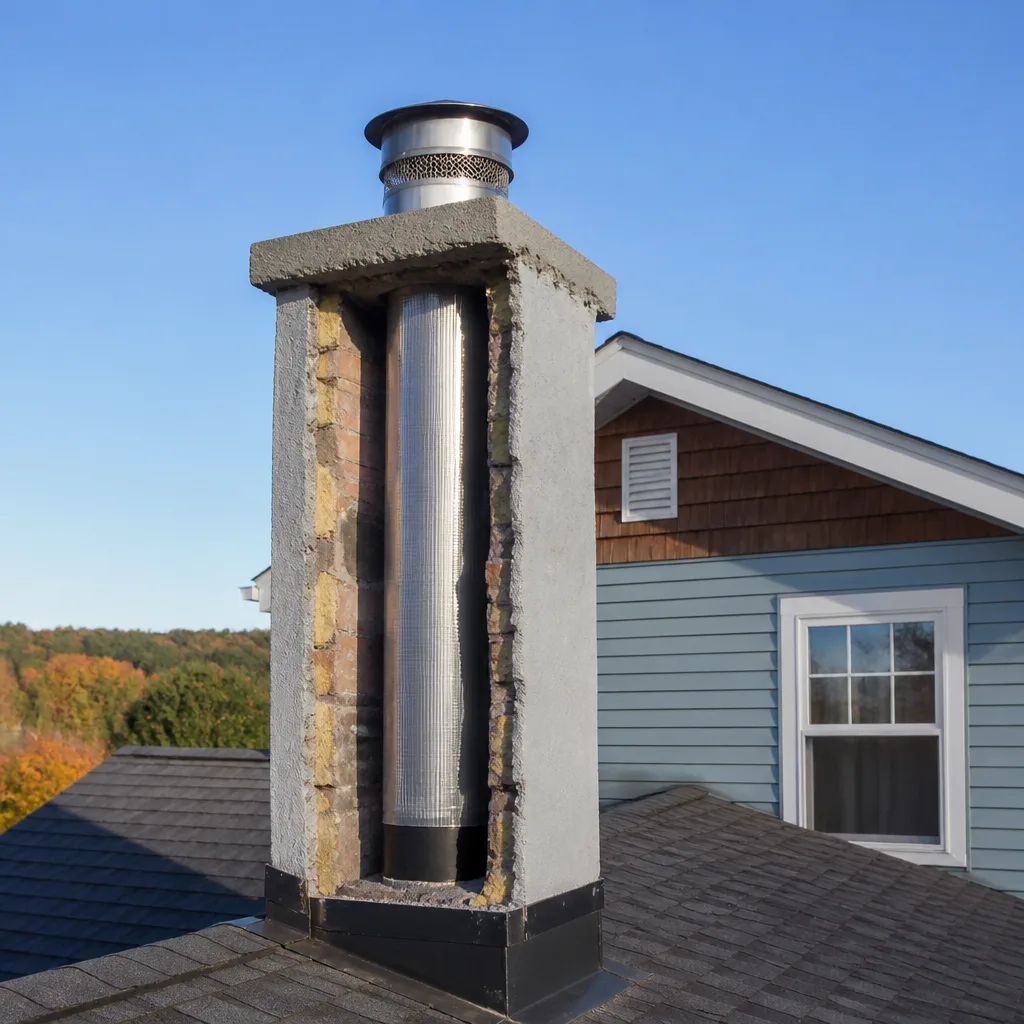 Flue relining
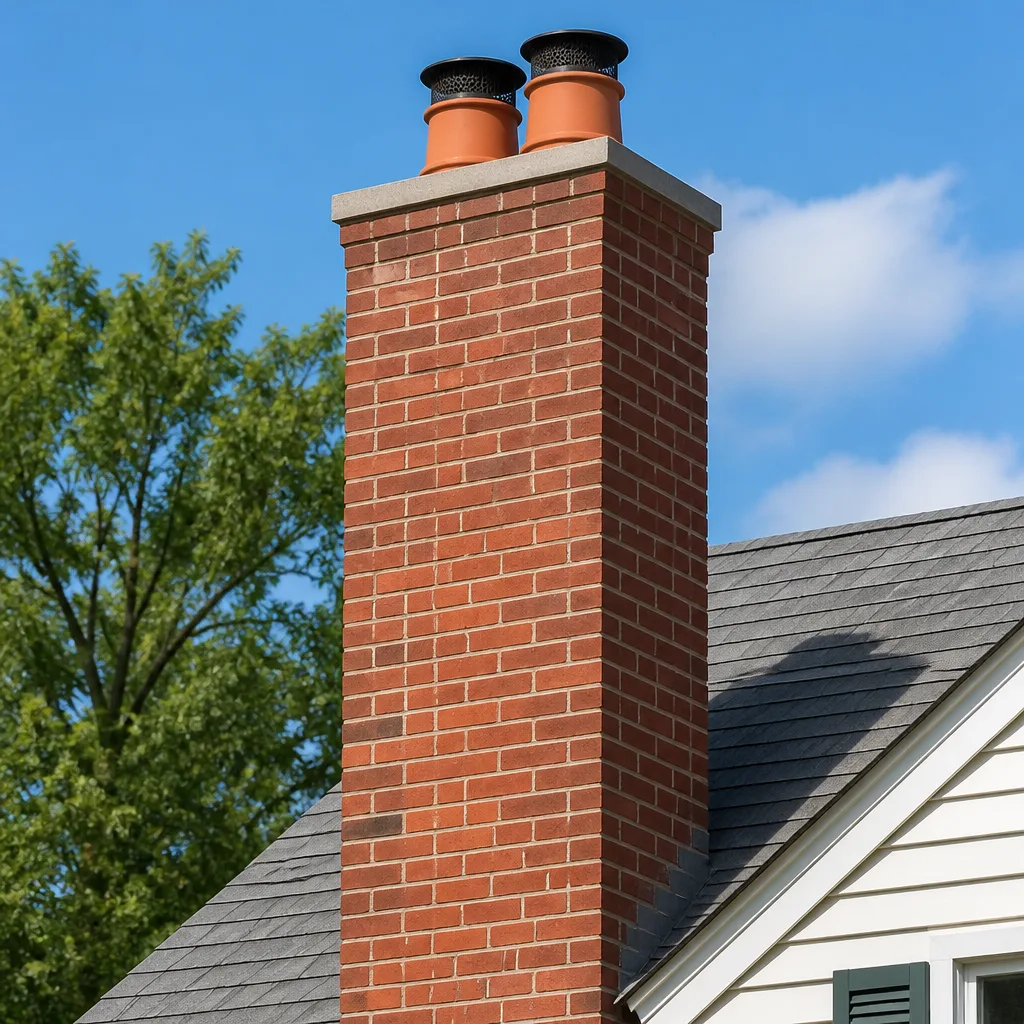 Masonry repair
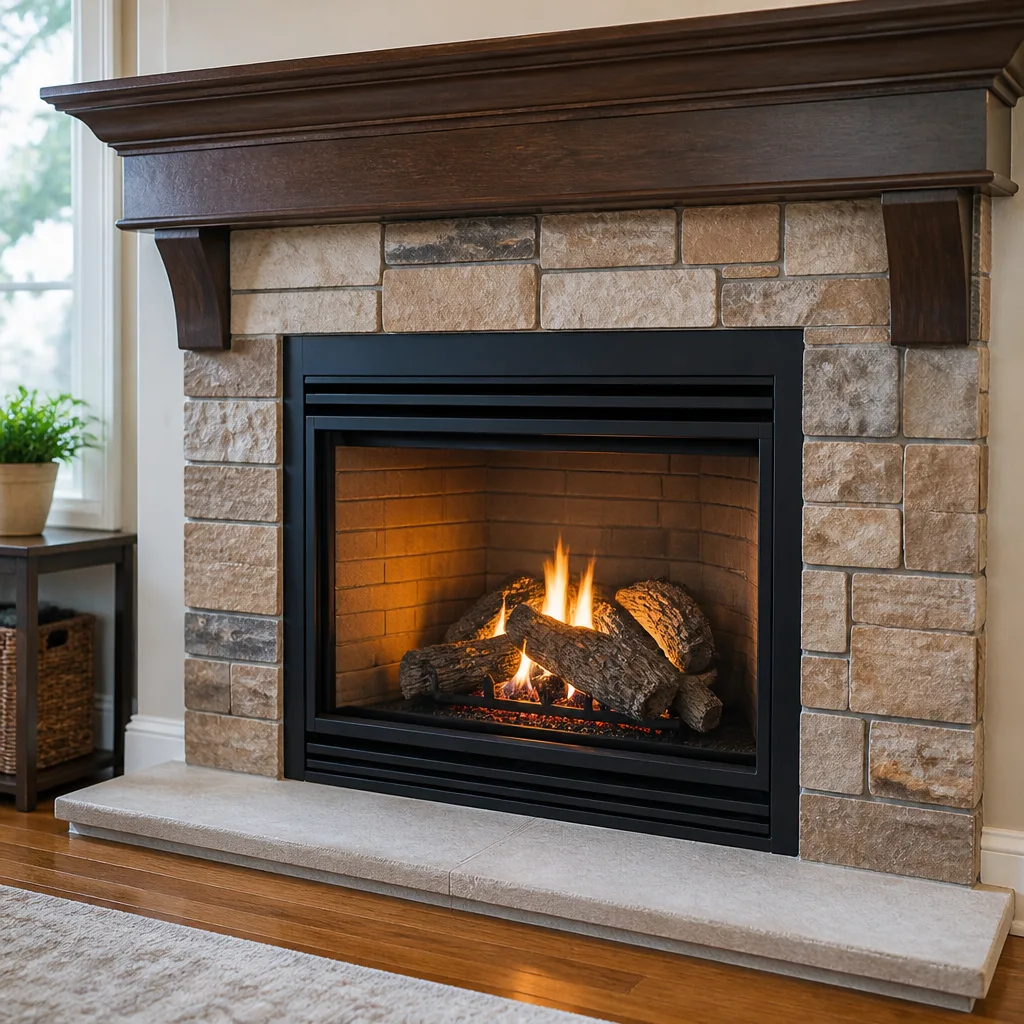 Gas fireplace service
Level 1 sweep and inspection to the NFPA 211 annual standard - flue, crown, cap, and flashing checked and photographed
Chimney sweep logs do not sweep chimneys. They loosen some creosote - which then falls where a brush and vacuum still have to collect it.
Chimney Cleaning Permits, Codes & Inspections in Auburn, WA: What You Need to Know
Most homeowners in Auburn assume chimney work is chimney work, and the paperwork is somebody else’s problem. Here’s the part that surprises people: cleaning your flue needs no permit at all, but the minute a contractor replaces even one section of your flue liner, that job crosses into permitted work under Washington State mechanical rules. Unpermitted liner work is legally undisclosed work, and in the event of a chimney fire it can complicate an insurance claim. This guide walks through the permit thresholds, the code that governs them, what the City of Auburn Building Division expects, and how to vet a contractor before you let anyone touch your system.
Quick Answer
Routine chimney cleaning in Auburn, WA does not require a permit, but repairs, liner replacement, and new installations generally do under the Washington State Mechanical Code, which adopts NFPA 211 as the governing standard for chimney systems. The City of Auburn Building Division issues those permits and expects documentation of the work. Ask any contractor whether your specific job requires a permit before work begins. If the answer is vague, that tells you something.
Styles & brands we work with
- Sweep & inspection
- Caps & crowns
- Flue relining
- Masonry repair
- Gas fireplace service
Table of Contents
- Where the Permit Line Actually Falls
- What the Washington State Mechanical Code Requires
- How the City of Auburn Building Division Handles Chimney Permits
- NFPA 211: The Standard Behind the Code
- How Permit Status Affects Your Insurance Claim
- The Paper Trail a Contractor Should Give You
- What an Inspection Covers and When You Need One
- The Vetting Question That Reveals the Most
Where the Permit Line Actually Falls
A chimney sweep cleans. A chimney contractor modifies. The permit line sits between those two verbs, and it isn’t always obvious to a homeowner watching from the driveway.
Cleaning is maintenance. Brushing creosote from a flue, vacuuming a firebox, removing a bird nest from the smoke chamber – none of that changes the structure of the system, so none of it triggers a permit in Auburn. Neither does a visual inspection or a camera scan. Those are diagnostic services.
Repair is different. The moment a contractor cuts into the chimney structure, replaces a liner section, installs a new appliance connector, or rebuilds a crown in a way that alters the flue’s function, the work falls under the Washington State Mechanical Code. That’s true whether the job takes two hours or two days.
Here’s how the threshold breaks down in practice:
- Annual cleaning and sweep: no permit.
- Level 1, 2, or 3 inspection: no permit.
- Cap replacement or crown repair on an existing chimney: typically no permit, but confirm with the Building Division if the crown rebuild changes the flue termination.
- Liner section replacement: permit required.
- Full liner installation or relining of an unlined flue: permit required.
- New chimney or fireplace installation: permit required.
- Converting a wood-burning fireplace to gas: permit required.
The confusion usually happens with liner work. A homeowner hires someone to “fix a cracked flue” and assumes it’s maintenance. It isn’t. A liner is the containment system for combustion gases, and replacing it is a mechanical alteration that requires a permit and an inspection. If a contractor tells you liner work doesn’t need a permit in Auburn, that contractor is either misinformed or willing to skip the process.
Our technicians have up to 9 years of experience, and in that time the most common permit question we get is about liner work. It’s the right question to ask.
What the Washington State Mechanical Code Requires
Washington State adopts the International Mechanical Code with amendments as its mechanical code, and that code incorporates NFPA 211 by reference for chimney and vent systems. In plain terms: the state code tells you a permit is required for certain work, and NFPA 211 tells you how that work must be done.
The mechanical code covers chimney and vent installation, appliance connections, clearances to combustibles, and the materials approved for flue liners. When you pull a permit in Auburn, the inspector who reviews the work is checking against those standards – not against what a contractor prefers or what was cheaper to install.
For homeowners, the practical effects of the code look like this:
- Liner material matters. The code specifies approved materials for different appliance types. A wood-burning appliance needs a liner rated for solid fuel. A gas appliance needs one rated for gas. A flexible stainless liner like DuraFlex is engineered for that purpose; a hardware-store alternative may not be.
- Clearances are non-negotiable. The distance between a chimney and combustible framing is set by code. If a previous installation cut corners, a repair may need to correct the clearance before it can pass inspection.
- Connections are inspected. Appliance connectors, dampers, and thimbles all fall under the mechanical code and are checked during a permitted job.
- Inspection is part of the process. A permitted job gets inspected by the local authority. That inspection is your protection, not a formality.
We work primarily in residential homes, and the systems we encounter range from newer construction with factory-built fireplaces to older masonry chimneys in Auburn that predate current code. Both can be brought into compliance. The question is whether the work gets documented.
One more note on materials: the code doesn’t require a specific brand, but it does require approved materials. We work with professional-grade products for that reason – DuraFlex liners, HeatShield resurfacing, Famco and Copperfield components – because a permitted job with inferior materials still fails inspection.
How the City of Auburn Building Division Handles Chimney Permits
The City of Auburn Building Division issues mechanical permits for chimney and fireplace work within city limits, and the process is straightforward if your contractor knows it.
A mechanical permit application for chimney work generally requires:
- Scope of work description: what’s being installed, replaced, or repaired, and where.
- Property and contractor information: the address, the licensed contractor’s details, and the permit applicant.
- Product documentation: manufacturer specifications or listing information for the liner or appliance being installed.
- Site details: how the work connects to the existing system and what clearances apply.
The Building Division reviews the application, issues the permit, and schedules an inspection after the work is complete. The inspector verifies that the installation matches the approved scope and the code requirements. If something doesn’t match, it gets corrected before the permit is closed.
What this means for you as a homeowner: a permitted job leaves a record. That record is a document showing the City of Auburn reviewed and accepted the work. If you sell your home, that record matters. If you ever file an insurance claim related to the chimney, that record matters more.
There’s also a practical point about the contractor. Permitted work requires a licensed contractor in most cases. An unlicensed or out-of-area contractor may tell you a permit isn’t needed because pulling one would expose that they aren’t licensed to do the work. The City of Auburn Building Division can verify whether a permit was pulled on your address. If you’re ever unsure whether work on your chimney was permitted, that’s the first call to make.
NFPA 211: The Standard Behind the Code
NFPA 211 is the National Fire Protection Association’s standard for chimneys, fireplaces, vents, and solid fuel-burning appliances. It’s the document that defines what a safe chimney system looks like, and it’s incorporated by reference into the mechanical code that Auburn enforces.
You don’t need to read the whole standard. You do need to understand what it governs, because it’s the reason inspectors ask the questions they ask.
NFPA 211 covers:
- Inspection levels. The standard defines Level 1, Level 2, and Level 3 inspections and when each applies. A routine annual service visit is typically Level 1. A Level 2 inspection is required when a property changes hands, when an appliance changes, or after a chimney fire or other event that could have damaged the system. A Level 3 inspection involves accessing concealed areas and is used when a serious hazard is suspected.
- Clearances to combustibles. The required separation between the chimney and framing, insulation, and other combustible material.
- Liner requirements. When a flue must be lined, what materials are acceptable, and how the liner must be sized to the appliance.
- Chimney condition and repair standards. What qualifies as a defect and what repair methods are acceptable.
In King County, enforcement of these standards happens through the local building authority – in Auburn, that’s the Building Division – and through the inspection process on permitted work. The standard itself isn’t law; the code that adopts it is. That distinction matters because it tells you where to look when you have a question: the local authority enforces, and NFPA 211 defines the benchmark.
Our inspections follow the NFPA 211 level framework. When we recommend a Level 2 inspection, it’s because the standard calls for one, not because we’re looking for billable work. That’s the difference between a diagnostic service and a sales pitch, and it’s why we offer Auburn Chimney Sweep Pros inspections as a standalone service with no mandatory add-ons.
How Permit Status Affects Your Insurance Claim
Here’s the scenario that matters most. A chimney fire happens. You file a claim. Your insurer asks for documentation of the chimney’s condition and any recent work. If a liner was replaced without a permit, you have a gap in that documentation, and the insurer has a legitimate question about whether the work met code.
Insurance policies vary, and we’re not insurance adjusters. But the pattern is consistent enough to be worth understanding. Most homeowner policies cover sudden and accidental damage. They generally do not cover damage that results from work that wasn’t done to code, or from a system that was known to be defective and left unrepaired.
An unpermitted liner replacement creates two problems:
- No inspection record. There’s no third-party verification that the liner was installed correctly. If the claim hinges on whether the work was done properly, you have no documentation to support it.
- Potential code violation. If the installation doesn’t meet the mechanical code or NFPA 211, the insurer can argue the damage resulted from non-compliant work.
A permitted job solves both. The permit shows the work was authorized. The inspection shows it was done to standard. If you ever need to file a claim, those documents do the explaining for you.
This is also why we tell homeowners to keep the paperwork. The permit number, the inspection sign-off, the manufacturer documentation for the liner – all of it belongs with your home records. It’s a short folder, and it’s worth more than most people realize. Getting your chimney sweep done and documented is the simplest way to start that paper trail.
The Paper Trail a Contractor Should Give You
A legitimate chimney contractor leaves documents. An illegitimate one leaves a bill.
Here’s what you should receive from any chimney job in Auburn, whether it’s a cleaning or a liner replacement:
- Written scope of work. What was inspected, what was found, what was recommended, and what was actually done. This should be specific – “replaced 8 feet of flue liner” rather than “liner work.”
- Inspection report with photos. A camera inspection with images you can see for yourself. This is how you verify the diagnosis rather than taking it on faith.
- Permit number, when applicable. If a permit was required, you should have the number. You can verify it with the City of Auburn Building Division.
- Inspection sign-off. After a permitted job is inspected, you should receive confirmation that it passed.
- Manufacturer documentation. For a liner or cap installation, the product literature and warranty information. A DuraFlex liner comes with documentation; a generic replacement may not.
- A written estimate before work begins. Not after. The price should be agreed before the technician starts.
We offer fireplace repair as one of our core services, and the documentation requirement is the same for a firebox rebuild as it is for a liner installation. The job isn’t finished until the homeowner has the record of it.
If a contractor can’t produce these documents, ask why. Sometimes the answer is reasonable – a small crown repair may not require a permit or a formal inspection. Sometimes the answer tells you the work wasn’t permitted.
What an Inspection Covers and When You Need One
An inspection is a diagnostic, not a cleaning. It’s the process of determining the condition of the system, and NFPA 211 defines three levels for a reason: the depth of the inspection should match the situation.
Here’s how the levels break down and when each applies:
- Level 1 inspection. A visual check of the readily accessible portions of the chimney, firebox, and appliance connection. This is the standard annual inspection, appropriate when the system is unchanged and there’s no known problem. If you burn regularly, this is the minimum.
- Level 2 inspection. A more thorough inspection that includes accessible portions of the attic, crawlspace, and chimney exterior, plus a camera scan of the flue. Required when a property changes hands, when the appliance changes, after a chimney fire, or after an event that could have damaged the system. Most home sales in Auburn trigger a Level 2.
- Level 3 inspection. The most involved level, used when a serious hazard is suspected and concealed areas need to be accessed. This may involve removing parts of the chimney or building structure. It’s rare, and it’s used when the evidence points to a problem that can’t be seen otherwise.
The annual rule of thumb: a Level 1 inspection every year, a Level 2 when something changes, and a Level 3 only when there’s a specific reason.
An inspection is also where the honest conversation happens. Most chimneys we look at don’t need thousands of dollars of work. Some need a cap. Some need a crown repair. A few need a liner. The inspection tells you which category you’re in, and a camera scan lets you see it yourself rather than taking our word for it.
If you’re unsure which level you need, that’s a conversation worth having before you book. We’d rather you know what you’re paying for than upcharge you for a Level 3 when a Level 1 will do.
The Vetting Question That Reveals the Most
Ask a chimney contractor one question before you hire them: “Will this work require a permit?”
It’s a simple question, and the answer tells you almost everything.
A specialist knows the answer. They know that cleaning doesn’t require a permit, that liner work does, and that the City of Auburn Building Division handles the permit. They can tell you what documentation they’ll provide and what the inspection process looks like.
A generalist or a fly-by-night operator often doesn’t. They may say “permits aren’t needed for chimney work” because they’ve never pulled one. They may say “we handle all that” without specifics because they don’t actually know. Or they may tell you a permit would slow the job down, which is a way of saying they aren’t licensed to pull it.
Here’s what to listen for:
- Specific answers. “Cleaning doesn’t need one, but the liner replacement does, and we’ll pull it through the Auburn Building Division” is a good answer. “We’ll take care of everything” is not.
- Willingness to put it in writing. The permit requirement and the scope of work should appear in the written estimate.
- No pressure on the permit. A contractor who suggests skipping the permit to save time is telling you what they think of the code.
We offer chimney cap & crown work alongside our sweep and repair services, and we offer inspections as a standalone service. The reason is simple: a homeowner who understands the condition of their system makes better decisions than one who’s been sold a package. The permit question is the fastest way to sort a specialist from a generalist. If you want a chimney service specialist who can answer it without hesitation, that’s the conversation we want to have.
We work with an industry-recognized material stack – DuraFlex, HeatShield, Gelco, Olympia Chimney, Famco, and Copperfield – because the permit and inspection process only means something if the materials meet the standard. A permitted job with second-rate parts still fails. That’s not a sales point; it’s how the code works.
Common Mistakes to Avoid
- Assuming cleaning and repair fall under the same rules. Cleaning is maintenance and needs no permit. Liner work and installation do. Treating them as one category is the most common source of unpermitted work in Auburn.
- Accepting “we don’t need a permit for that” without a follow-up. Ask which code section applies and whether the contractor is licensed to pull the permit. A vague answer is a warning sign, not a convenience.
- Skipping the camera inspection. A recommendation for liner or masonry work should come with photos you can see for yourself. If you can’t see the problem, you can’t verify the repair.
- Not keeping the paperwork. The permit number and inspection sign-off are part of your home records. Without them, an insurance claim after a chimney fire gets harder to support.
- Hiring a generalist for chimney work. A handyman who “does chimneys too” may not know the mechanical code or the NFPA 211 inspection levels. Chimney systems are code-regulated, and the work should reflect that.
- Waiting until a problem becomes a hazard. A Level 1 inspection every year catches small issues – a cracked crown, a loose cap, early creosote buildup – before they require structural repair. The inspection is the inexpensive part.
- Buying the cheapest liner. An unlisted or generic liner may not meet the code requirement, which means it fails inspection and may not satisfy your insurer. The material matters as much as the installation.
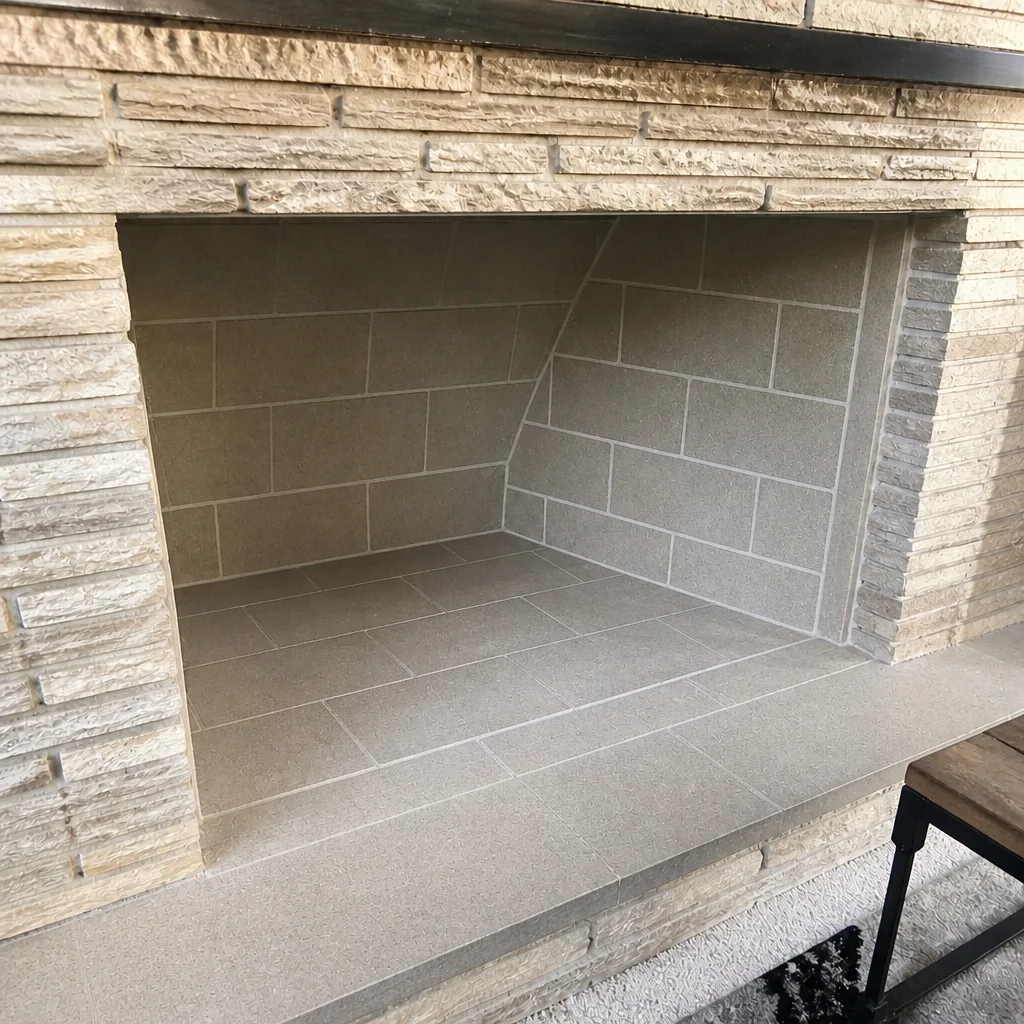
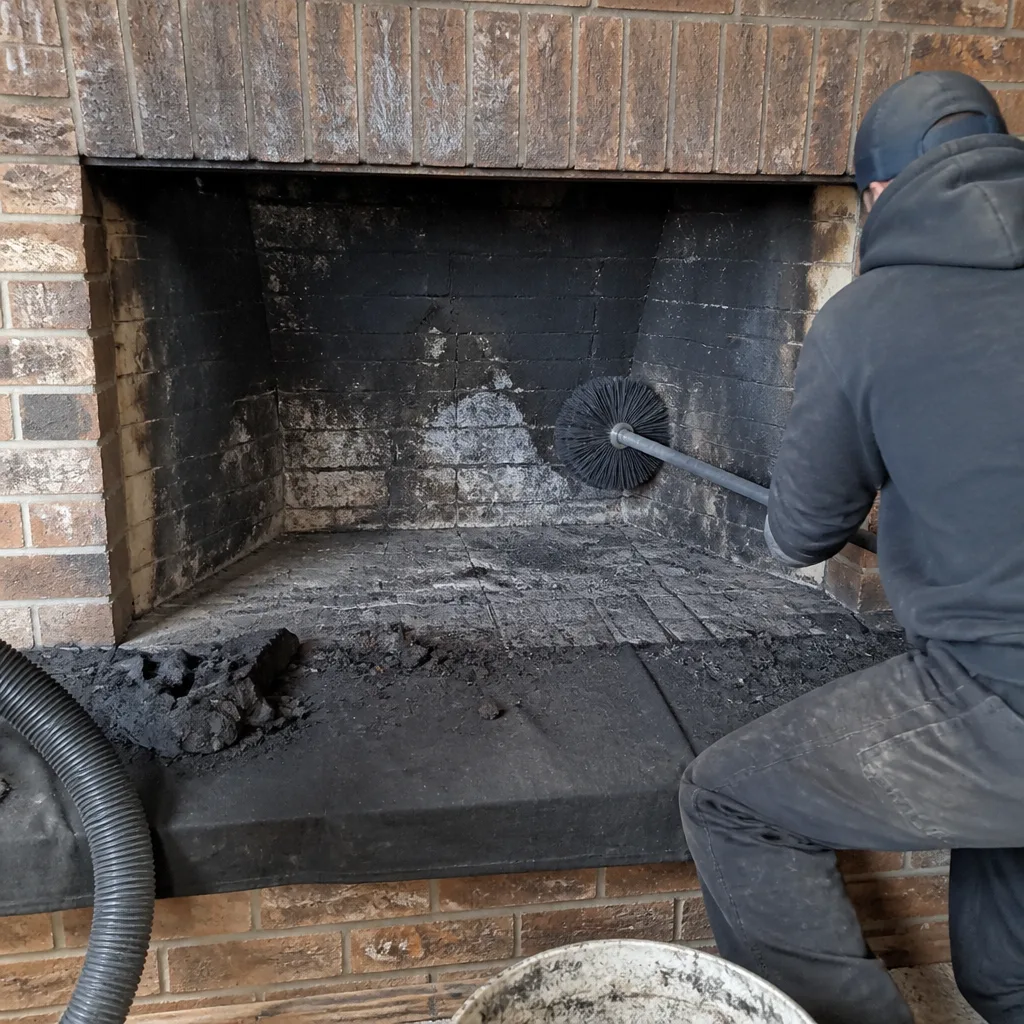
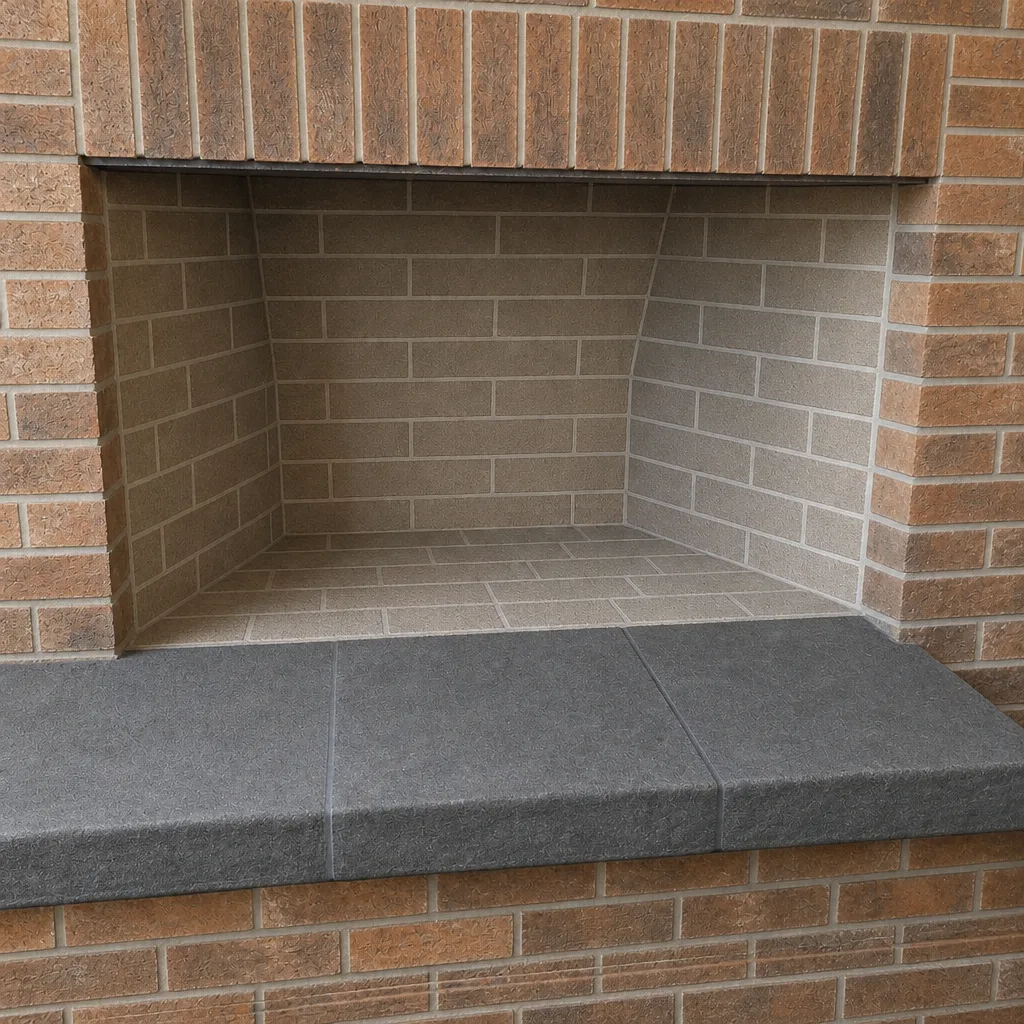
See the difference
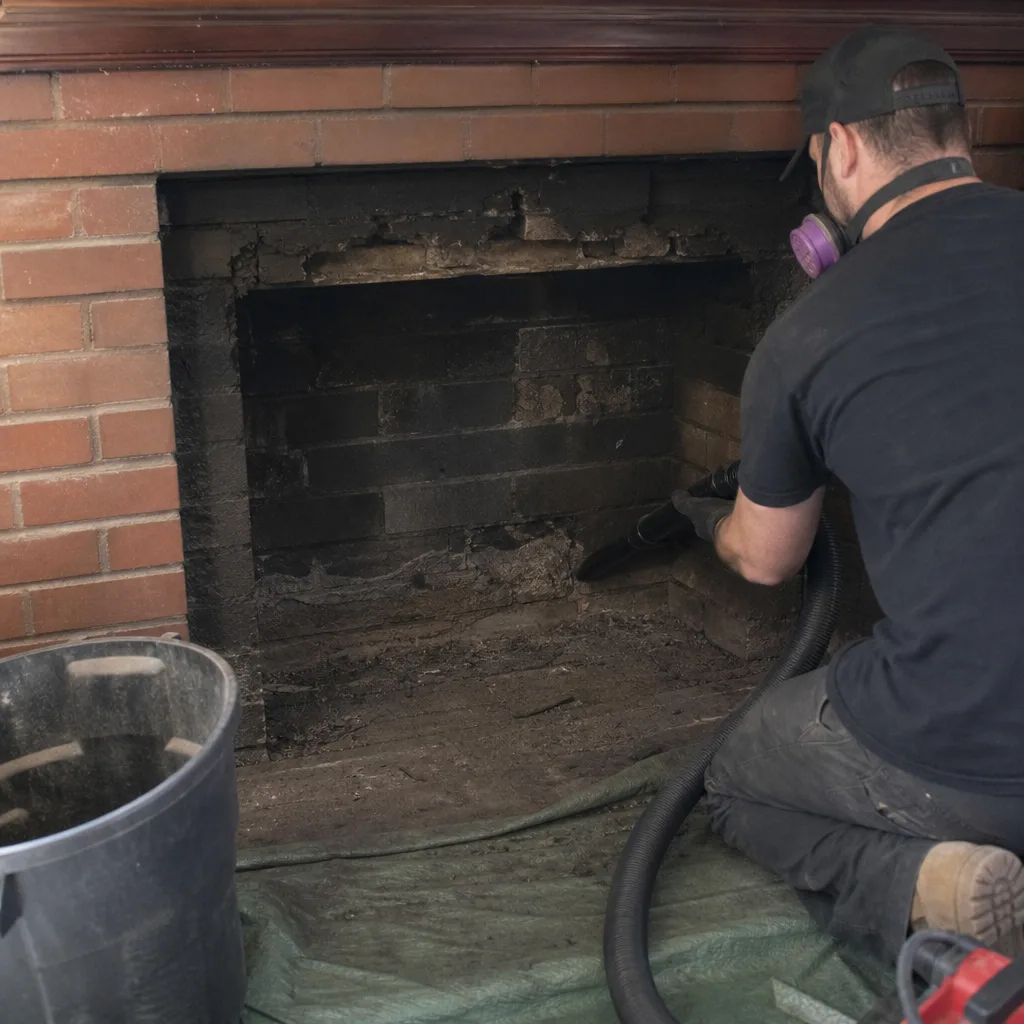 Before
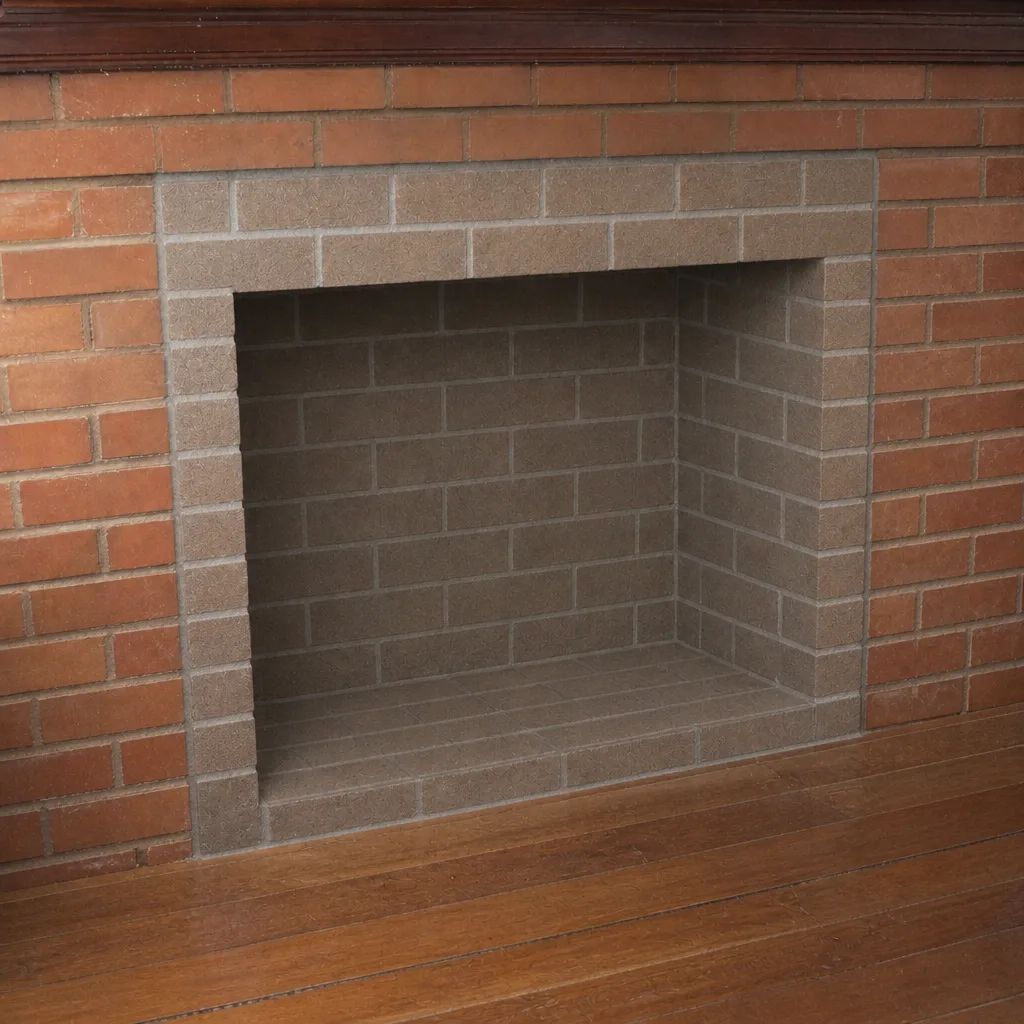 After
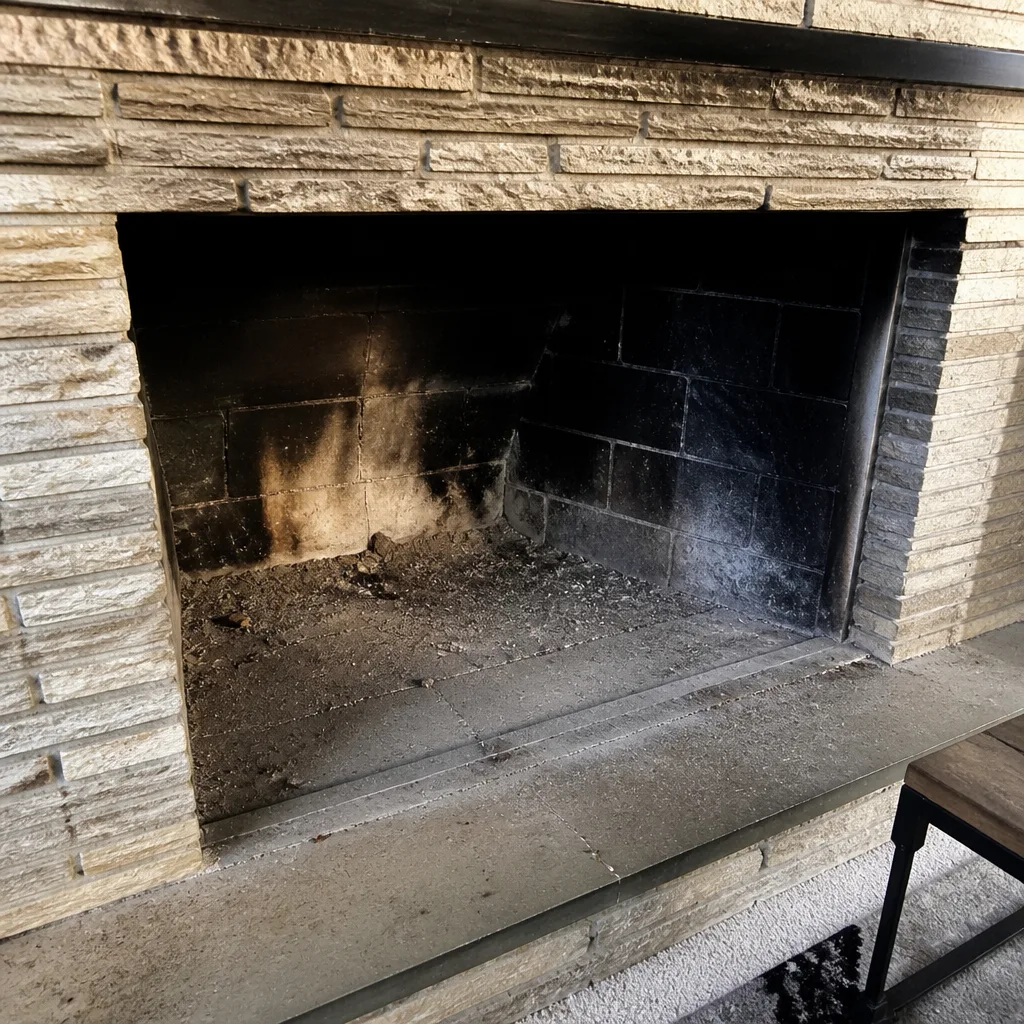 Before
 After
 Before
 After
When to Call a Professional
Some chimney work is routine, and some isn’t. Call a professional when you’re buying or selling a home and need a Level 2 inspection, when you’ve had a chimney fire or a creosote ignition, when you notice staining on the chimney exterior or around the firebox, when the damper won’t operate, when you smell smoke in the house during a burn, or when you’re switching fuels or installing a new appliance. Call before you burn if it’s been more than a year since the last inspection – a blocked or damaged flue is a carbon monoxide risk, and that’s not a problem you want to discover mid-season. Auburn Chimney Sweep Pros offers free estimates in Auburn – call (877) 492-4265. We answer 24/7. Fast dispatch from 7am to 7pm, Sunday through Friday.
Frequently Asked Questions
No. Routine chimney cleaning in Auburn does not require a permit because it’s maintenance, not a modification of the system. Inspections also don’t require a permit. A permit becomes necessary when the work involves repair, liner replacement, installation, or a fuel conversion.
Yes. Liner replacement is a mechanical alteration covered by the Washington State Mechanical Code, and the City of Auburn Building Division issues the permit and inspects the work. Unpermitted liner work leaves no inspection record, which can complicate an insurance claim after a chimney fire. Call (877) 492-4265 for an exact quote – estimates are free.
NFPA 211 is the national standard for chimneys, fireplaces, vents, and solid fuel appliances, and it defines inspection levels, clearances, liner requirements, and repair standards. Washington’s mechanical code incorporates it by reference, so it’s the benchmark the City of Auburn Building Division inspects against. You don’t need to read the standard, but a contractor who can’t explain it is a contractor to avoid.
An annual Level 1 inspection is the baseline for any home with a wood-burning or gas fireplace in regular use. A Level 2 inspection is required when a property changes hands, when the appliance changes, or after a chimney fire. If it’s been more than a year, book the inspection before the next burning season. Call (877) 492-4265 for an exact quote – estimates are free.
It can complicate a claim. Policies generally cover sudden and accidental damage but may exclude damage resulting from non-compliant work. Without a permit and inspection record, you have no third-party documentation that the work met code, and that gap becomes the insurer’s question. A permitted job with an inspection sign-off gives you the paper trail that answers it.
Contact the City of Auburn Building Division and ask for the permit history for your address. Permitted work leaves a record; unpermitted work doesn’t. If you’re buying a home in Auburn, this is worth checking before closing, especially if the listing mentions a recent liner replacement or fireplace installation.
The Bottom Line
Cleaning your chimney in Auburn needs no permit. Repairing it, relining it, or installing a new appliance does, and that distinction is the one homeowners most often miss. The Washington State Mechanical Code activates the permit requirement, NFPA 211 defines the standard the work must meet, and the City of Auburn Building Division enforces it through the permit and inspection process. A permitted job with an inspection record protects you at resale and in an insurance claim. An unpermitted one leaves a gap you can’t see until you need it. Ask every contractor the permit question, keep the paperwork, and get a camera inspection before agreeing to any repair. That’s the whole guide in three sentences.
If you need a sweep, an inspection, or a straight answer about what your chimney actually requires, call (877) 492-4265 for a free estimate. We answer 24/7. Fast dispatch from 7am to 7pm, Sunday through Friday.
Written by the team at Auburn Chimney Sweep Pros.