
Last updated November 25, 2026
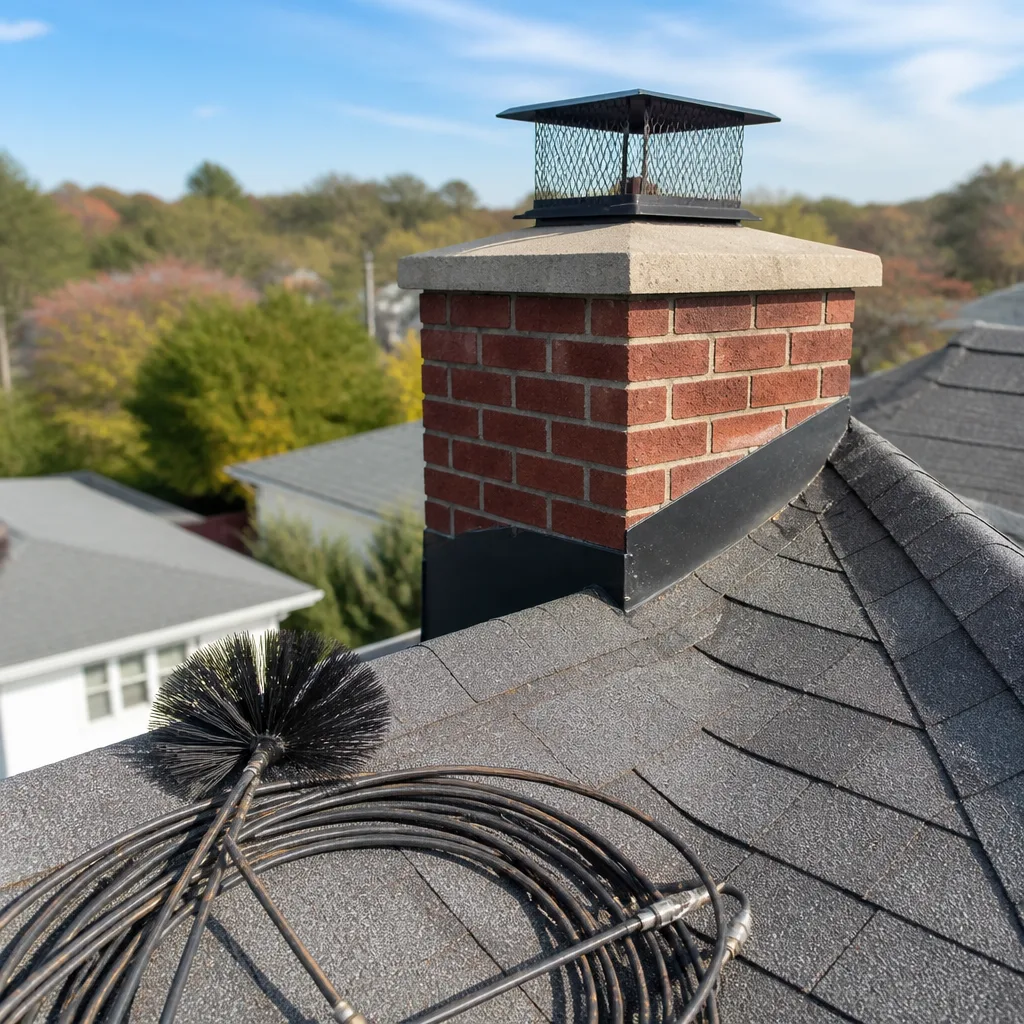 Sweep & inspection
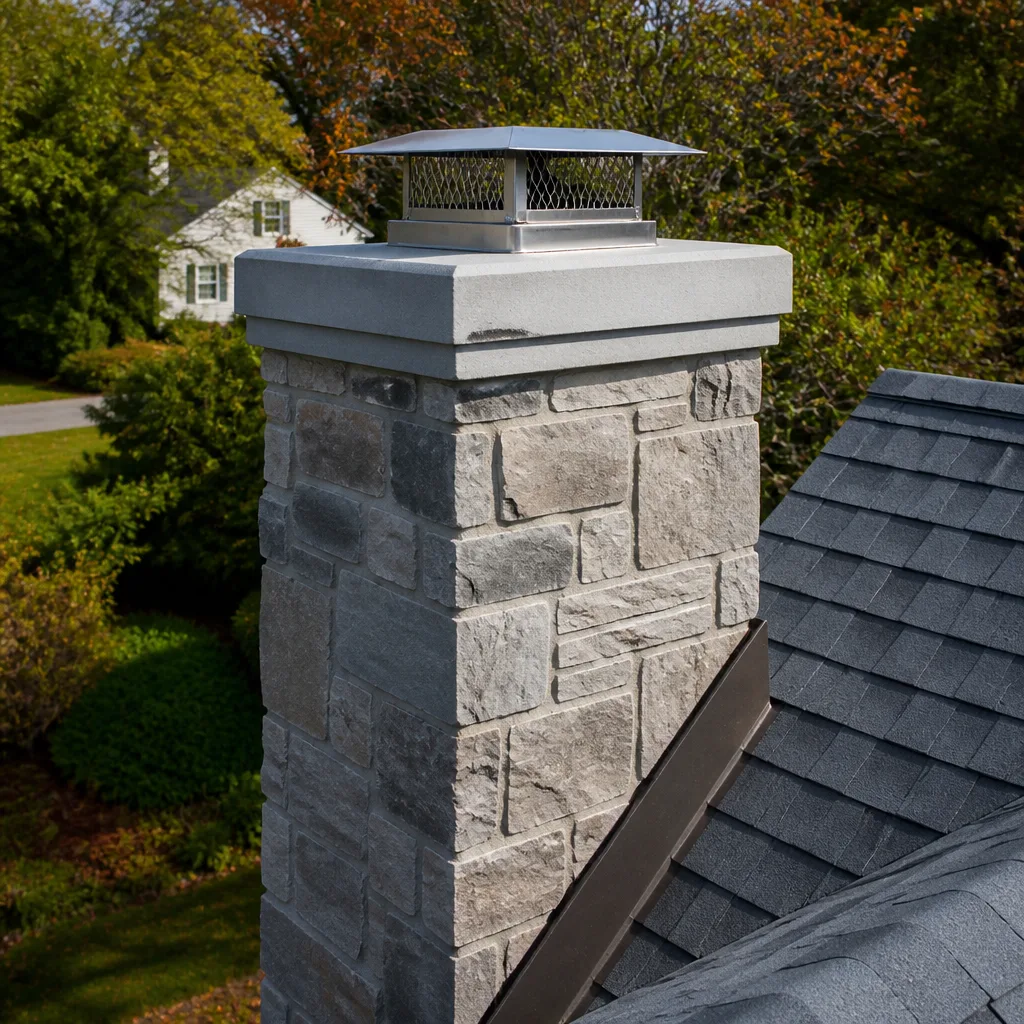 Caps & crowns
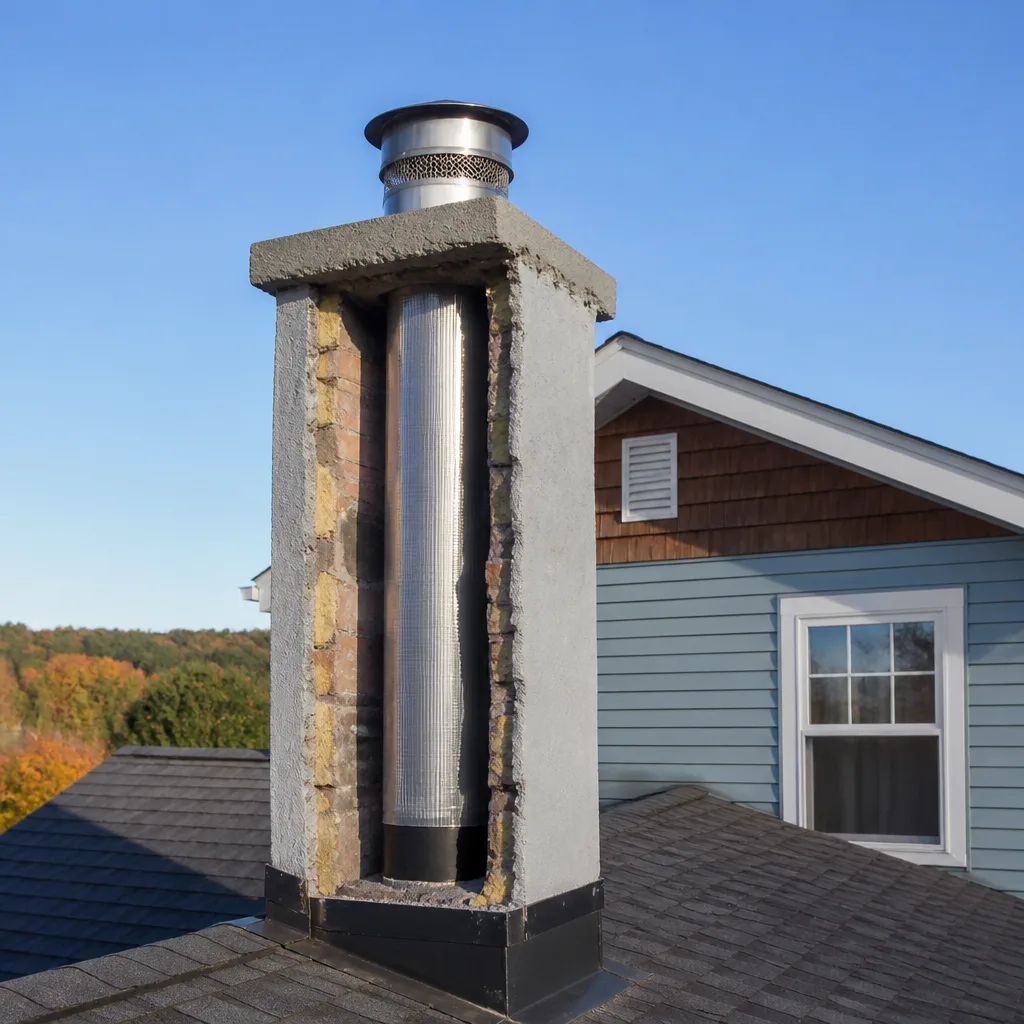 Flue relining
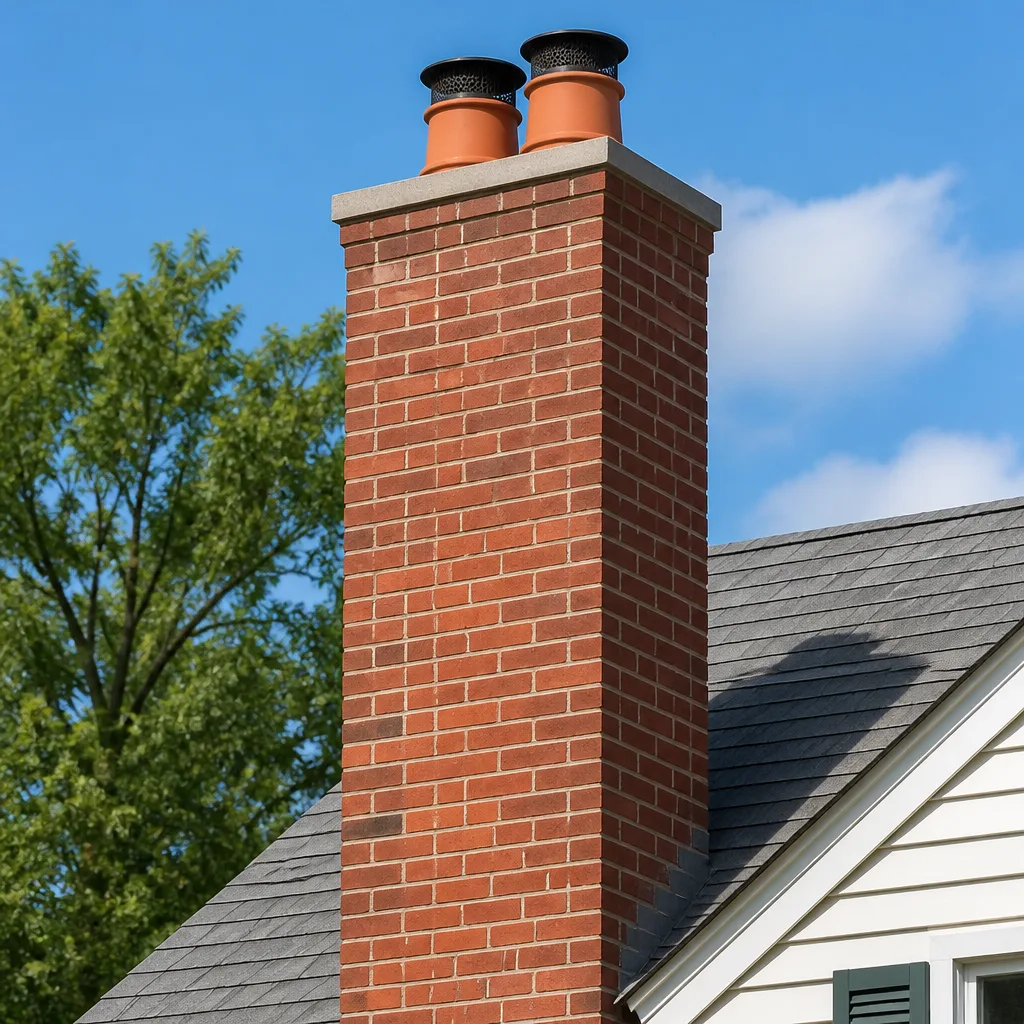 Masonry repair
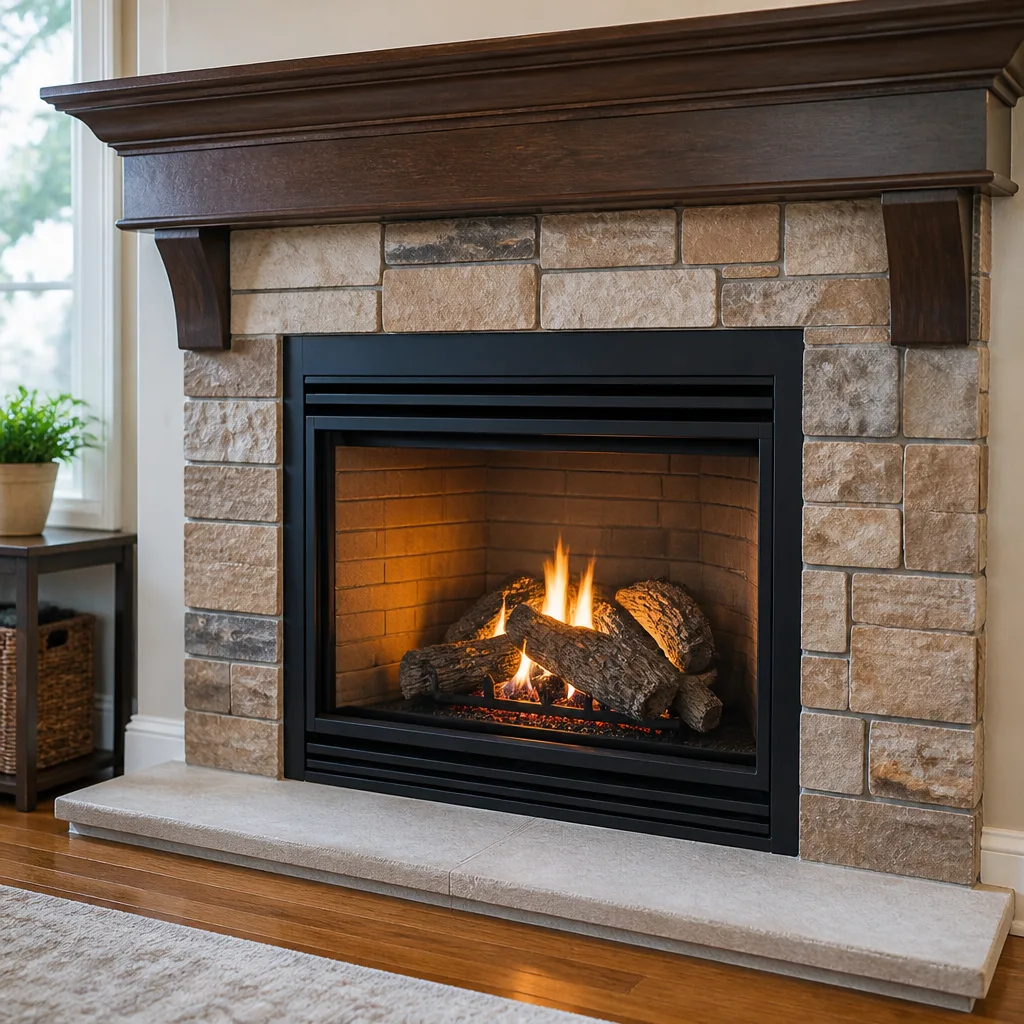 Gas fireplace service
Level 1 sweep and inspection to the NFPA 211 annual standard - flue, crown, cap, and flashing checked and photographed
Chimney sweep logs do not sweep chimneys. They loosen some creosote - which then falls where a brush and vacuum still have to collect it.
Chimney Sweep Maintenance Schedule: What to Do and When
The most repeated advice in this trade is that every chimney needs sweeping once a year, full stop. That single rule is why some homeowners pay for a cleaning they didn’t need, and why others burn a heavily used insert two winters past the point where anyone should have looked at it. Your chimney’s real maintenance timeline depends on what fuel you burn, how much of it you burn, what kind of appliance is connected, and what condition the liner is in. This guide gives you a usage-based schedule you can actually defend, from an Auburn perspective, covering each appliance type, the timing that suits Western Washington’s shoulder seasons, and the tasks you can safely do yourself between visits versus the ones that call for a qualified technician.
Quick Answer
There is no single sweep interval that fits every chimney. A wood-burning fireplace used regularly should be swept based on how much creosote has built up, typically checked each year and swept when deposits reach roughly an eighth of an inch. Gas, pellet, and oil appliances still need an annual inspection even though they produce little or no creosote. The safest framework is an annual inspection for every system and a sweep only when the inspection shows it’s needed.
Styles & brands we work with
- Sweep & inspection
- Caps & crowns
- Flue relining
- Masonry repair
- Gas fireplace service
Table of Contents
- The Appliance Decision Tree: One Chimney, Five Different Schedules
- What “Level of Use” Actually Means (So You Can Self-Triage)
- Why Late Summer Beats Spring in Auburn
- What You Can Do Between Visits vs. What Needs a Technician
- How to Build a Maintenance Log That Satisfies an Insurance Adjuster
- A Twelve-Month Calendar for an Auburn Chimney
- The Three Inspection Levels, in Plain Terms
The Appliance Decision Tree: One Chimney, Five Different Schedules
The first thing to nail down is what’s actually connected to your flue. Two houses on the same block in Auburn can have completely different maintenance needs because one has an open wood fireplace and the other has a direct-vent gas insert. Start with your appliance type, then apply the cadence below.
Open wood fireplace
This is the classic masonry fireplace with no doors and no glass front. It burns inefficiently, sends a lot of smoke and unburned material up the flue, and builds creosote faster than most people expect. Inspect every year. Sweep when the inspection finds enough buildup to matter, which for a regularly used open hearth is often every year or two depending on how much wood you burn.
Wood insert or freestanding wood stove
A modern insert burns hotter and cleaner than an open fire, but it also concentrates the exhaust in a smaller flue. Creosote can still accumulate, and the smaller flue is less forgiving of neglect. Annual inspection, with a sweep driven by measured buildup rather than the calendar. If you burn steadily through the heating season, plan on more frequent cleaning.
Gas insert or gas log set
This is the one most gas owners get wrong. A gas appliance produces almost no creosote, so the flue looks clean and people assume it needs no attention. But a gas flue still collects dust, animal nesting, and debris, and the venting system has its own seals, connections, and clearances that need checking. Inspect it annually, the same schedule as a wood burner. A venting problem on a gas appliance is a carbon monoxide concern, not a chimney fire concern, and that makes the annual inspection just as important as it is next door.
Pellet stove
Pellet appliances burn efficiently but produce ash and fine fly ash that coats the flue over time. Annual inspection is standard. The venting on a pellet stove is often a smaller-diameter pipe, and it can clog more readily than a masonry chimney. Cleaning cadence tracks your tonnage burned more than the season.
Oil furnace flue
If your oil furnace or boiler vents through a chimney, that flue needs an annual inspection too. Oil appliances can leave soot and sulfur deposits, and a blocked or deteriorated flue is a serious safety issue. Many homeowners forget this flue entirely because it isn’t connected to anything they enjoy using. It still needs eyes on it every year.
We install and work with professional-grade venting and liner components from brands like Olympia Chimney and Gelco, which matters when a flue needs to be brought up to current standards. The point of the decision tree isn’t to memorize a rule. It’s to stop applying one blanket schedule to a system that behaves differently depending on what you feed it.
What “Level of Use” Actually Means (So You Can Self-Triage)
Every schedule you’ll read says “based on level of use” without defining it, which leaves homeowners guessing. Here are the measurements that actually let you estimate your own maintenance frequency before you ever pick up the phone.
Cords of wood
A full cord is a stack 4 feet high, 8 feet long, and 4 feet deep. A face cord is a single row of that, roughly a third of a full cord. If you burned less than two full cords last season and your last inspection was clean, you probably don’t need a sweep this year, just an inspection to confirm. If you burned three or more cords, or you burn wet or unseasoned wood, expect to sweep more often because those conditions build creosote faster.
Hours of operation
For gas inserts and log sets, cordage doesn’t apply. Think in hours. A gas insert run for a couple of hours on cold evenings is light use. One left burning steadily through a long Auburn winter is heavy use. Heavy gas use doesn’t create creosote, but it does circulate air and dust through the venting, which argues for a closer look come inspection time.
BTU output and burn quality
A high-BTU appliance run constantly puts more heat and more exhaust through the flue than a small one used occasionally. More important than the number is burn quality. Visible smoke from the top of the chimney, a lazy fire that smolders, or glass that soots up quickly all signal incomplete combustion, which is what builds creosote. If you see those signs, treat your use as heavy regardless of cord count.
Fuel quality
Seasoned wood, split and dried for a full year, burns hot and clean. Unseasoned or “green” wood burns cooler and produces more creosote. In Auburn’s wet climate, wood stored outdoors picks up moisture fast, so covered, elevated storage matters. Wet wood quietly doubles your creosote production.
- Light use: under two cords, occasional gas burning, clean prior inspection. Annual inspection, sweep as needed.
- Moderate use: two to three cords or regular gas use. Annual inspection, sweep likely every one to two years.
- Heavy use: three-plus cords, daily burning, wet wood, or visible smoke. Annual inspection, sweep often each year and check mid-season.
Why Late Summer Beats Spring in Auburn
The standard advice is to book a sweep in spring once the burning season ends. In Auburn and the surrounding Puget Sound region, late summer is the better window. Here’s the reasoning.
Our climate gives us a long, damp shoulder season in spring and early summer. A flue cleaned in April and then left unused through months of rain and humidity is an empty, cool, moist space, and moisture is exactly what masonry and metal flues don’t need. Unused flues can grow mold and harbor moisture, and any small crack or gap in the chimney that went unnoticed in spring has all summer to let water in. Booking an inspection and sweep in August or September means the flue is clean and dry right before you light the first fire, and any repair the inspection turns up can be handled before the wet season settles in for good.
There’s a practical reason too. Late summer is before the seasonal rush, so you get a thorough look instead of a hurried one. The chimney you inspect in the dry stretch of late August is the chimney you’ll actually be burning in September and October.
What to do in spring instead
Spring is still useful, just not as the primary sweep window. It’s a good time for a visual check of the exterior: look for cracked or missing chimney cap, damaged crown, loose flashing, or staining on the masonry that suggests water getting in. Auburn Chimney Sweep Pros handles chimney cap & crown work as part of its scope, and catching a failed cap or crown early is far cheaper than repairing the water damage behind it. The cap and crown are the top of the system, and that’s where most water intrusion starts.
What You Can Do Between Visits vs. What Needs a Technician
Some maintenance is reasonable for a careful homeowner. Some tasks cross a line into either voiding coverage or creating a genuine safety risk. Knowing the difference protects both your chimney and your insurance position.
Tasks you can legitimately do yourself
- Keep the firebox clear of ash and debris between burns, leaving a thin ash bed for a wood fire but removing excess.
- Check the damper opens and closes freely before each season, and note any stiffness for the technician.
- Store firewood covered and elevated, away from the house, so you’re not inviting pests or moisture to the chimney.
- Look up the flue with a flashlight from the firebox and note anything that looks like heavy soot, a cracked tile, or an obstruction.
- Inspect the exterior visually from the ground for obvious damage to the cap, crown, or flashing, and photograph anything that worries you.
- Keep a written log of every fire season, sweep, and inspection, which we’ll cover below.
Tasks that need a qualified technician
- Anything involving the roof or the top of the chimney. Height work is dangerous, and a fall or a dropped tool is a real hazard. Don’t climb your own roof to tend a chimney.
- Liner inspection and any liner repair. Resurfacing a damaged clay-tile liner with a HeatShield system, or installing a new stainless liner, requires training and the right materials. Getting this wrong compromises the whole flue.
- Removing a creosote glaze. The hard, shiny, tar-like stage of creosote is stubborn and is the most fire-prone deposit. It takes professional equipment to clear safely.
- Structural or crown repairs that involve mortar, masonry, or rebuilds.
- Anything that touches clearances to combustible materials, which is where a small mistake becomes a fire risk.
The line to remember: you can watch and record, but leave the hands-on work above the firebox to a technician. If the flue to a working fireplace repair job is itself compromised, no amount of cleaning covers for a damaged liner.
How to Build a Maintenance Log That Satisfies an Insurance Adjuster
If you ever file a chimney-related claim, the adjuster’s first question is whether the system was reasonably maintained. A simple, consistent log answers that question without argument. You don’t need anything fancy, just a record that shows you were watching.
- Start one page per chimney. One document for one flue. If you have a fireplace and a separate furnace flue, keep two logs.
- Record each fire season by date range and fuel. “Nights and weekends, October through March, roughly two cords of seasoned fir.” That single line tells an adjuster what the system was actually doing.
- File the inspection report and invoice after every professional visit. Note the date, the inspection level, what was found, and what was done. Keep the technician’s written findings, not just a receipt.
- Photograph the exterior once a year. A dated photo of the cap, crown, and flashing builds a simple visual history of the roof-level condition.
- Log any homeowner checks you performed: damper function, ash removal, wood storage changes.
- Keep the log with your homeowner policy documents so it travels with the account.
When a professional inspection comes with a written report and photographs, that document becomes the backbone of your log. In our experience, a clean paper trail is what turns a contested claim into a straightforward one. It’s also what tells you, years later, exactly when the cap was last looked at or the liner was last assessed.
A Twelve-Month Calendar for an Auburn Chimney
Here’s the full year laid out. Timings shift a little based on how early your first cold snap arrives, but the shape of the schedule holds from year to year.
Late summer (August to September): the main event
Book the annual inspection and, if the inspection shows buildup, the sweep. This is the window that gets you a clean, dry flue before the burning season and gives the technician time to address anything the inspection turns up. It’s also your best look at the venting while the weather is reliably dry. Compare notes with a chimney sweep ahead of this window so you’re not booking into the first cold snap.
Early fall (late September to October): the exterior and the cap
Before the rains settle in, confirm the cap and crown are sound, check the flashing, and note any new staining or spalling on the masonry. Anything that needs repair should be scheduled now, not mid-winter. Water intrusion is the slow, quiet cause of most chimney damage, and it starts at the top.
Burning season (October through March): check and record
If you’re a heavy user, a mid-season inspection or at least a careful look up the flue is worth doing. Watch for visible smoke at the top of the chimney, sooty glass, or a fire that’s hard to keep burning. Note anything unusual in your log. If the season is going long, this is where heavy use separates itself from light use.
Late winter to early spring: the wind-down
Once you stop burning, note the season’s total in your log. This is not the primary sweep window in Auburn because of the damp months ahead, but it’s a good time for a quick interior look and to schedule any parts of the full-year plan.
Spring and early summer: the quiet check
A visual exterior inspection and a good exterior clean of the cap and roof-level components. Confirm nothing has come loose over the winter. If a repair is needed, this is the season to do it, with plenty of dry weather ahead to let any masonry or crown work cure properly.
The Three Inspection Levels, in Plain Terms
Professional chimney inspections come in three levels, and a good inspector matches the level to what the situation calls for. Knowing the difference helps you ask the right questions.
- Level 1: a visual inspection of readily accessible parts of the system, with the appliance connected and in service. This is the standard annual inspection for a system in known condition that hasn’t changed and hasn’t been through an event.
- Level 2: a more thorough inspection that includes accessible parts of the attic, crawl space, and the chimney’s exterior, and uses a camera to see inside the flue. This is called for when you’ve changed appliances, moved in, had a chimney fire, or had a weather event, or when a Level 1 turns up something that needs a closer look.
- Level 3: the most involved, where parts of the chimney or surrounding structure are opened up for investigation. This is reserved for cases where a problem is suspected but can’t be seen any other way.
A camera inspection matters because the inside of your flue is the part you can’t see and the part that fails. When we recommend Auburn Chimney Sweep Pros and its full range of chimney work, the inspection is offered as its own standalone service too, precisely so that a routine annual inspection is a diagnostic you can book without a bundle attached. If the flue is in good condition, you’ll hear that, and the honest answer is worth more than a pushy upsell.
Because HeatShield resurfacing is part of our scope, a Level 2 that finds a deteriorated clay liner doesn’t automatically mean a full replacement. In many cases the liner can be restored with HeatShield rather than torn out, which is a materially different outcome than what a sweep-only operation would tell you.
What to have ready before an inspection
Clear access to the firebox and the roof-level components, note of when you last burned and what fuel you used, and your maintenance log. That gives the technician a baseline and lets the inspection be a proper check rather than a best guess.
Common Mistakes to Avoid
- Applying the same schedule to a gas appliance as a wood one, or the reverse. A gas insert still needs an annual inspection even though it produces almost no creosote. A heavy wood burner needs more frequent sweeps than once a year in some cases. Treat each flue on its own terms.
- Sweeping in spring and assuming that’s the end of it. In Auburn’s damp shoulder season, a spring sweep followed by a wet, idle summer is the wrong order. The late-summer window gets your flue clean and dry right before you burn.
- Ignoring the cap and crown until water shows up inside. The cap and crown are the first line of defense against water intrusion, and most chimney damage starts at the top. Check them in spring, not after the stain appears.
- Climbing your own roof to sweep or inspect. The top of a chimney is exactly where a fall happens. That’s a job for a trained technician, not a homeowner on a ladder.
- Burning wet wood and wondering why the flue is dirty. Unseasoned wood produces far more creosote. Store firewood covered and elevated, and season it fully, especially in our wet climate.
- Letting a big pile of ash sit in the firebox for months. Excess ash collects moisture and can hold debris. Clear it out between seasons, and note the state of the firebox in your log.
- Keeping no maintenance record at all. Without a log, you have no defense if you ever file a claim, and no timeline of when the liner or cap was last assessed. One page per flue is enough.
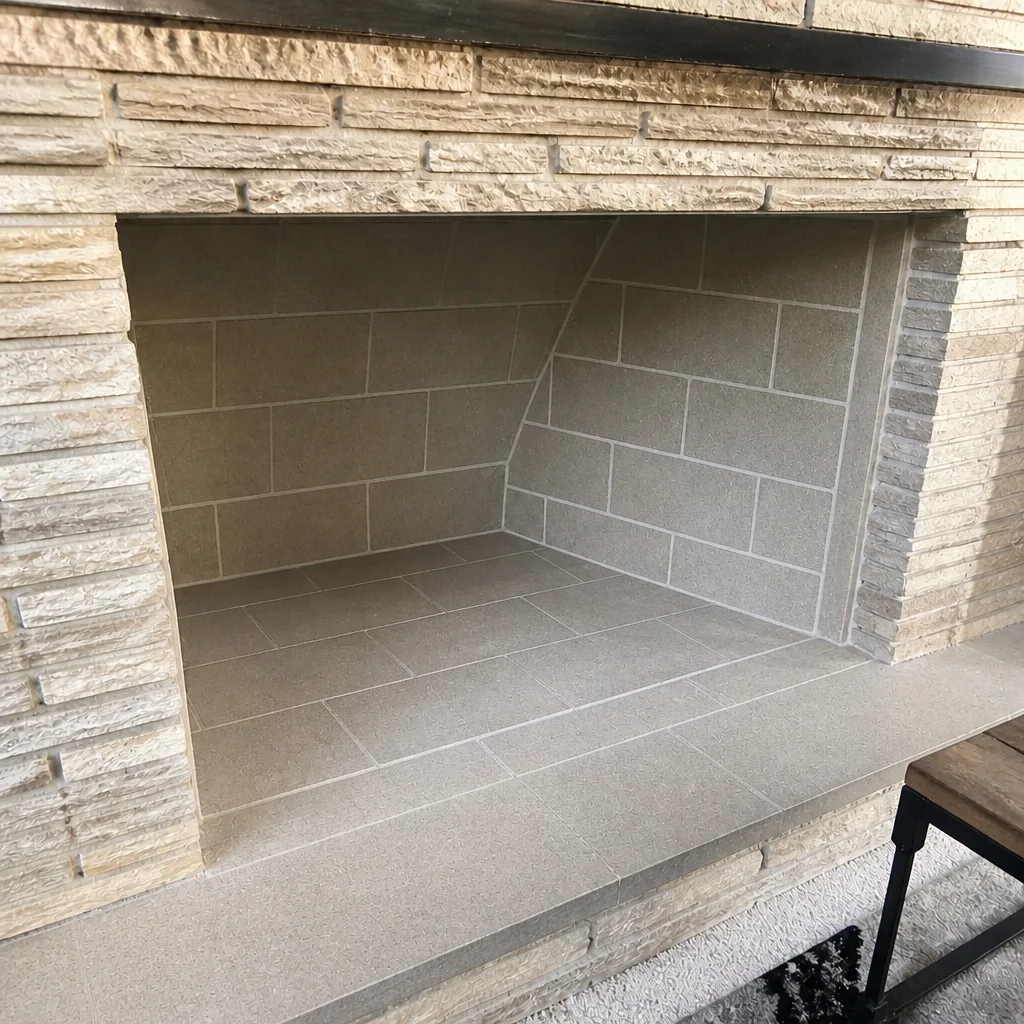
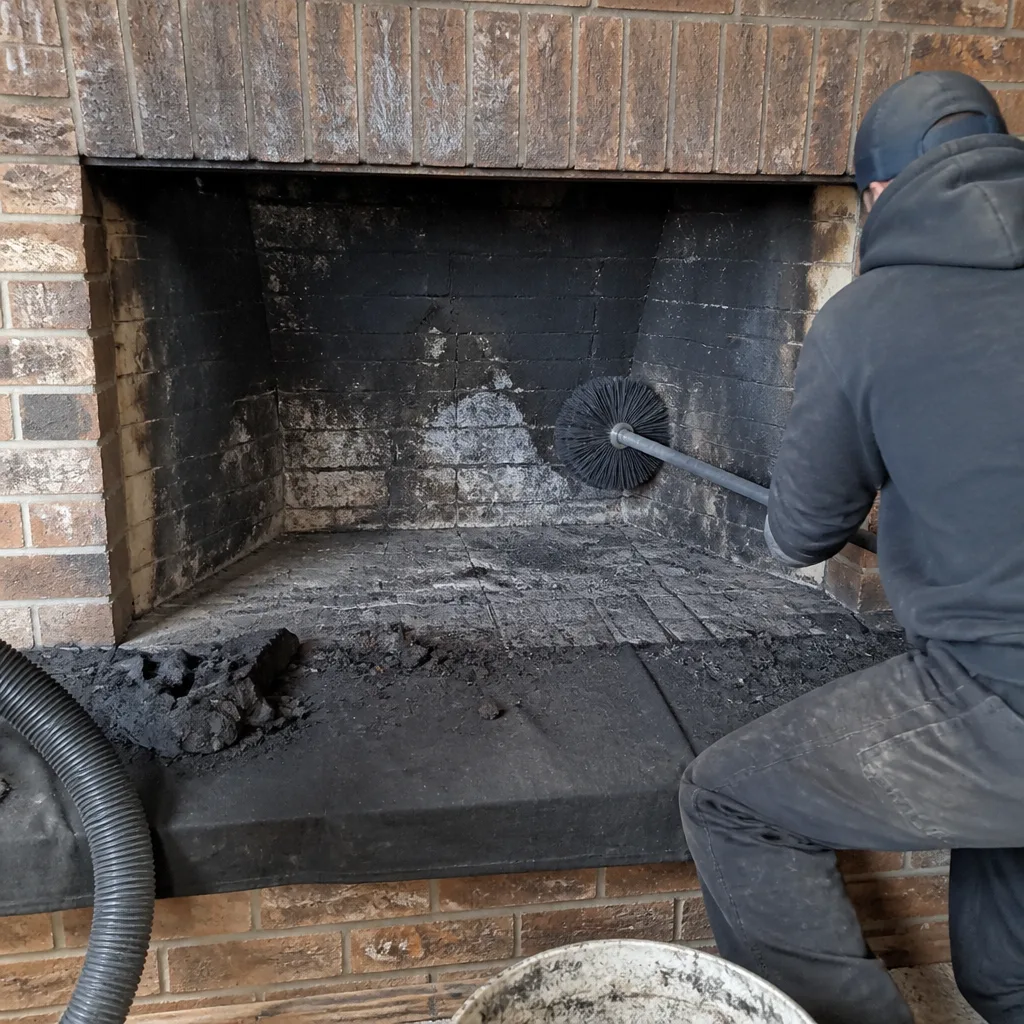
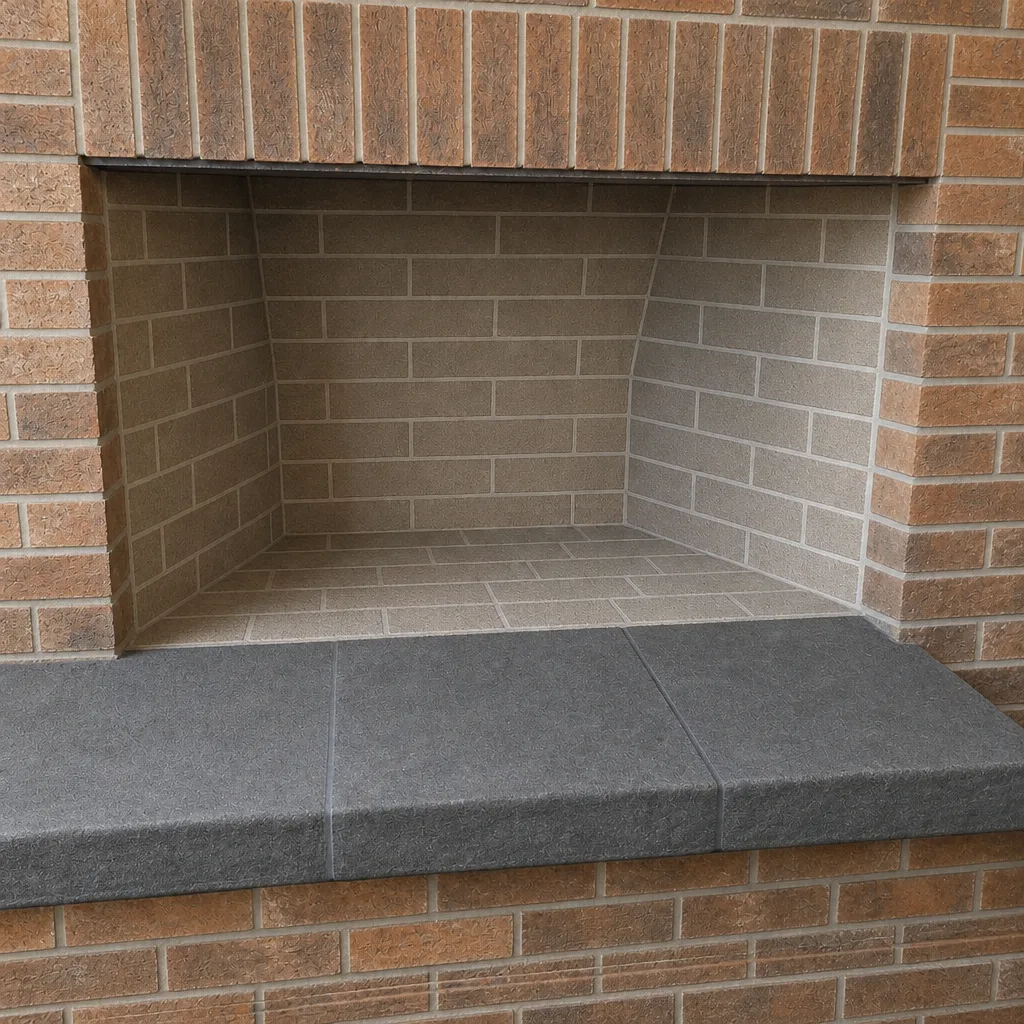
See the difference
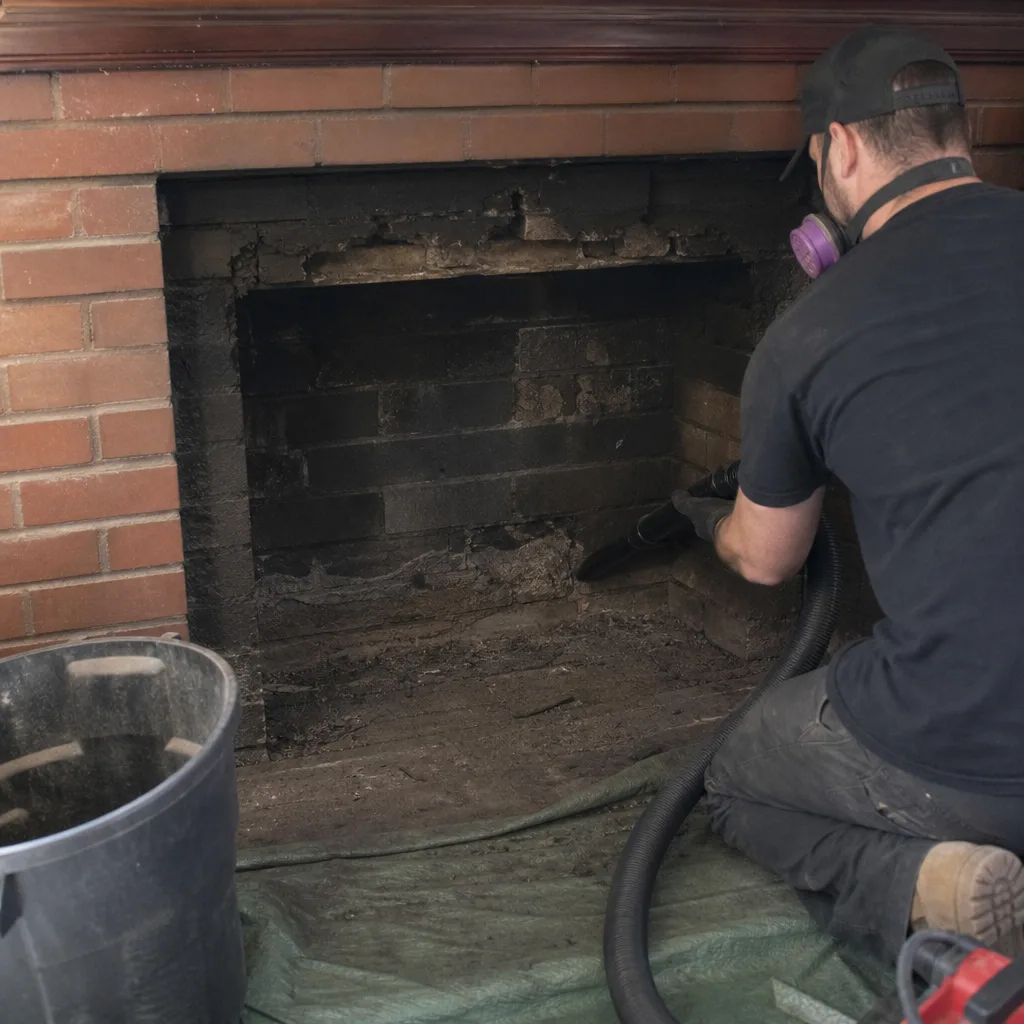 Before
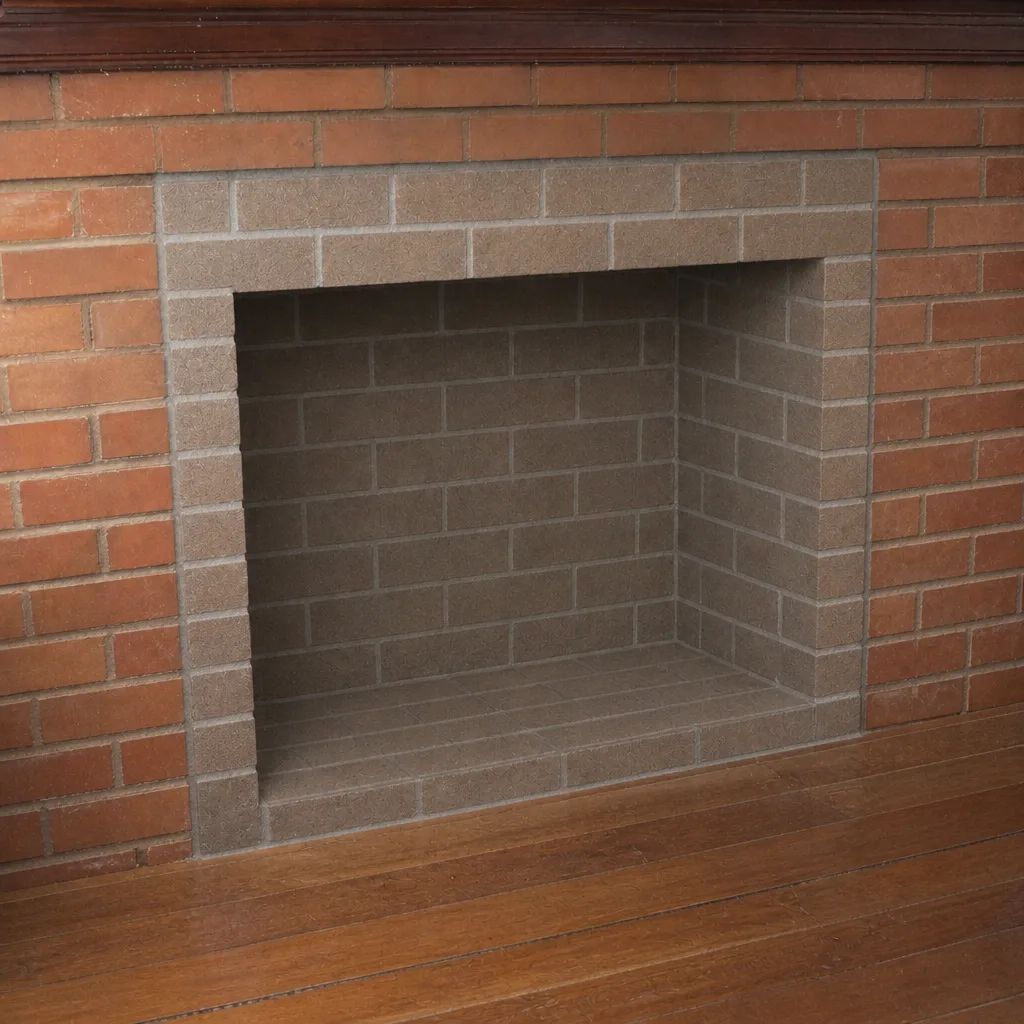 After
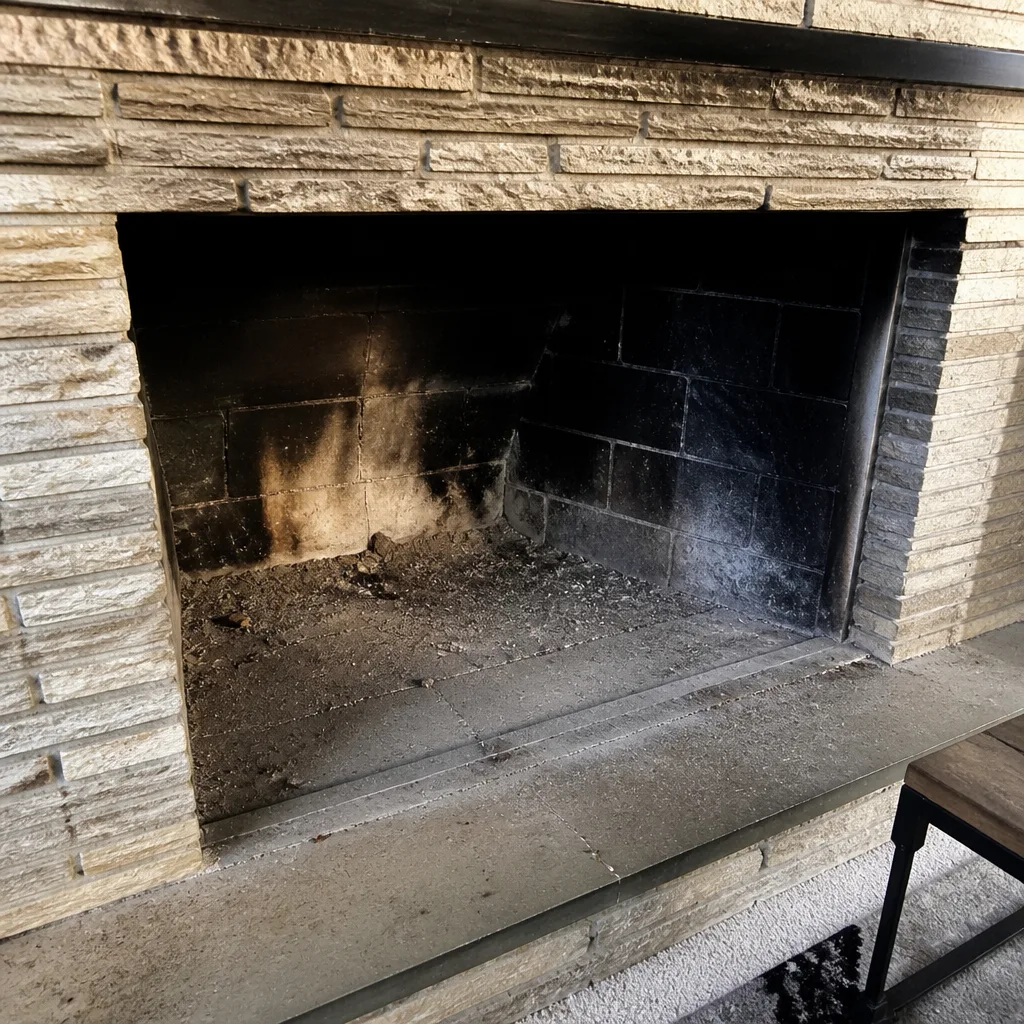 Before
 After
 Before
 After
When to Call a Professional
Call a professional when any of the following applies: you can’t remember the last time the flue was inspected; you’ve just moved into an Auburn home and don’t know the system’s history; you’ve changed appliances; you’ve had a chimney fire or any event you suspect involved one; you’ve noticed visible smoke at the top of the chimney, sooty glass, or a fire that’s hard to keep going; you see cracked or missing masonry, a damaged cap or crown, or staining that suggests water getting in; or your burning season has been heavy enough that the creosote may have reached a serious stage. If any of those fit, don’t wait for the calendar. A chimney sweep and inspection now is the safer call.
Auburn Chimney Sweep Pros offers free estimates in Auburn. Call (877) 492-4265. We answer 24/7, with fast dispatch from 7am to 7pm, Sunday through Friday. All five core services are here under one company, from sweeps and inspections to chimney repair and cap and crown work, so you’re not sourcing multiple contractors for one system.
Frequently Asked Questions
It depends on your appliance and how much you burn. A wood-burning fireplace or insert used regularly is usually inspected each year and swept whenever the inspection measures enough creosote, often every year or two. A gas, pellet, or oil appliance still needs an annual inspection even though it produces little or no creosote. Call (877) 492-4265 for a free estimate, and we’ll tell you what your specific system actually needs.
Yes, for most systems. A gas insert can sit idle for months without creosote but still collects dust and debris, and the venting connections need checking. A wood system that saw light use still deserves an annual look, because the inspection is what tells you whether a sweep is needed at all. Call (877) 492-4265 and book a standalone inspection; it’s a diagnostic in its own right, not a bundle.
Creosote builds up quietly until it reaches a stage that’s hard and fire-prone, and a blocked or deteriorated flue stops venting properly. On a gas or oil appliance, the concern escalates to carbon monoxide. Nothing here needs to be dramatic, but a neglected flue is a real fire and health risk, not just a maintenance item. Call (877) 492-4265 for an inspection and a straight answer on what condition your flue is actually in.
No. A chemical sweeping log can loosen some creosote, but it does not remove the hard glaze or clean the flue the way professional equipment does, and it can’t inspect the liner or the cap and crown. It’s not a substitute for a technician’s sweep. Call (877) 492-4265 and let a technician check the real condition of your flue.
Yes, on the same annual inspection schedule as a wood burner. The reason different: a gas appliance barely produces creosote, but it produces dust and debris and depends on sealed venting that can fail. An annual inspection catches a venting problem before it becomes a carbon monoxide concern. Call (877) 492-4265 to book an inspection.
Late summer, ideally August or September. A late-summer sweep leaves your flue clean and dry right before the burning season, gives any repair time to be handled before the wet season, and gets you in before the seasonal rush. In our damp climate, that’s a better plan than the traditional spring sweep. Call (877) 492-4265 to schedule into the late-summer window.
The Bottom Line
The maintenance schedule that actually protects an Auburn chimney is the one matched to its appliance and its use, not a blanket annual rule. Wood systems get an inspection each year and a sweep based on measured buildup. Gas, pellet, and oil systems get an annual inspection even though they produce little creosote. Late summer beats spring as the sweep window here because the damp shoulder season is the wrong time to leave a flue idle and wet. Check the cap and crown in spring, log your seasons, and leave the work above the firebox to a technician. That’s the schedule that keeps a chimney safe to burn in.
From an annual sweep to full liner restoration, the right material for the repair matters, and we work with HeatShield, DuraFlex, Olympia Chimney, and other professional-grade products to make sure the fix holds. Whether you’re due for a sweep, a standalone inspection, or a repair, one company can cover the whole system. Call (877) 492-4265 for a free estimate. We answer 24/7, with fast dispatch from 7am to 7pm, Sunday through Friday.
Written by the team at Auburn Chimney Sweep Pros.