
Last updated November 25, 2026
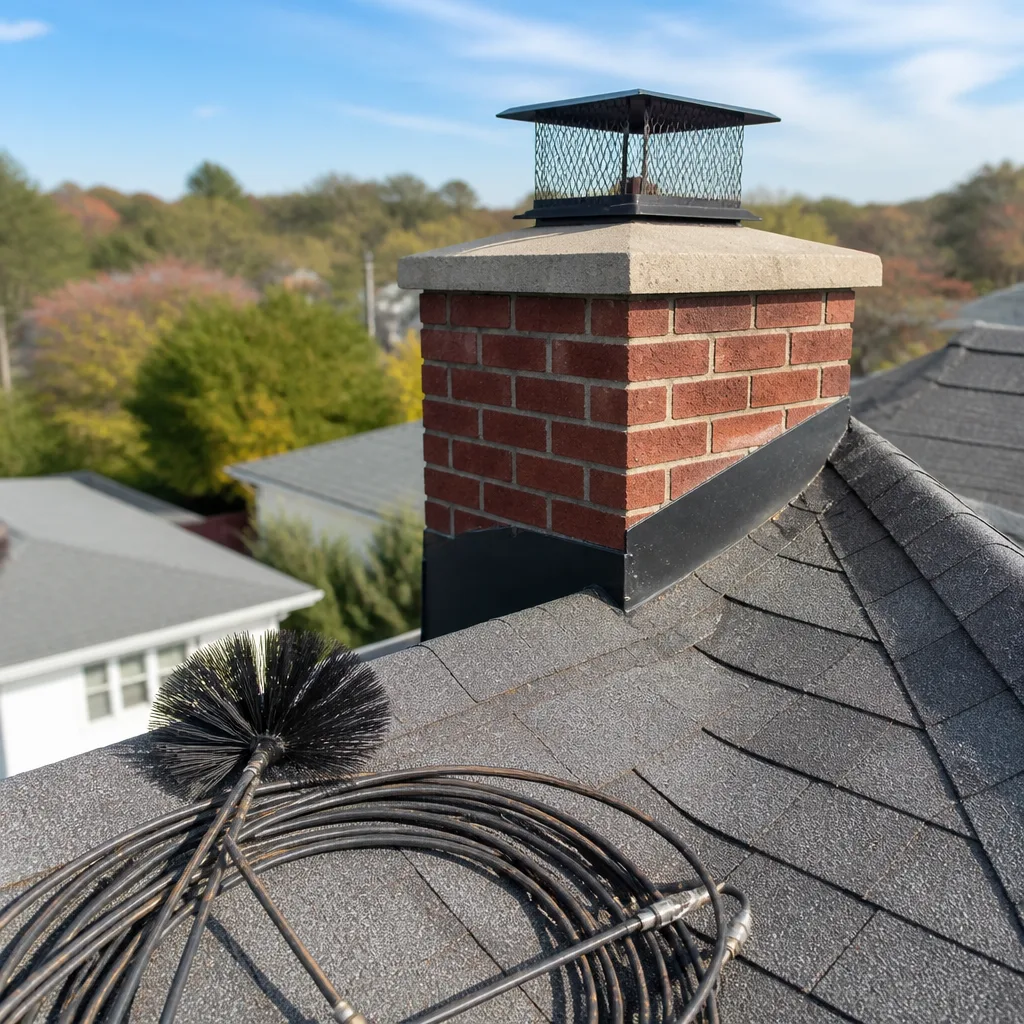 Sweep & inspection
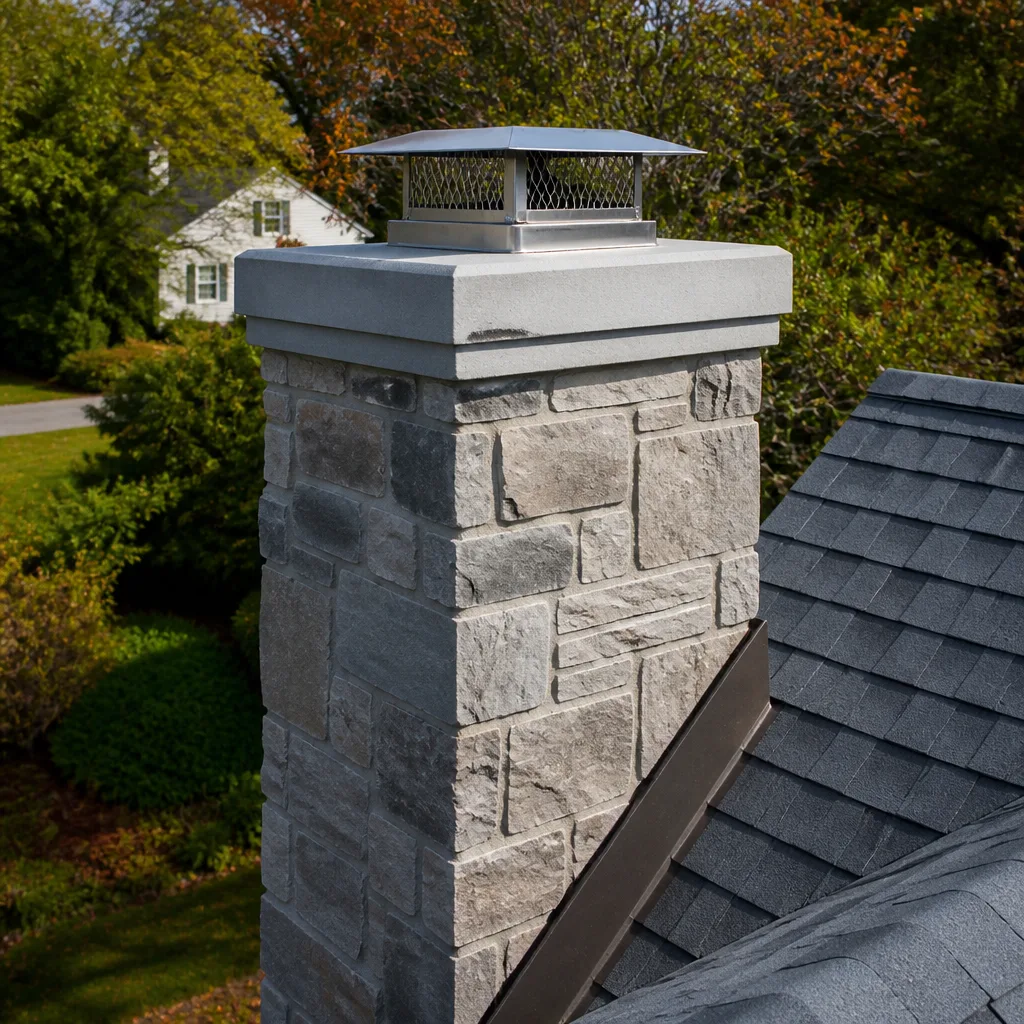 Caps & crowns
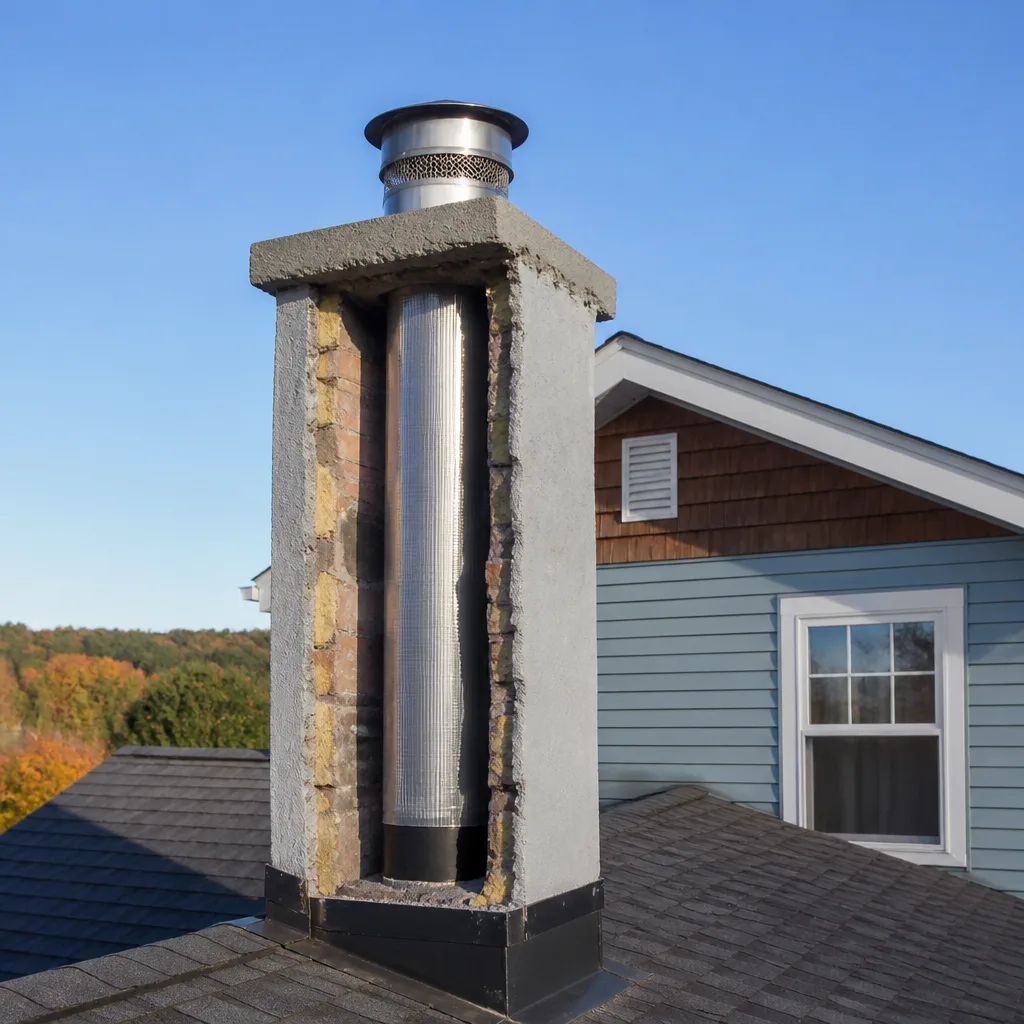 Flue relining
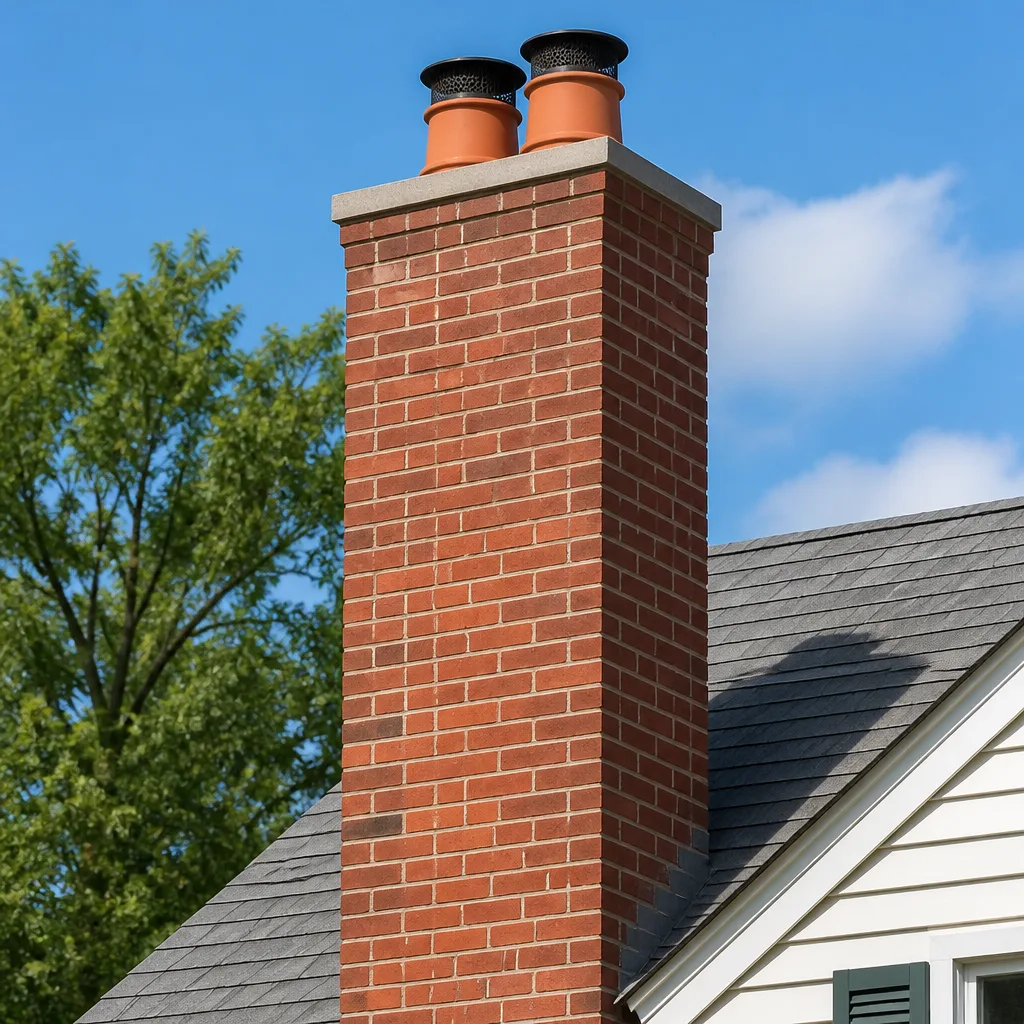 Masonry repair
 Gas fireplace service
Level 1 sweep and inspection to the NFPA 211 annual standard - flue, crown, cap, and flashing checked and photographed
Chimney sweep logs do not sweep chimneys. They loosen some creosote - which then falls where a brush and vacuum still have to collect it.
Choosing the Right Chimney Cleaning Brand: A Buyer’s Guide for Auburn
Creosote sweeping logs sit on the shelf at every hardware store in Auburn, and they do something real: the chemicals in them change how creosote bonds to the flue. But they don’t remove creosote, and a homeowner who leans on them instead of booking a sweep is making the next cleaning harder, not easier. That gap between what a product does and what people think it does is the whole reason this guide exists. We’ll walk through the main categories of chimney cleaning products sold for interim maintenance, explain the mechanism behind each one, and show you how to read a product label and a certification badge so marketing claims don’t outrun the facts. By the end you’ll know which products support a healthy chimney, which ones give false confidence, and when the right call is a professional sweep rather than another bottle.
Quick Answer
The right chimney cleaning product is usually the one that supports professional maintenance rather than replacing it. Creosote modifiers can soften hardened deposits between sweeps, vapor-permeable sealers protect brick from rain without trapping moisture, and deodorants only mask odor without fixing its source. Products that claim to clean a flue, seal it shut, or eliminate the need for sweeping are the ones to avoid, especially on Auburn’s damp, rainy-side-of-the-Cascades brick. Professional materials like HeatShield and DuraFlex aren’t sold retail because they require a trained installer, and that restriction exists for a reason.
Styles & brands we work with
- Sweep & inspection
- Caps & crowns
- Flue relining
- Masonry repair
- Gas fireplace service
Table of Contents
- Why Most Chimney Cleaning Products Don’t Do What You Think
- Creosote Modifiers: What They Actually Do
- Waterproofing Sealers and Auburn Brick
- Deodorants, Odor Products, and the Symptom Trap
- Why Professional Materials Aren’t Sold Retail
- How to Read a Product Label and a UL Badge
- Product or Service? A Decision Framework
- How Auburn’s Climate Changes the Product Equation
Why Most Chimney Cleaning Products Don’t Do What You Think
Chimney products sold to homeowners fall into a few narrow categories: creosote modifiers, waterproofing sealers, deodorizers, and accessories like brushes and vacuums. Each one is designed to do one small job well. The confusion comes when a manufacturer’s marketing stretches that small job into a claim that sounds like professional chimney cleaning. A bottle labeled “chimney sweep in a can” is not a chimney sweep. A spray that claims to eliminate creosote buildup is not removing a hard glaze from a flue wall.
Here’s the honest split:
- Products that genuinely help: creosote modifiers used correctly as part of a maintenance routine, vapor-permeable waterproofing sealers on exterior masonry, and consumer-grade brushes for light surface work between professional visits.
- Products that help a little but are oversold: chimney deodorants and odor-neutralizing sprays. They reduce smell, but they do nothing about the cause.
- Products to be skeptical of: any spray or powder claiming to fully clean a chimney, “self-cleaning” fireplace additives, and paint-over sealants that trap moisture inside brick.
In our experience across Auburn, the products that cause the most damage are the ones that create a feeling of having addressed the problem. A homeowner who smells smoke in the living room, buys a deodorant, and skips the sweep is one heating season closer to a real chimney fire. That’s not because the deodorant is dangerous. It’s because the underlying problem kept building. The most useful thing any chimney product can do is support a sweep schedule, not replace it. If you’re already overdue, book a chimney sweep before you spend money on consumables.
Creosote Modifiers: What They Actually Do
Creosote sweeping logs and powders rely on metal salts, usually copper compounds, that oxidize at firebox temperatures. That chemical reaction changes the structure of creosote deposits: it makes them more brittle, more friable, and easier to brush off the flue wall. That’s the mechanism, and it’s real. What the salts cannot do is remove creosote that’s already hardened into a glaze, and they can’t reach deposits above the smoke shelf that no heat path reaches.
Read the label on any creosote log sold in Auburn and you’ll find language like “use between professional cleanings” and “does not replace chimney sweeping.” Those aren’t legal disclaimers. They’re the manufacturer telling you exactly what the product is designed to do, and the same limitation appears on the professional-grade modifiers our technicians work with.
What a Creosote Modifier Is For
- Soften stage-two creosote between professional visits. If deposits are crusty and flaky but not glazed, a modifier can make the next sweep easier.
- Reduce future buildup when burned with properly seasoned wood. The modifier isn’t the variable that matters most. Wood moisture is.
- Support a maintenance rhythm. Once a season alongside your scheduled sweep is a common pattern in Auburn homes.
What It Cannot Do
A creosote modifier can’t remove stage-three glazed creosote, that hard, shiny, tar-like layer that forms in fireplaces run low and slow or with unseasoned wood. Glazed creosote is the dangerous kind, and it also bonds harder to the flue once oxidized. That’s the trap: a homeowner who thinks the log is cleaning their chimney may actually be making the glaze harder for the next sweep to lift. In our experience, this is the single biggest misconception around creosote products. If your flue has visible glaze, or if you’re burning wood that wasn’t dried down properly, the product is not the solution. A professional sweep with the right rotary tools is.
Waterproofing Sealers and Auburn Brick
Water is the most common cause of chimney damage in the Seattle metro, and Auburn’s rainy, cool climate puts masonry through a lot of cycles of getting soaked and drying out slowly. Waterproofing is the right instinct. The choice of product matters enormously, and the wrong type will make the problem worse rather than better.
Vapor-Permeable Sealers: The Right Kind
A vapor-permeable sealer, often called breathable masonry sealer, coats the brick at a molecular level and blocks liquid water from soaking in while allowing water vapor to escape outward. That matters because brick isn’t solid. It’s porous, and any moisture that finds its way inside has to be able to dry. A breathable sealer lets that happen. Applied correctly, it slows the freeze-thaw damage, salt migration, and spalling that wet brick goes through over a decade of Auburn winters.
Paint-Over Products: The Wrong Kind
Products that seal brick with a film, whether elastomeric paint, a silicone coating, or any “rubberized” sealer, trap moisture inside the masonry. The brick absorbs water from the inside of the flue, from the ground, and from any interior humid air, and when that moisture can’t get out it pushes against the layer that’s holding it in. Repeated freeze-thaw cycles in Auburn then break the brick surface apart from the inside. Spalling usually starts at the crown and shoulders and spreads. Once it’s started, no sealer repairs it; it only slows what’s already happening.
How to Tell Which You Have
- Breathable: the brick still looks like brick after application, water beads on the surface, and the label lists vapor transmission as a performance figure.
- Film-forming: the brick looks painted, has a uniform film or sheen, and the label advertises “complete barrier” protection.
If you’re not sure what’s already on your chimney, don’t apply anything over the top. Ask a professional to look at it, because adding a film-former over an existing breathable coat can be worse than doing nothing. Our chimney cap & crown and repair work usually includes a look at the exterior above the roofline for exactly this reason.
Deodorants, Odor Products, and the Symptom Trap
Chimney deodorants are the easiest chimney products to sell because they seem to solve a fast, visible problem: the smell. A fireplace that smells smoky on warm days, or musty in the off-season, is a common complaint in Auburn, and a scented firebox spray or hanging deodorizer can neutralize what you smell. That’s fine. What matters is knowing that odor is a symptom with several possible causes, and only some of them are safe to ignore.
What Odor Type Actually Tells You
- Smoky smell when the fireplace is off: usually backdraft or a marginal draft. Common in tighter, newer Auburn homes and often fixed with cap or height changes rather than a product.
- Musty or damp smell: often indicates water inside the chimney system, sometimes leaking around a missing cap or failed crown. A deodorant won’t fix the water; it’ll just hide the warning.
- Sharp, acrid, chemical smell: can point to creosote off-gassing or, more seriously, a flue that’s flaking. This is the one you should not treat with a deodorant.
- Sulfur or rotten-egg smell: not a normal chimney smell and worth a professional look before you burn again.
Odor products are for homes that have been inspected and found in good order, and where the smell is genuinely just the creosote scent that comes from normal use. They are not a fix for a draft problem, a moisture problem, or a flue that’s shedding staged creosote. A chimney that’s safe to burn in doesn’t need to cover up its smell with a spray. If odor is the reason you’re shopping for a product, that’s the signal to book an inspection first.
Why Professional Materials Aren’t Sold Retail
Walk into any hardware store in Auburn and you’ll see chimney brushes, cleaning rods, and consumer-grade caulk. You won’t see HeatShield, FireGuard, or Smoktite on those shelves. That’s not an accident, and it’s not gatekeeping. Those materials are installation systems with real requirements: trained application, correct surface preparation, specific curing conditions, and matching components. Sold retail to a homeowner without instruction, they’re more likely to fail than succeed.
What Professional Materials Actually Are
- HeatShield: a ceramic-based liner resurfacing system that restores the inside of a damaged clay-tile flue rather than replacing the whole liner. It’s recognized as an alternative to full liner replacement in the right conditions, and it’s what makes resurfacing possible when the liner is cracked but structurally worth saving.
- FireGuard: a fireplace and chimney refractory material used in rebuilding firebox and smoke-chamber surfaces, formulated to handle the heat cycling a firebox actually goes through.
- Smoktite: a high-temperature sealant used in chimney joints and flue connections where ordinary caulk would fail within a heating season.
These materials share two things. They’re matched to specific application conditions that require a trained eye to judge, and they become part of a certified repair that a professional has to stand behind. A homeowner applying HeatShield without training won’t get a restored liner. They’ll get a coating that looks right for a season, then separates, and the cost ends up higher than doing it correctly once. That’s not a knock on homeowners. It’s a statement about what the material is designed for. We work with HeatShield, DuraFlex, Gelco, Olympia Chimney, Famco, and Copperfield because each is the right material for a specific job, and using the wrong one is the failure mode we’re trying to avoid. If you’ve been told your liner needs replacing, ask whether resurfacing is possible; the answer changes the entire scope.
How to Read a Product Label and a UL Badge
“UL Listed” is one of the most misread phrases on a chimney product package. Here’s what it actually means and how to check it: UL Listed means an independent lab tested that specific product, at the manufacturer’s request, and the result was published as a listing in UL’s online Product iQ database. It confirms a product meets a defined safety standard. It does not confirm the product is the right match for your chimney, does not confirm it will perform as claimed for your situation, and does not confirm the installer’s work. A UL listing is a starting point, not a finish line.
A Checklist for Evaluating Any Chimney Product
- Check the listing is real and current. Every UL listing has a file number on the box or in the manual, and the listing is searchable in UL Product iQ. If the number isn’t there or doesn’t match the product, walk away.
- Read the “Limitations” and “Not for use with” lines. These are the most honest part of any product label and they rarely make it onto the front of the box.
- Look for the standard the product was tested to. A chimney product should name the standard it met. If the labeling is vague, the testing is vague.
- Match the product to the fuel. Gas and wood are different flue environments; a product listed for wood is not necessarily listed for gas.
- Check for the “installer” line. Some products say “to be installed by a qualified professional” and mean it. Believing you’ve found a workaround for a professional-only material is how repair scope escalates.
Be equally skeptical of certifications that aren’t UL. A badge that says “tested,” “approved,” or “verified” without indicating who tested and to what standard is a design element, not a certification. You’d be surprised how often the only logo on the label belongs to the manufacturer’s own program.
Product or Service? A Decision Framework
Most homeowners in Auburn end up standing in a hardware aisle because they sense something is wrong and want to handle it cheaply first. That’s a reasonable instinct. The framework below separates what genuinely belongs in the product bucket from what belongs in the service bucket so you don’t skip an inspection because a spray bottle made you feel addressed.
Product Is Fine When:
- Your chimney was inspected in the last year and found clean and sound.
- You want to slow future creosote buildup between scheduled chimney sweep visits.
- You want to seal exterior brick with a vapor-permeable product for weather protection.
- Your firebox is clean and you want a light deodorant for warm-weather seasons.
Service Is the Right Answer When:
- You don’t know when the chimney was last swept.
- There’s visible dark glazing on the flue walls.
- You smell smoke inside the home when the fireplace isn’t burning.
- You see efflorescence (white staining) or spalling on the chimney exterior.
- Your firebox has cracked or missing mortar joints.
- You’ve been told the liner is damaged.
In our experience, the second list describes the vast majority of homeowners who come to a product page looking for a fix. If you’re in that list, book a standalone inspection. It’s a diagnostic, not a lead-in to a sales pitch, and it tells you what actually needs work before you spend money on a product that may address nothing.
How Auburn’s Climate Changes the Product Equation
Auburn sits in the Puget Sound lowlands, which means wet winters, cool damp springs, and a surprising amount of moisture in the air year-round even when it isn’t raining. That climate changes how chimney products behave, and it changes which ones are worth owning.
First, any chimney in Auburn faces more total moisture exposure than the same chimney in an arid or high-desert climate. Exterior waterproofing, when done with the right breathable sealer, is genuinely useful here. Painted or film-sealed chimneys fail faster here because the moisture load inside the brick has nowhere to go.
Second, plumbing venting from gas appliances and condensing furnaces adds moisture to the flue environment in many Auburn homes. Gelco and Famco venting products are common in that role, and the material compatibility between the appliance and the vent matters more in a damp climate.
Third, the heating season in Auburn is long but rarely extreme, and many homeowners burn low and slow to stretch their wood. That pattern is exactly what produces stage-three glazed creosote, which is the creosote a modifier can’t touch. Homeowners in Auburn who burn wood all winter should expect to need a professional sweep at least once a season, and sometimes more if the wood isn’t seasoned properly.
Fourth, the damp cycle makes efflorescence and spalling the most common exterior symptoms we see on Auburn chimneys. You’ll see white staining around the crown and shoulders first. That’s not weather staining; it’s salt being pushed out of wet brick, and it’s telling you the masonry is holding water.
Fifth, our heavy shoulder seasons mean the chimney often sits idle for months, then gets heavy use when the first cold snap hits. That pattern produces more creosote in the first two weeks of every heating season than in the months after, which is why the sweep timing matters as much as the product choice. If you’re not sure what’s in your flue heading into a season, an inspection before the first fire is worth more than any bottle.
Common Mistakes to Avoid
- Using a creosote log as a replacement for sweeping. The log modifies creosote chemistry but doesn’t remove deposits, and overuse can harden glaze that a sweep would otherwise lift cleanly. Use it as an add-on between professional visits, never instead of one.
- Applying a film-forming sealer to Auburn brick. The wet Puget Sound climate pushes moisture into brick from every direction, and a film traps it. Breathable sealers only.
- Treating odor with a deodorant before finding the cause. A musty smell is usually water. A smoky smell is usually draft. A sharp smell may be flue damage. Each one needs a diagnosis, not a spray.
- Trusting “UL Listed” badges without checking the file number. A badge on a package means nothing if it isn’t searchable in UL’s database. Look it up; the process takes less than a minute.
- Buying professional-grade materials to install yourself. HeatShield, Smoktite, and similar systems fail when installed by someone without the training the manufacturer requires. The failure cost exceeds the savings.
- Skipping the inspection because the sweep “went fine.” A sweep removes soot and creosote. It doesn’t evaluate the liner, the cap, the crown, or the firebox. Those are separate questions and the sweep can’t answer them.
- Painting over efflorescence to hide it. The white staining is salt being pushed out by trapped water. Painting it hides the symptom while the moisture keeps working on the brick from inside.
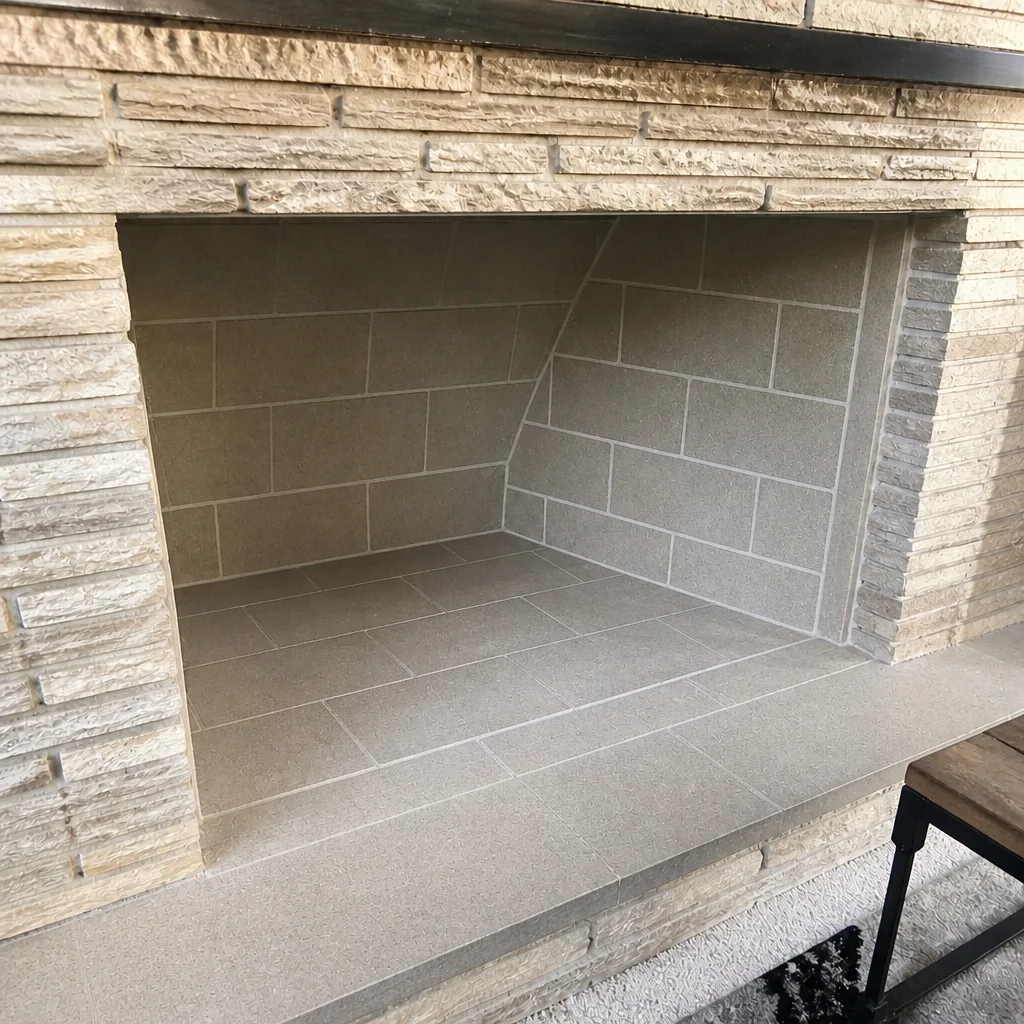
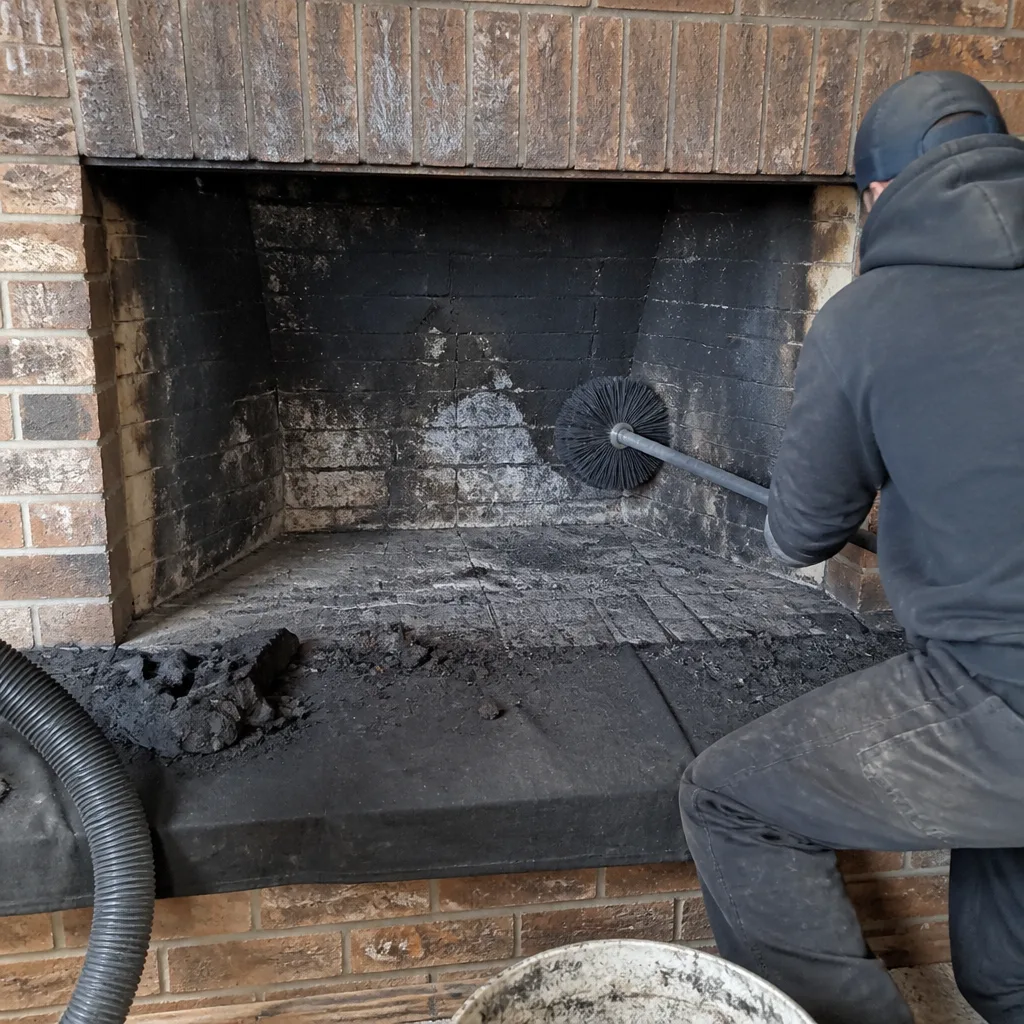
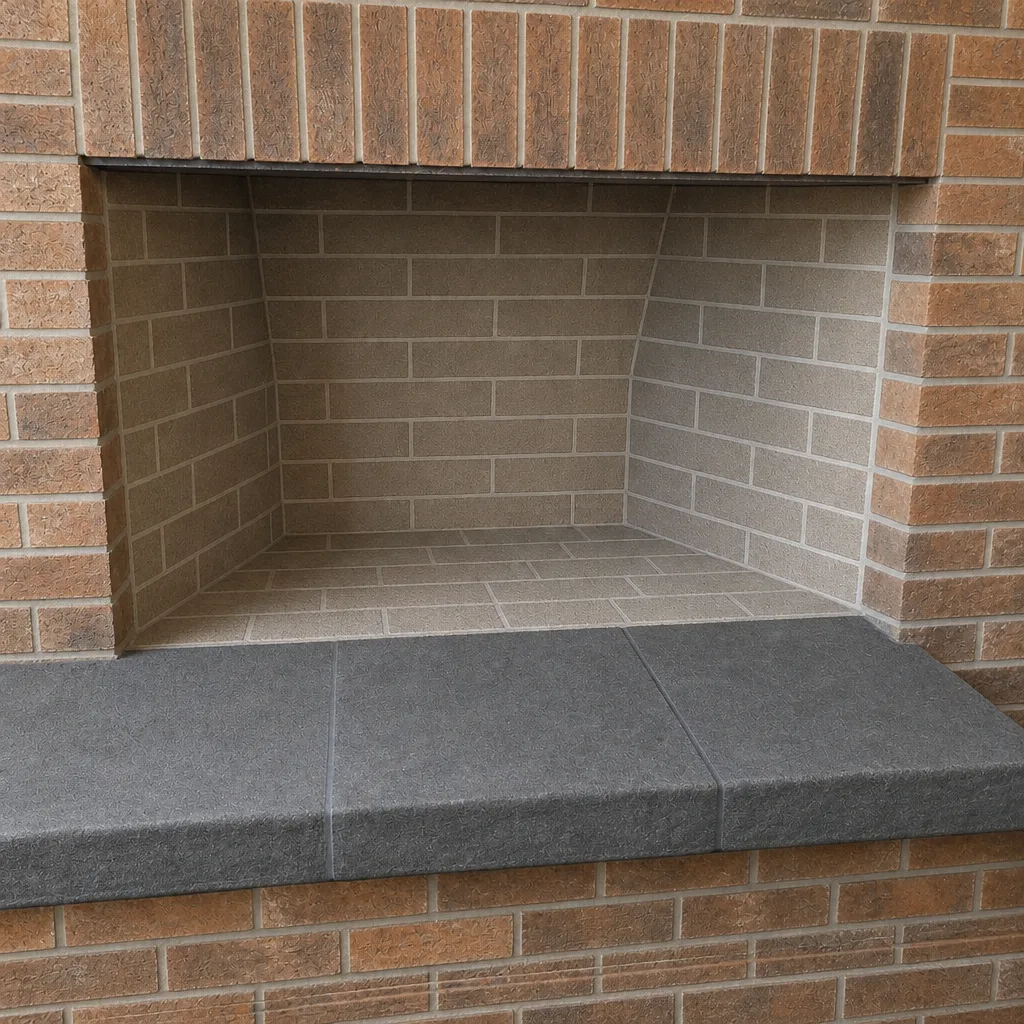
See the difference
 Before
 After
 Before
 After
 Before
 After
When to Call a Professional
Call a professional before you buy another product if any of these apply. You have visible glaze inside the firebox or at the top of the flue. Your chimney shows white staining or crumbling brick around the crown. Your liner has been described as “cracked” or “damaged” but you haven’t gotten a second opinion on whether resurfacing is possible. You smell smoke indoors when the fireplace is off. Your cap is missing, damaged, or the wrong style for your flue. Your firebox has loose brick or missing mortar. Any of these is a sign the chimney needs a professional diagnosis rather than a consumer workaround, and the longer the gap between symptom and diagnosis, the larger the eventual scope. Our technicians have up to 9 years of experience across the full range of chimney work, from routine annual sweep to full liner restoration using fireplace repair and HeatShield resurfacing where the conditions support it.
Auburn Chimney Sweep Pros offers free estimates in Auburn. Call (877) 492-4265. We answer 24/7. Fast dispatch from 7am to 7pm, Sunday through Friday. We don’t work Saturday. A call outside those hours gets booked into the next opening.
Frequently Asked Questions
Yes, within a narrow scope. The metal salts in a creosote modifier change the structure of stage-one and stage-two creosote, making it more brittle and easier to brush off during a sweep. What they can’t do is remove glazed, tar-like stage-three creosote, and using them heavily on a flue that already has glaze can make the deposit harder to remove. Read the label; every one we’ve seen tells you it isn’t a replacement for professional cleaning. Call (877) 492-4265 if you’re not sure what stage your creosote is at. Estimates are free.
UL Listed means an independent lab tested that specific product against a defined safety standard at the manufacturer’s request and published the result in UL’s online database. It confirms the product matches its listing, not that it’s right for your chimney, your fuel type, or your situation. Check the file number on the package against UL Product iQ to confirm the listing is real and current. If the number isn’t there, the badge isn’t worth anything.
You can, but the type of sealer matters more than the application. A vapor-permeable masonry sealer is safe to apply on clean, sound brick and will slow moisture damage over time. A film-forming product like elastomeric paint will trap moisture inside the brick, and in Auburn’s wet climate that accelerates spalling. If you don’t know whether a previous sealer is already on the chimney, have it checked before adding another coat. Call (877) 492-4265 for an inspection. Estimates are free.
Because those are installation systems, not consumer products. HeatShield requires trained application on a properly prepared liner surface, and Smoktite is a high-temperature sealant that only performs inside a specific joint design. A homeowner without training will get a result that looks right briefly and then fails, and the cost of redoing it exceeds the cost of doing it correctly the first time. They’re restricted to trained installers for your protection, not to lock you out.
Annually for most wood-burning fireplaces, and more often if you burn through an entire heating season with wood that isn’t fully seasoned. Auburn’s long burn season and cool, damp climate make glazed creosote more likely here than in drier regions, so if your wood sizzles when you touch a split to a hot fire, book a sweep. Call (877) 492-4265 for a standalone inspection if you’re not sure what condition your flue is in. Estimates are free.
Yes, when the chimney has been inspected and found clean and sound, and the smell is normal creosote scent from routine use. It’s the wrong choice when the smell is musty (usually moisture), smoky when the fire isn’t burning (usually a draft problem), or sharp and acrid (possibly flue damage). Deodorants mask the symptom; they never fix the cause. If your chimney smells wrong and you haven’t had it looked at, book an inspection before you spend money on a spray. Call (877) 492-4265. Estimates are free.
The Bottom Line
Chimney cleaning products split into three camps: tools that support a safe flue (creosote modifiers, breathable sealers), products that only manage a symptom (deodorants), and products that create false confidence (anything claiming to clean or self-serve a chimney). In Auburn’s wet Puget Sound climate, the sealing choice matters most, and film-forming products do real damage on brick. Professional materials like HeatShield and Smoktite aren’t sold retail because they require trained installation. The right buying sequence is inspection first, product second, and the inspection is what tells you whether a product is even relevant. Read the labels honestly, check UL listings against the database, and if the product is doing the work a professional should be doing, call instead of buying.
If you’re not sure what your chimney needs, start with a straight answer rather than a bottle. Auburn Chimney Sweep Pros covers sweep, inspection, fireplace repair, chimney repair, and cap and crown work as one job from one specialist, not a jack-of-all-trades. Call (877) 492-4265 for a free estimate. We answer 24/7. Fast dispatch from 7am to 7pm, Sunday through Friday. We’re closed Saturday. A call outside dispatch hours gets booked into the next opening.
Written by the team at Auburn Chimney Sweep Pros.