
Last updated November 25, 2026
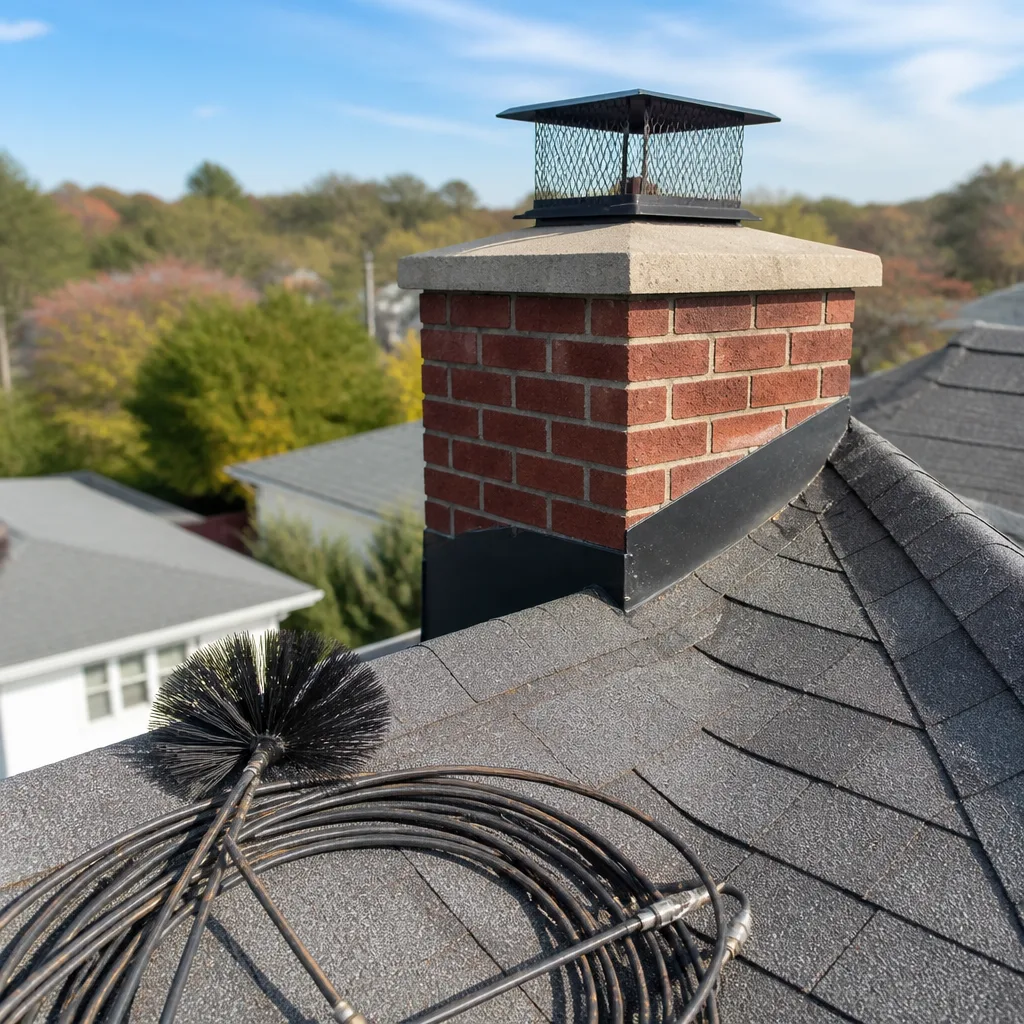 Sweep & inspection
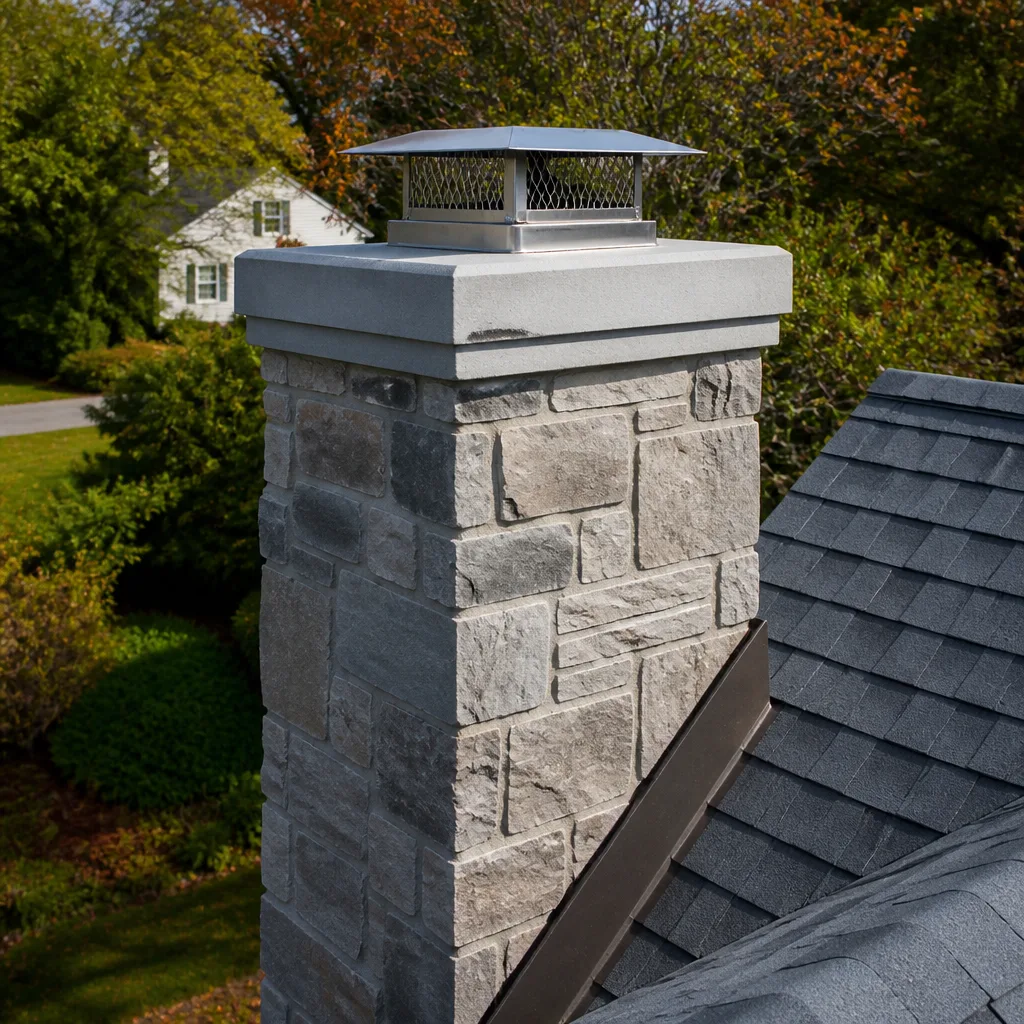 Caps & crowns
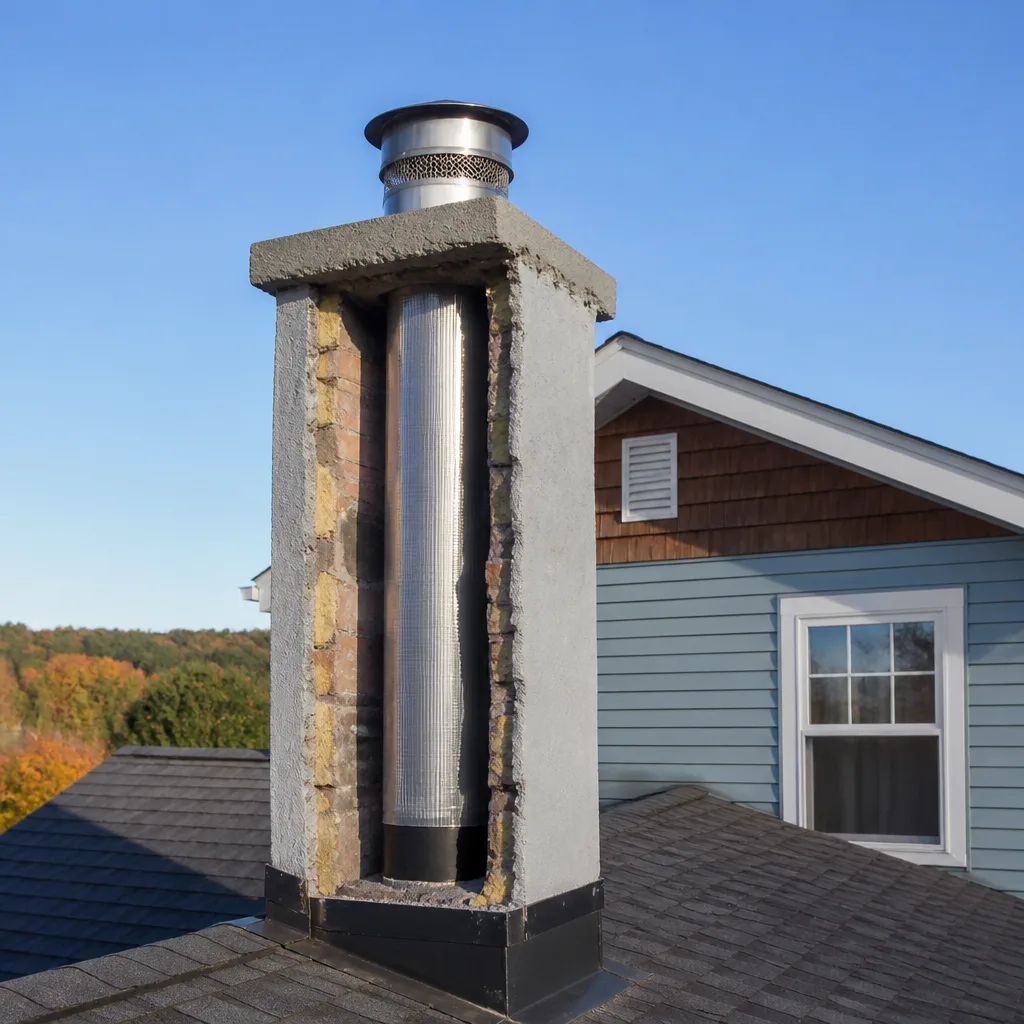 Flue relining
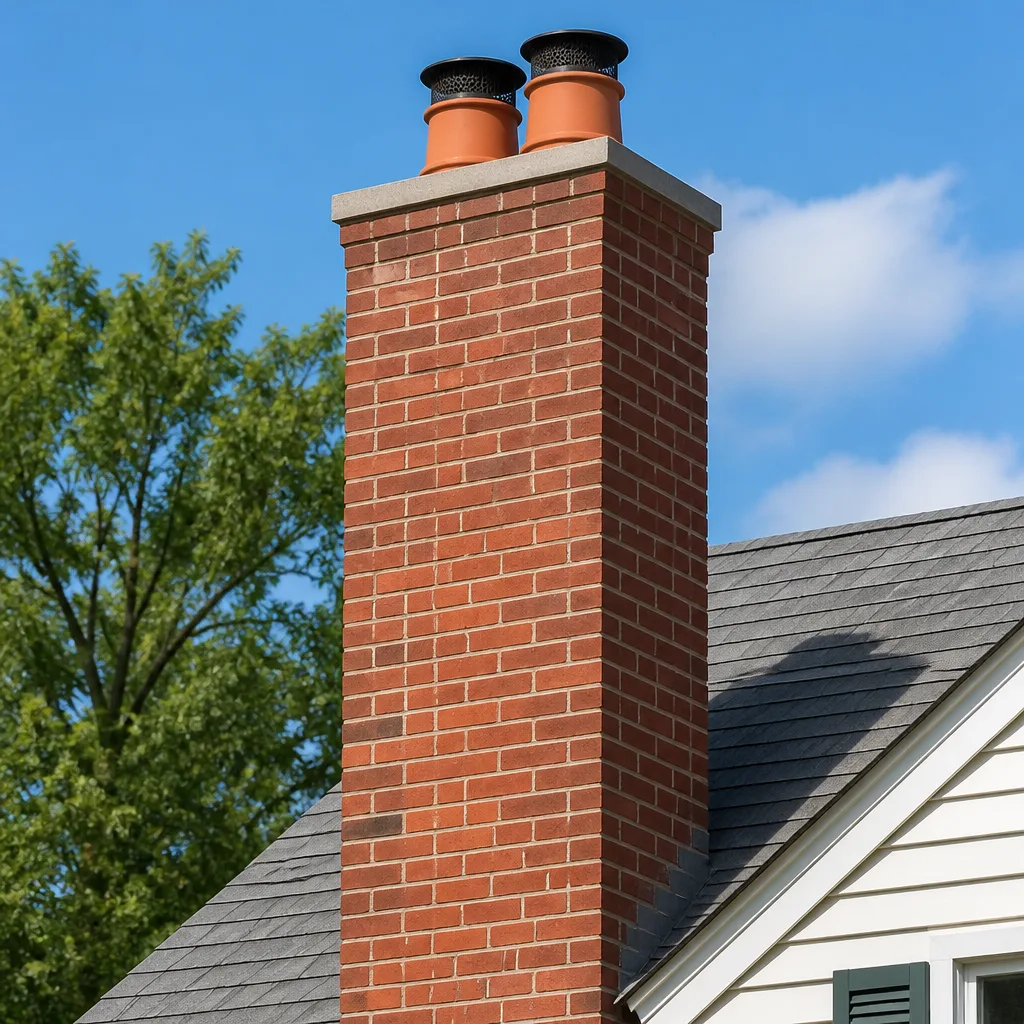 Masonry repair
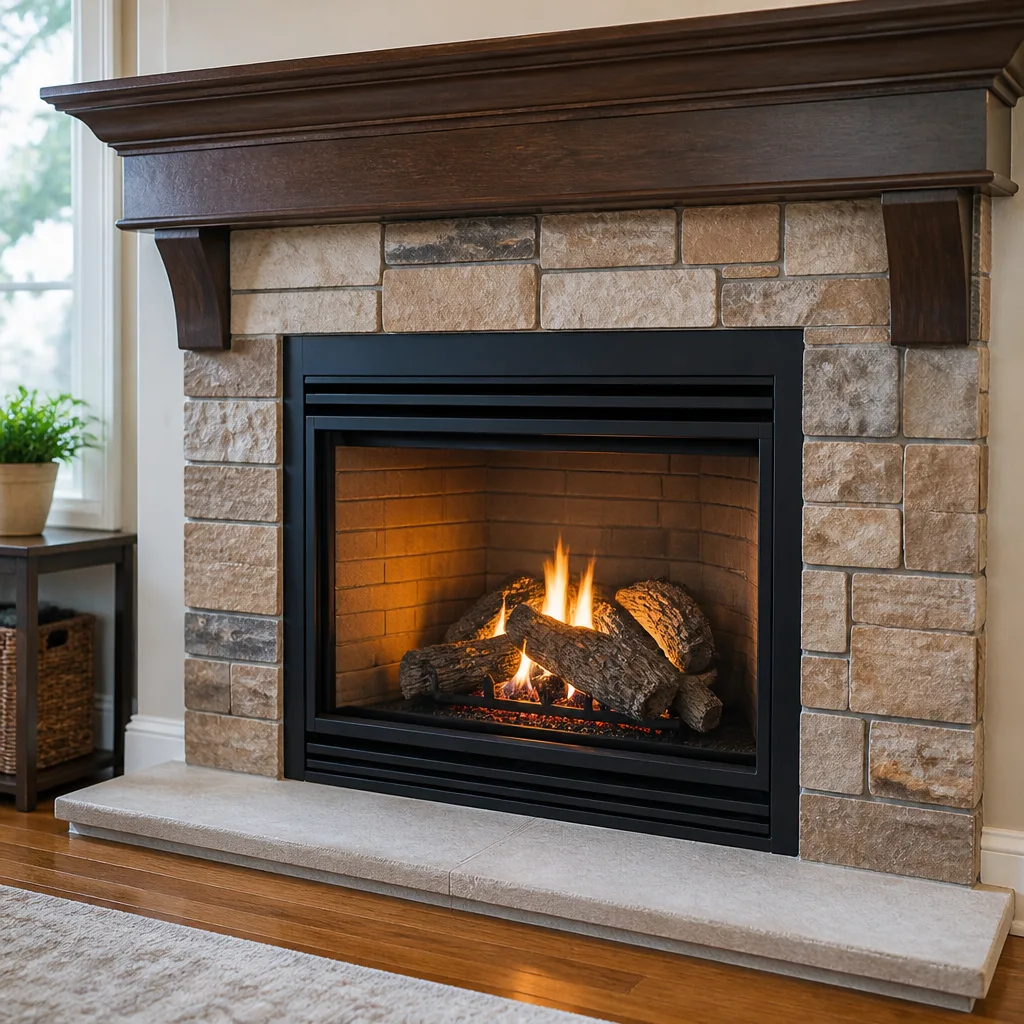 Gas fireplace service
Level 1 sweep and inspection to the NFPA 211 annual standard - flue, crown, cap, and flashing checked and photographed
Chimney sweep logs do not sweep chimneys. They loosen some creosote - which then falls where a brush and vacuum still have to collect it.
Chimney Cleaning Emergency Preparedness Guide for Auburn Homes
Most people think a chimney emergency announces itself with flames or a roar. In our experience, it often doesn’t. The chimney fires that do the most liner damage can burn quietly for hours, and the carbon monoxide events that follow a shoulder-season restart rarely give any warning at all. That’s the uncomfortable truth behind this guide: the moment you notice something is wrong, the decisions you make in the next minute matter more than anything a sweep could do on a routine visit. We wrote this for Auburn homeowners who burn wood or gas and want a real plan, not a vague reminder to schedule maintenance. Below you’ll find the exact response sequence for both emergencies, how to catch the quiet ones, and what to have ready before you ever need it.
Quick Answer
A chimney fire emergency requires you to stop the fire’s air supply if you can safely reach the damper, evacuate everyone, and call 911, then treat the flue as unusable until a Level 2 inspection confirms the liner is intact. A carbon monoxide event from a blocked or cold flue requires fresh air, evacuation, and an emergency call the same way. Both emergencies are far more survivable when you have a CO detector near the fireplace and a chimney contractor’s number already saved in your phone.
Styles & brands we work with
- Sweep & inspection
- Caps & crowns
- Flue relining
- Masonry repair
- Gas fireplace service
Table of Contents
- An Active Chimney Fire: The 60-Second Response Sequence
- The Quiet Chimney Fire That Damages Liners Over Hours
- Carbon Monoxide and Auburn’s Shoulder Season
- After the Fire: Why You Can’t Burn Again Yet
- What to Have Ready Before Fire Season
- What to Tell 911 During a Chimney Fire Call
- Common Mistakes to Avoid
- When to Call a Professional
An Active Chimney Fire: The 60-Second Response Sequence
An active chimney fire burns hot enough to warp a metal flue or crack clay tile in a matter of minutes. The single most useful thing you can do is follow a sequence you’ve rehearsed rather than invent one at the sound of a roar. Here is the order that matters.
- Get everyone out first. If you see flames, dense smoke pushing back into the room, or a roar that sounds like a freight train, stop. Evacuate the house and call 911 from outside. This is not a moment to gather belongings.
- Close the damper only if you can reach it safely. If the fire is small, the room is clear of smoke, and the damper handle is within arm’s reach, closing it starves the fire of oxygen. If smoke or flame is already spilling into the room, do not stay to try. Get out.
- Close the glass doors on a factory-built fireplace if they’re accessible on your way out. This limits oxygen and heat transfer into the room.
- Do not throw water on it. Water on a hot firebox or a hot metal flue can crack the very components you’re trying to save, and it does nothing for fire inside the flue itself.
- Call 911 even if the fire seems to have stopped. A chimney fire can reignite in the flue after the initial burn.
- Keep everyone out until the fire department says the structure is safe and a chimney professional has inspected the flue.
Notice what isn’t on that list: extinguishing the fire yourself from the roof. Reaching the top of a chimney during an active fire is a fall hazard and a burn hazard at the same time. In Auburn, we see this hesitation constantly from homeowners who want to handle it themselves, and we understand the instinct. But the safest answer to an active fire is evacuation, then 911, then an inspection before you burn again.
The Quiet Chimney Fire That Damages Liners Over Hours
The roaring fire gets the attention, but the slow one does the structural damage. A low, slow chimney fire can burn for hours inside a flue with no flame visible from the room and only subtle signs in the house. It’s far more common than the dramatic version, and its damage accumulates quietly enough that many homeowners never realize they’ve had one until an inspection years later.
Signs of a chimney fire you might miss
- Puffy, honeycombed creosote inside the flue where the glaze has bubbled and cracked. This is the single clearest sign of a past fire.
- Warped or displaced damper that no longer sits flush.
- Cracked or missing clay tile visible from a camera inspection.
- Discolored cap or flashing with heat staining around the crown.
- Pieces of creosote on the roof or in the yard after a cold night’s burn.
- A persistent smell of hot metal or burned wood indoors that doesn’t match what’s in the firebox.
Because the quiet fire rarely throws flames into the room, the liner takes heat stress over and over until a crack or shift opens. Once the flue is compromised, smoke and carbon monoxide can migrate into wall cavities or into the living space. This is the reason our inspection process relies on a camera view of the full flue, and why we don’t declare a system safe on the basis of a quick look from the firebox. If you’ve had cold-season burns that smelled off, or you’ve noticed ash accumulating outside the cap, it’s worth booking a standalone chimney inspection rather than waiting for your next routine sweep.
Carbon Monoxide and Auburn’s Shoulder Season
Carbon monoxide is the emergency nobody sees coming. The shoulder season in Auburn is where the risk peaks, and it has nothing to do with a fault in your fireplace. It has to do with the way a cold, unused flue behaves on the first cool evening of the year.
Why a fireplace that’s been idle is a CO risk
A chimney works by pulling combustion gases up and out because the flue is warmer than the outside air and the pressure difference between the two is favorable. Over summer, the flue cools to outside temperature, and months of disuse leave a layer of dust, ash, and drying creosote that can restrict the flow. When you light the first fire of fall, several things happen at once: the flue is cold, the outside air may be warmer than the flue, and there may be a low-pressure system pushing air down the chimney rather than up. The result is a backdraft, and the gases your fire produces, including carbon monoxide, come down into the room instead of going up.
Add a tight house to that picture, which most modern Auburn homes are, and there’s no path for the pressure to equalize. A gas fireplace can produce the same effect with even less warning, because there are no flames to alert you.
Before you light the first fire of the season
- Open a window a crack in the room for the first burn to give the house a path to draw against.
- Hold a lit match near the open damper before you build a fire. If the smoke goes out of the room rather than up the flue, the chimney is drafting backwards. Do not light the fire.
- Make sure the damper is fully open and confirm the flue isn’t blocked by a bird nest, leaf debris, or a broken cap.
- Know the symptoms of CO exposure: headache, dizziness, nausea, confusion, and fatigue that clears when you leave the room. If these appear together with a fire in the fireplace, get everyone outside and call 911.
After the Fire: Why You Can’t Burn Again Yet
Once any chimney fire has occurred, the flue should not be used again until a Level 2 inspection confirms liner integrity, regardless of how normal the chimney looks from the outside. This is not a cautious suggestion. It’s the standard because the damage that matters happens inside the flue, where you can’t see it from below.
What a Level 2 inspection actually covers
A Level 2 inspection goes beyond the firebox and the firebox transition. It includes a camera run of the full flue, inspection of accessible portions of the chimney exterior, and a look at the connections and clearances where heat transfer causes the most risk. For a masonry chimney, that means checking every clay tile for cracks, every joint for offsets, and the crown and cap for heat damage. For a factory-built unit, it means checking the metal liner sections and the insulation around them.
What a Level 2 inspection usually finds after a fire:
- Cracked or spalled clay tile, often in the upper third of the flue.
- Warped or separated metal liner sections on a factory-built fireplace.
- Failed mortar joints where the heat has opened the seams.
- Damaged or missing cap and spark arrestor components.
- Discolored or heat-split crown concrete where the fire escaped through the top.
Once we have that picture, we can usually give you a straight answer about whether you’re looking at restoration or replacement. HeatShield resurfacing is often a fit for a masonry flue with cracked tile but sound structure, since it rebuilds the interior surface without removing the chimney. For a factory-built unit with a damaged metal liner, a DuraFlex flexible liner system installs inside the existing chase. Where the crown or cap has heat damage, our chimney repair service handles rebuilding the top of the system so water and weather don’t finish the job the fire started. You won’t need to line up three different contractors to get from inspection to a safe flue.
What to Have Ready Before Fire Season
Preparedness isn’t dramatic. It’s a few specific items and one phone number, ready before the first cold night of the year. Here’s what we tell Auburn homeowners to put together.
The physical items
- A carbon monoxide detector placed near the fireplace opening. CO is slightly lighter than air, so mounting it at breathing height near the fireplace is more useful than putting it at floor level. Test it before the season starts and replace the battery on a schedule you’ll actually remember.
- A working smoke detector on every level and inside or just outside each sleeping area. Chimney fires can move into wall cavities, so you want early warning anywhere in the house.
- A fire extinguisher rated for wood fires, mounted where you can reach it on your way out rather than next to the fireplace itself.
- A flashlight and a pair of shoes near the main exit, because the evacuation happens at night sometimes and you don’t want to be searching for either.
The information you should have on hand
- Your chimney contractor’s number, saved in your phone under “Chimney” so it comes up in a search during a stressful moment. Ours is (877) 492-4265, and we answer 24/7.
- The location of your damper handle and whether it operates freely. If you can’t remember, open it and close it once before the season starts to confirm it moves.
- A written note of your chimney’s build type, whether it’s masonry or factory-built, and the last inspection date. That’s the first thing a professional needs and the hardest thing to find during an emergency.
- Your home’s gas shutoff location if you have a gas fireplace, because a fire in the chase is a reason to shut the supply off on your way out.
We’ve found that homeowners who’ve done this once are far calmer and faster to react when a real problem appears. It’s not about expecting the worst. It’s about removing the thinking from the moment you can’t afford it.
What to Tell 911 During a Chimney Fire Call
When you call 911 for a chimney fire, the dispatcher needs five specific facts. Have them ready before you dial, because the call is easier when you’re answering questions rather than trying to remember details under pressure.
- Your address and the type of structure, including whether the house is single-story or multi-story and whether anyone is inside.
- That the fire is in the chimney, not the room, and the type of fireplace: masonry with a wood fire, a factory-built fireplace, or a gas unit. This tells the responding crew what they’re dealing with before they arrive.
- Whether you can see flames or smoke from the chimney top, and how much. The visual is the fastest signal of fire severity.
- Whether the fire has spread, either into the room or through the roof. If you can see heat staining on the roof, say so.
- Whether anyone has symptoms of smoke inhalation or carbon monoxide exposure, so the response includes medical support if needed.
Stay on the line with the dispatcher until they release you, and don’t re-enter the house for anything. If you have pets inside, tell the dispatcher, and let the fire department handle it. This isn’t the moment for heroics, and the crews are trained for exactly this.
Common Mistakes to Avoid
- Assuming a small flame means a small problem. The quiet chimney fire is the dangerous one, and it rarely produces flames visible from the room. If you’ve had a hot burn with odd smells afterward, book an inspection rather than wait for your next sweep.
- Lighting a fire without checking the draft first. In Auburn’s shoulder season, a cold flue can send smoke and CO back into the room on the first burn of fall. The match test takes thirty seconds and prevents an emergency.
- Using the chimney after a fire because it “looks fine.” The liner damage is inside the flue where you can’t see it. The flue is unusable until a Level 2 inspection confirms integrity, no exceptions.
- Putting a CO detector in the basement or hallway instead of near the fireplace. CO from a backdraft reaches the room at the fireplace first. Placement near the opening catches the problem at the source rather than after it’s spread.
- Waiting to call 911 because the fire “seems to have stopped.” Chimney fires reignite. The fire department wants the call, and the fire’s return is far more dangerous than the answer you’ll get from the dispatcher.
- Skipping the annual sweep because you “don’t burn much.” A few fires a year still builds glazed creosote in a flue that hasn’t been cleaned. It’s the glaze that fuels a fire, not the volume of wood.
- Hiring whoever shows up first after a fire. A post-fire inspection needs a contractor who can read liner damage, not just sweep it. Ask for a Level 2 inspection before anyone touches the chimney, and be suspicious of anyone who offers to sweep first and inspect later.
When to Call a Professional
Some chimney questions resolve with a flashlight and a bit of patience. Others need a professional before you burn again. Call us or another qualified contractor if you’ve had any chimney fire, however small, or if you suspect one from puffy creosote, a warped damper, or a cracked flue visible from the firebox. Call if your CO detector has triggered, if you smell a persistent burned smell after a fire goes out, or if you notice stains or puffy creosote on the exterior of the chimney. Call if your chimney hasn’t been inspected in years and you’ve been burning regularly, and call if the answer to a shoulder-season draft test came back wrong. We offer free estimates for the work, the price is set per job by the written estimate, and the estimate is free. As Auburn Chimney Sweep Pros, we’re an Auburn chimney specialist, not a general handyman crew, and we can take you from inspection through the fireplace repair or the liner restoration the flue actually needs. Call (877) 492-4265. We answer 24/7. Fast dispatch from 7am to 7pm, Sunday through Friday.
See the difference
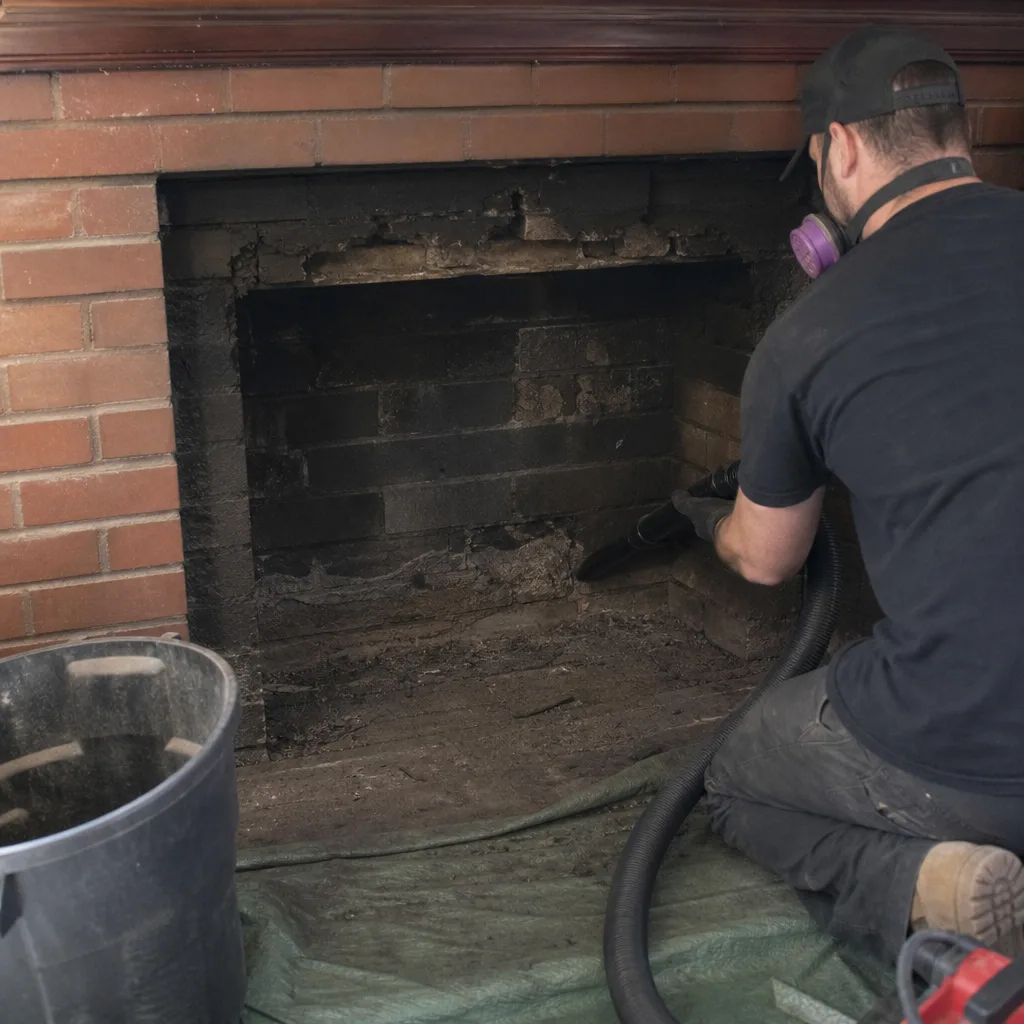 Before
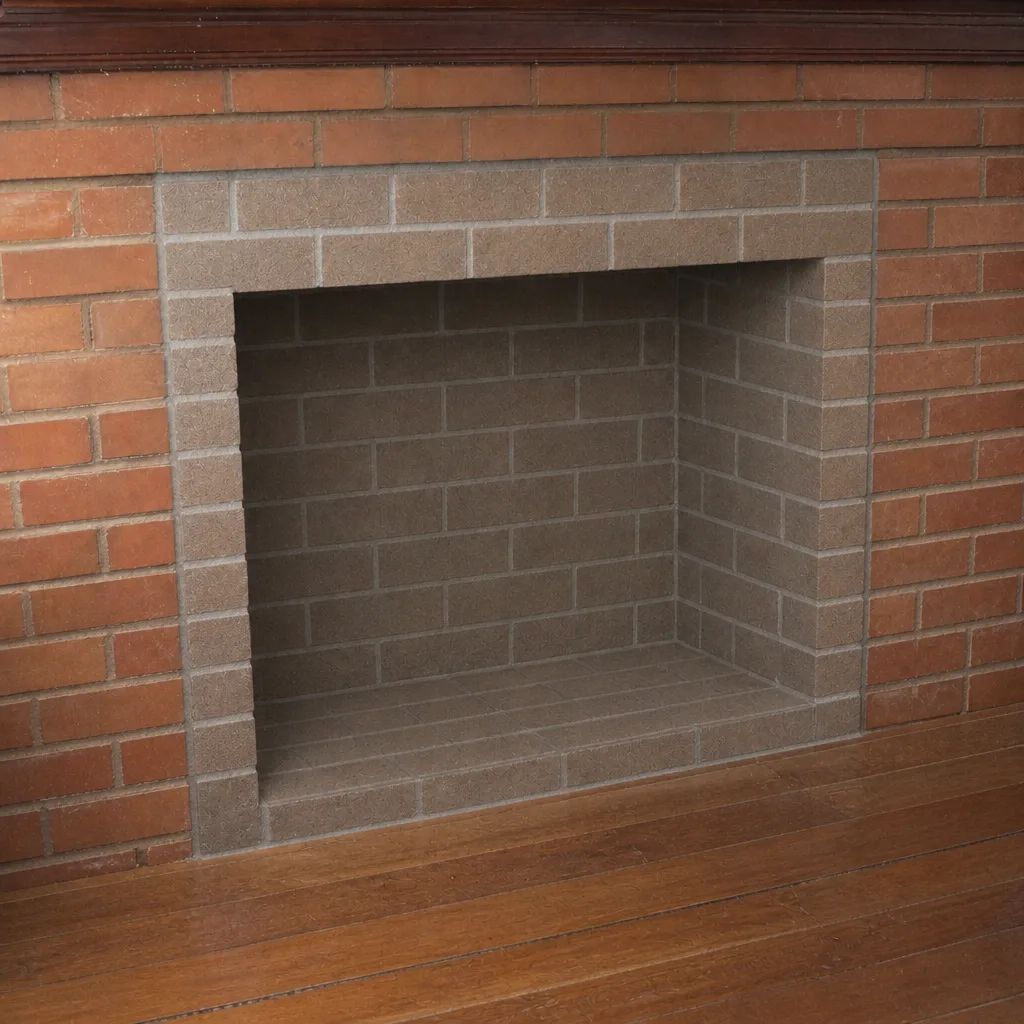 After
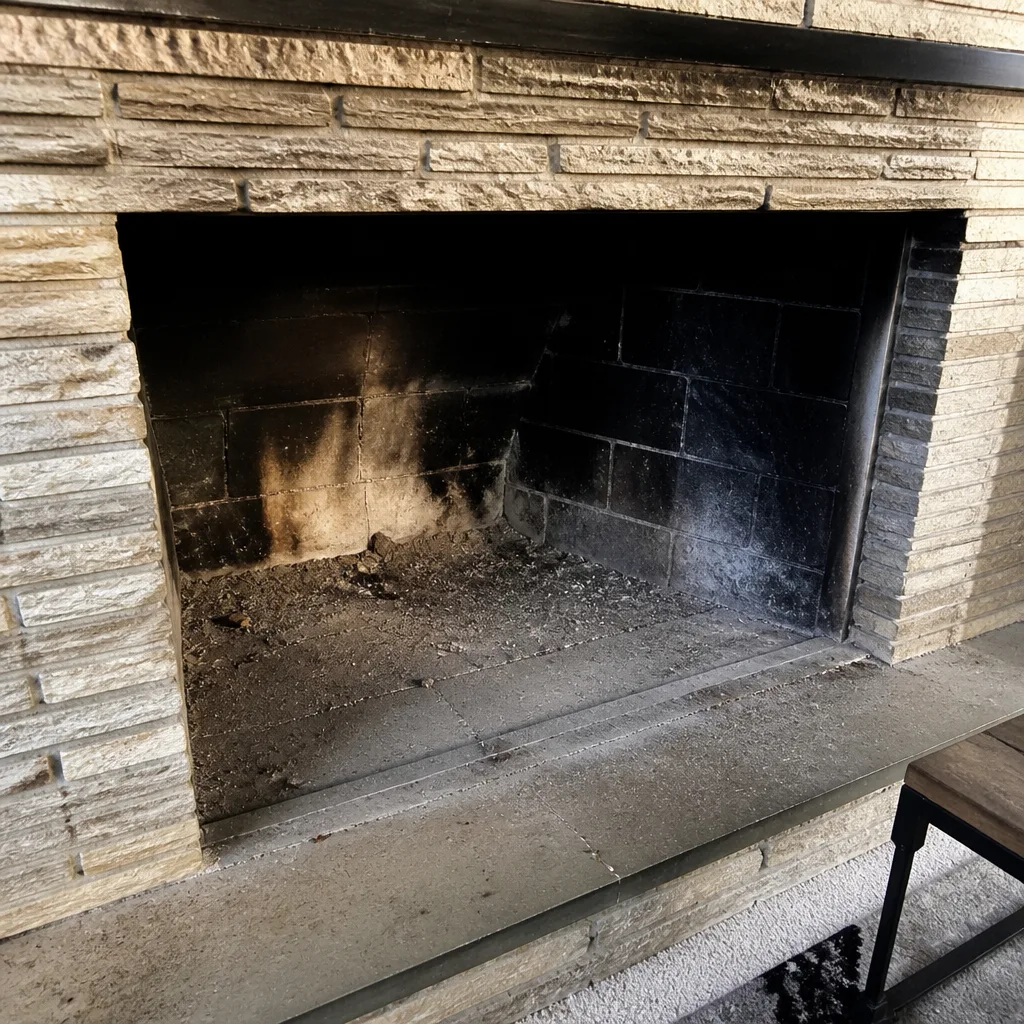 Before
 After
 Before
 After
Frequently Asked Questions
Get everyone out of the house and call 911 from outside. If the fire is small, the room is clear of smoke, and the damper handle is within reach, close the damper to starve the fire of air, but don’t stay to fight it if smoke or flame is already in the room. Once the fire is out, the flue stays unused until a Level 2 inspection confirms the liner is intact. Call (877) 492-4265 to book the post-fire inspection, and we’ll talk you through what we find.
The most reliable signs are puffy, honeycombed creosote inside the flue, a warped damper, cracked clay tile visible from a camera inspection, or heat staining on the cap and crown. These are exactly what a professional inspection looks for. If you’re not sure, a standalone inspection will answer it. We offer that as its own service, not tied to a mandatory sweep. Call (877) 492-4265 for a free estimate.
Because the flue is cold and may be drafting backwards, which sends smoke and CO into the room instead of up the chimney. This is a common issue in Auburn’s shoulder season, when the flue temperature hasn’t caught up to the outside air. Before lighting, hold a match near the open damper and watch which way the smoke goes. If it comes into the room, don’t light the fire. Book an inspection and we’ll find out whether the problem is a blockage, a cap issue, or an undersized flue. Call (877) 492-4265 and ask about a seasonal draft check.
Not always. Many masonry flues can be resurfaced with HeatShield rather than fully relined, and factory-built units often take a DuraFlex flexible liner. The only honest way to know which applies is a Level 2 inspection with a camera run of the full flue. We quote the work from what the camera shows, so you’ll see the evidence before you decide. Call (877) 492-4265 to book the inspection, and the estimate is free.
Mount one near the fireplace opening, at roughly breathing height, plus one on every level and outside each sleeping area. CO is slightly lighter than air, so a detector at floor level is a poor placement, and one near the fireplace catches a backdraft at its source. Test the units before the first burn of the season. If your detector has already triggered, get out and call 911, then call (877) 492-4265 for the flue inspection that follows.
You can remove some loose soot with a brush, but you can’t see the liner condition, the crown, the cap, or the clearances that cause most chimney fires from inside the house. A sweep that doesn’t include a camera inspection can miss the glazed creosote that fuels a quiet fire. Our chimney sweep includes the inspection, so the answer you get is based on what’s actually in the flue. Call (877) 492-4265 to book, and ask about chimney cap & crown work if the top of the system shows heat damage.
The Bottom Line
The two chimney emergencies most likely to hit an Auburn home are an active fire and a carbon monoxide event from a blocked or cold flue, and both are far more survivable when you’ve planned for them. Evacuate first and call 911 if you suspect a fire. Close the damper only when you can do it safely. Treat the flue as unusable until a Level 2 inspection clears it. Know the quiet-fire signs, because the fire you don’t hear is the one that does the damage over time. Test the CO detector, learn the match test for a cold flue, and save your contractor’s number. From annual sweep to full liner restoration, the work that keeps your chimney safe to burn in is what we do. Call (877) 492-4265 for a free estimate. We answer 24/7. Fast dispatch from 7am to 7pm, Sunday through Friday. Our technicians have up to 9 years of experience, and we work with professional materials including HeatShield, DuraFlex, and Olympia Chimney components so the repair matches the system, not whatever’s cheapest on the shelf.
Written by the team at Auburn Chimney Sweep Pros.