
Last updated November 25, 2026
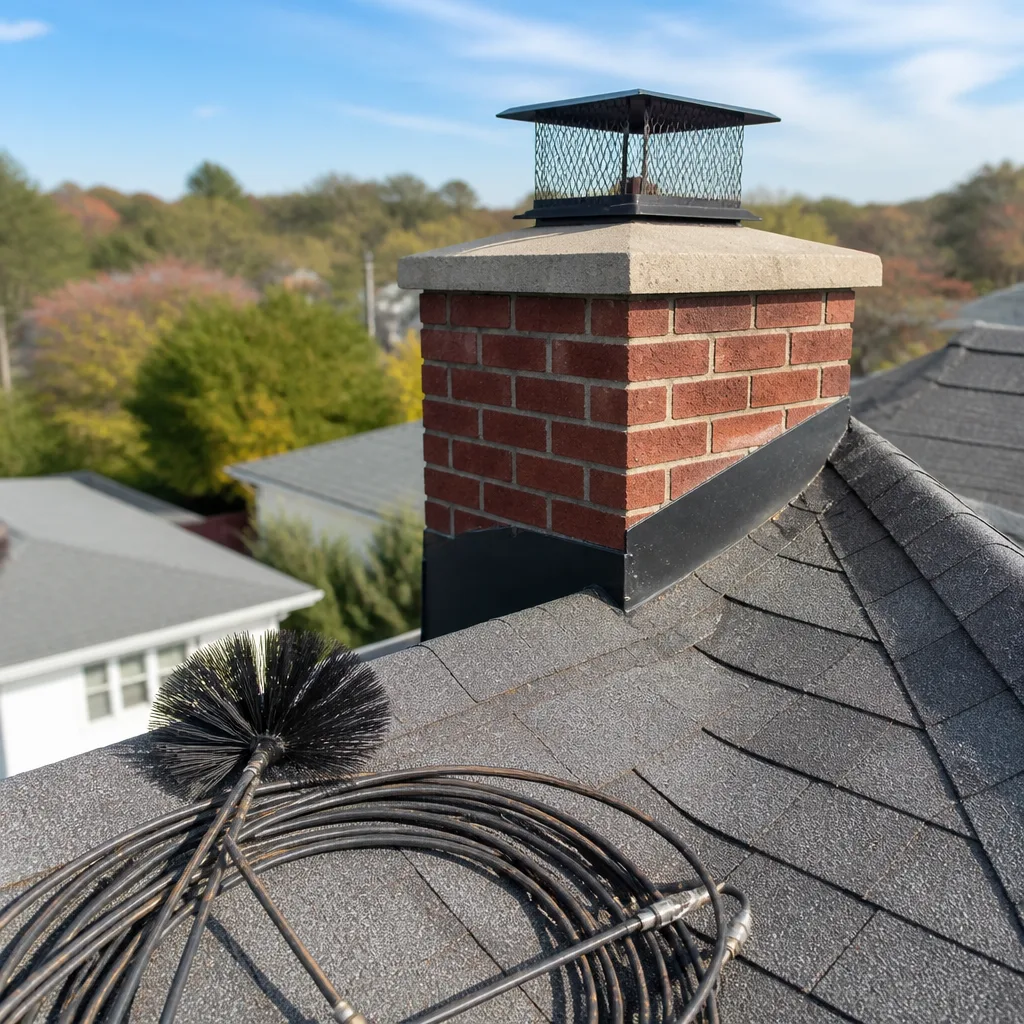 Sweep & inspection
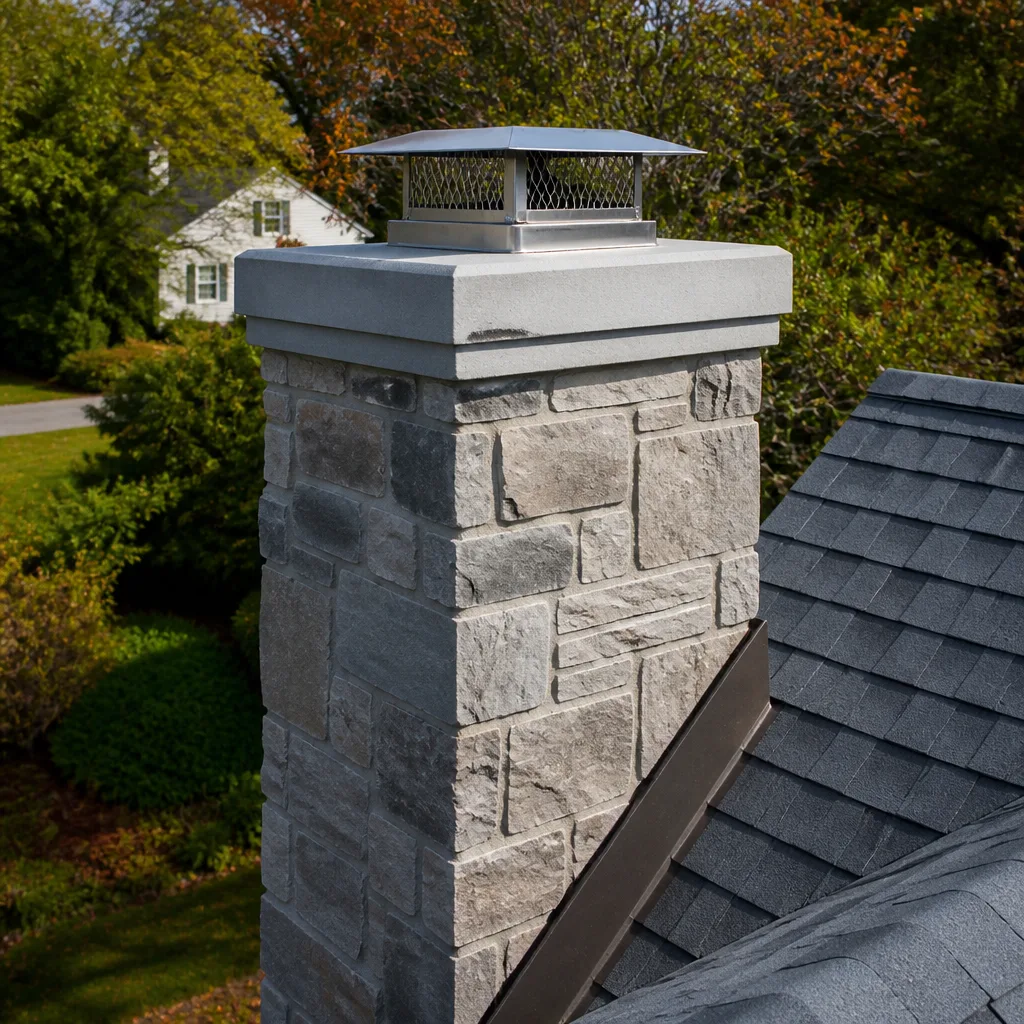 Caps & crowns
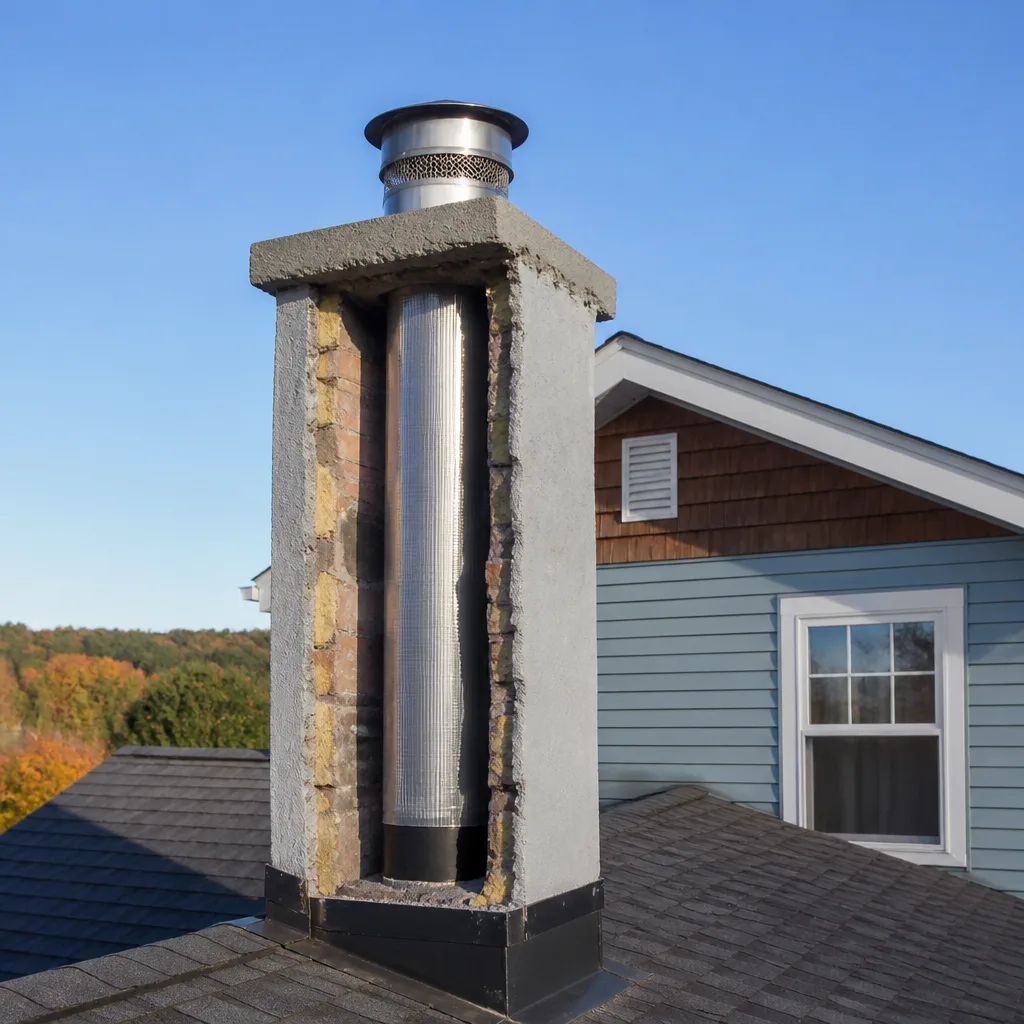 Flue relining
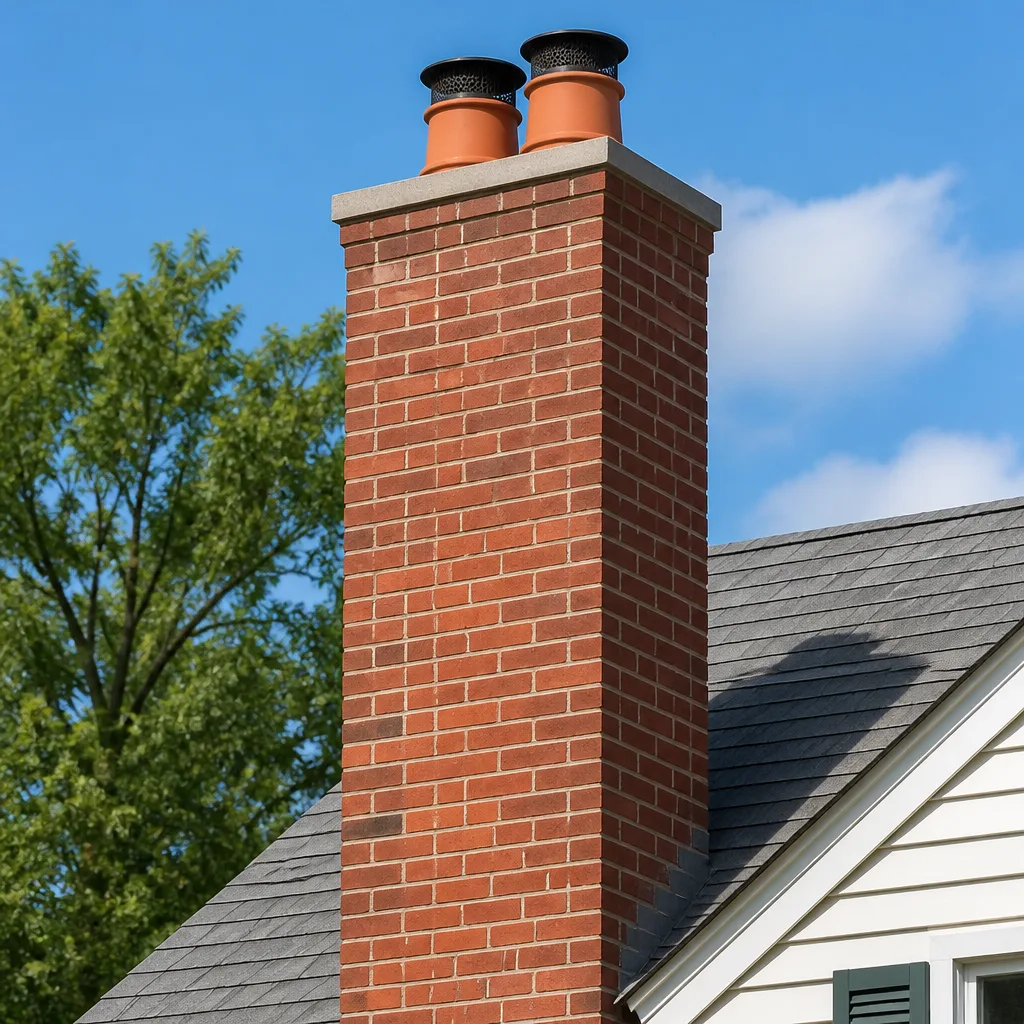 Masonry repair
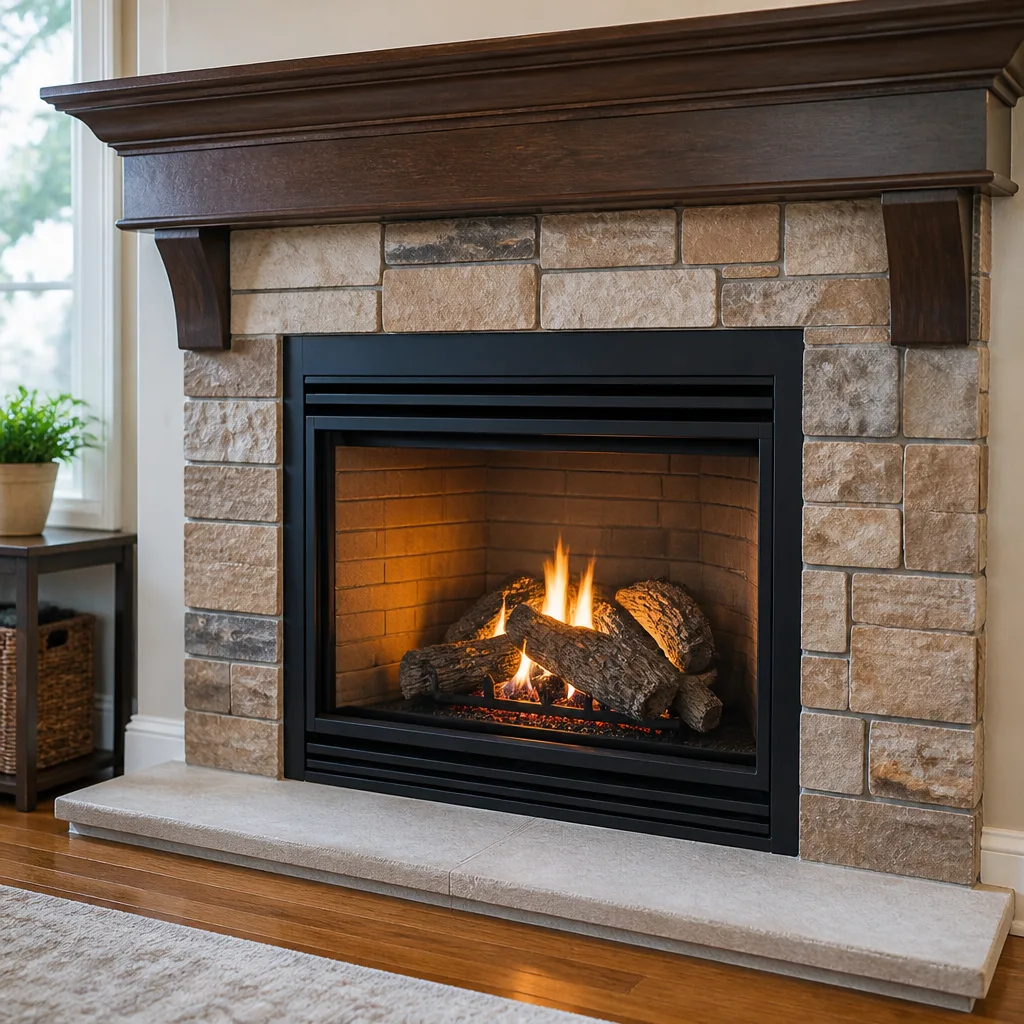 Gas fireplace service
Level 1 sweep and inspection to the NFPA 211 annual standard - flue, crown, cap, and flashing checked and photographed
Chimney sweep logs do not sweep chimneys. They loosen some creosote - which then falls where a brush and vacuum still have to collect it.
The Complete Guide to Chimney Cleaning in Auburn
Most homeowners in Auburn assume a chimney that drafts well is a chimney that’s clean. That’s backwards. A flue coated in glazed creosote can pull just fine right up until the moment it ignites, and in our wet Western Washington climate the deposits that cause chimney fires build faster than most national advice admits. A single cord of wood burned through a damp Auburn winter can leave more creosote behind than two cords burned in a dry inland climate, because humid air and high-moisture wood both cool the flue gases that carry creosote vapor. This guide maps what a heating season actually does to an Auburn flue, how cleaning and inspection differ, and exactly what you’re paying for during a professional visit.
Quick Answer
Chimney cleaning in Auburn means removing creosote, soot and debris from the flue, firebox and smoke chamber, then having the system inspected for structural condition. Most Auburn homes that burn wood regularly need a sweep once a year, ideally before the fall burning season, but homes that burn often in a wet climate or use unseasoned firewood may need it sooner. Cleaning removes what’s there; inspection tells you whether the chimney is still safe to use.
Styles & brands we work with
- Sweep & inspection
- Caps & crowns
- Flue relining
- Masonry repair
- Gas fireplace service
Table of Contents
- Why Auburn’s Climate Changes Your Chimney’s Cleaning Schedule
- Sweeping vs. Inspection: Two Different Jobs
- Alder, Big-Leaf Maple, and Why Western Washington Wood Behaves Differently
- Level 1 vs. Level 2 Inspections: Which One Does Your Auburn Home Need?
- What Actually Happens During a Professional Cleaning Visit
- How Often Should an Auburn Chimney Be Cleaned?
- Signs Your Chimney Needs Attention Now
- What Chimney Cleaning Costs in Auburn
Why Auburn’s Climate Changes Your Chimney’s Cleaning Schedule
Auburn sits in a wet, mild corner of the country, and that has a real effect on chimney deposits. The standard advice you’ll find on national sites imagines a cold climate with a long, hard winter and lots of dry, high-output burns. Auburn doesn’t work that way. Our shoulder seasons run long, winters are mild and damp, and many households burn in short, low-intensity sessions to take the chill off rather than running the stove hard for months. Low, smoldering fires are the single biggest driver of the worst kind of creosote.
Here’s the mechanism. When a fire burns hot and clean, most of the creosote-forming compounds leave the chimney as gas. When it burns low and cool, those compounds condense onto the flue walls before they can escape. In a wet climate that cooling happens faster, because humid combustion air and wet wood both pull heat out of the fire. The result is a flue that accumulates glazed, third-degree creosote – the hard, shiny, tar-like layer that a brush alone struggles to remove – more quickly than a cold-climate flue run at high output.
Add rain and humidity working on the outside of an uncapped or poorly capped chimney and you get moisture damage compounding the creosote problem. Water degrades mortar, rusts dampers, and cracks clay tiles; a cracked liner then gives creosote an even better place to gather. That’s why chimney cap & crown work matters as much as the sweep itself in Auburn. The cap keeps rain out, the crown sheds it off the top, and both protect the flue you just had cleaned.
For Auburn homeowners, the practical takeaway is that cleaning intervals should be based on how you burn, not on a fixed calendar. A household that runs continuous hot fires may genuinely need only an annual sweep. A household that lights a damp evening fire three or four times a week through a long, mild winter can build glazed creosote faster and should have the flue checked sooner if the fire has been smoky or slow.
Sweeping vs. Inspection: Two Different Jobs
This is the distinction we most often find blurred, and it’s the one that causes missed structural damage. A chimney sweep removes deposits. A chimney inspection assesses condition. They’re related but not the same, and treating one as a stand-in for the other is how problems get past people.
A sweep is a cleaning service. It clears soot and creosote from the firebox, flue, smoke chamber and damper area using brushes and rods sized to the flue. When the technicians leave, the flue is cleaner. A sweep does not, by itself, tell you whether the flue tiles are cracked, whether the crown is failing, or whether the liner has separated from the surrounding masonry.
An inspection is a diagnostic. It looks at the whole system – crown, cap, flue, damper, firebox, smoke chamber, and where accessible the exterior masonry – and reports on condition. A chimney can look and draft fine right up to the point where a cracked tile lets heat reach combustible framing. Those defects are invisible from the hearth and don’t reliably announce themselves. That’s why we offer inspection as a standalone service: it’s a diagnosis, not a sales lead for a sweep.
Two rules of thumb:
- A cleaning without an inspection tells you the flue is cleaner, not that it’s safe.
- An inspection without a cleaning when deposits are heavy leaves the real condition partly hidden under the soot.
In a wet climate, the combination matters more than either task alone. Cleaning clears the view; the inspection reads what’s underneath.
Alder, Big-Leaf Maple, and Why Western Washington Wood Behaves Differently
The wood you burn is a chimney variable, and Western Washington’s common firewoods behave differently from the dry Eastern hardwoods most guides assume. Alder and big-leaf maple are the workhorses here, and both are excellent firewoods. But they’re also coastal-climate species, cut and stacked in a wet environment, and their moisture content varies far more than a kiln-dried Eastern oak ever will. Alder can dry quickly and burn hot; the same alder stacked in a damp corner and covered with a tarp that traps moisture can stay wet enough to smolder for a whole season.
Wood moisture is the deciding factor in creosote formation. Wet wood spends the first part of every fire driving off water vapor instead of producing heat. That cools the flue, which is exactly the condition that lets creosote condense on the walls. The wood species matter less than whether that wood is genuinely seasoned and stored dry. A stack of big-leaf maple split, covered on top, and left with airflow around it will burn far cleaner than a rick of alder that’s been sitting under a tarp or against a wet wall.
What to watch for before the burning season:
- Wood that hisses, bubbles at the ends, or resists lighting is wet and will load the flue.
- A dark, shiny, tar-like coating inside the firebox or on the flue is a sign of low-temperature firing.
- Dense white or gray smoke from the cap that lasts well into a burn is a sign of incomplete, cool combustion.
- Split wood dries faster than rounds; stacked off the ground with a cover on top, not wrapped, cures best in our damp air.
In a climate like Auburn’s, the woodpile is part of the chimney system. How it’s stacked and covered determines half of what ends up on your flue walls.
Level 1 vs. Level 2 Inspections: Which One Does Your Auburn Home Need?
Inspection standards describe three levels, and the difference is how much of the system gets examined. A Level 1 inspection covers the readily accessible parts of the chimney and firebox – the parts the technician can see without special tools. It’s the right call for a chimney that’s in routine use with no known problems, and it’s typically paired with an annual cleaning.
A Level 2 inspection goes further. It typically includes a video camera run through the flue to examine the interior liner, and it covers accessible parts of attics, crawl spaces and other areas that a Level 1 doesn’t. A Level 2 is the appropriate choice when:
- The property has changed hands since the last inspection.
- The heating appliance or fuel type has changed – for example, a wood insert added, or a switch to or from gas.
- There’s been a chimney fire, even a small one you caught yourself.
- There’s been an earthquake, a roof repair, or an event that could have shifted the chimney.
- You’re noticing draft problems, smoke spillage, or water getting in.
A Level 3 inspection is the most extensive and is typically reserved for a suspected hidden problem that requires opening up part of the chimney or building. It isn’t a routine service, and a reputable technician will tell you when it’s warranted and why. If a chimney sweep in Auburn tells you the whole liner needs replacing, ask to see the camera footage. Any recommended repair should be something you can see for yourself.
What Actually Happens During a Professional Cleaning Visit
Knowing the sequence helps you judge whether a visit is thorough. A professional chimney cleaning follows a predictable path, top to bottom and back, because checking the top first prevents cleaning a flue you’re about to discover is damaged.
- Crown and cap inspection. The technician checks the crown for cracks and the cap for rust, gaps or damage. This is the first line of defense against water, and it’s inspected before anything else because a failing crown changes the plan.
- Exterior condition check. Where accessible, the masonry and joints are checked for cracks, spalling or movement.
- Firebox and damper. The firebox, damper and smoke shelf are examined and any ash or debris cleared before the flue work begins.
- Flue sweeping. Brushes sized to the flue are worked through the flue from the top or bottom, removing soot and creosote. Drops cloths and a vacuum keep the room clean.
- Smoke chamber. The smoke chamber – the sloped area above the damper that feeds the flue – is cleaned and checked, because it’s a common place for deposits to hide.
- Inspection. With the flue clean, the technician inspects the liner and interior, and if needed runs a camera to read condition. Repairs are explained with evidence you can see.
- Cleanup and report. The work area is cleaned and you get a clear report on condition and what, if anything, needs attention.
This is what the charge covers: a full top-to-bottom sequence where inspection frames the cleaning and cleaning makes inspection meaningful. If a sweep-only visit doesn’t include an inspection, that’s a sign the condition of your flue isn’t being checked.
How Often Should an Auburn Chimney Be Cleaned?
For most Auburn homes that burn regularly, an annual cleaning and inspection before the fall season is the right baseline. But the honest answer depends on how you burn, what you burn, and how the fire runs.
- Frequent, hot burns with dry, well-seasoned wood: an annual sweep and inspection usually covers it.
- Low, slow, smoldering fires with wet wood: check depositor condition mid-season and clean sooner if the fire has been smoky.
- Gas fireplaces: an annual inspection is still worthwhile even though there’s no creosote; the flue, cap and venting still need checking for blockages, corrosion and water intrusion.
- Chimneys that sat unused: inspect before relighting. Birds, squirrels, leaves and rain can all obstruct or damage an idle flue.
In our experience, the biggest break from the annual rule is the extended shoulder-season burner – the Auburn household that lights a few fires a week from fall into a mild winter. Those low burns cool the flue, and glazed creosote forms faster than the calendar suggests. When deposits are hard and shiny, a brush alone won’t remove them; that’s where a resurfacing product such as HeatShield earns its place, because a damaged or heavily glazed clay flue can often be restored rather than fully replaced.
Signs Your Chimney Needs Attention Now
Most chimney problems announce themselves quietly, but a few signs mean stop and get the system looked at. We treat these as reasons to book rather than wait:
- Smoke spilling into the room when you open the damper or light a fire.
- A strong creosote or smoky smell on warm days, or after the fire is out.
- Water stains, rust or damp patches on the chimney or ceiling near it.
- Crumbling mortar, cracked bricks or a chipped crown on the outside.
- A drop in draft where the chimney used to pull fine.
- Any sign of a chimney fire – a loud roar, popping, or dark smoke from the top – even one that seemed to go out.
Carbon monoxide is a separate, quieter risk. A blocked or damaged flue can let combustion gases back into the home without obvious smoke, which is why working carbon monoxide alarms belong near any wood-burning or gas appliance. We’re not a handyman service that sweeps on the side; chimney diagnosis and repair are the whole job, which is why we read these signals carefully.
What Chimney Cleaning Costs in Auburn
Pricing in a chimney-service market depends on how much of the system needs work, whether the flue is straightforward or tucked into a difficult roof, and whether repairs join the cleaning. Because we leave exact numbers to the written estimate, this is how the costs stack up rather than a fixed number:
- Sweep and inspection – a single service combining cleaning and a level of inspection appropriate to the chimney.
- Standalone inspection – a diagnosis on its own, useful when there’s a specific problem to check or before you relight a dormant chimney.
- Cap and crown repair or replacement – priced by the size of the job and materials, from resealing a small crack to fitting a new cap.
- Liner repair or restoration – from HeatShield resurfacing of a damaged clay liner up to a full DuraFlex liner install, which is the more involved and higher-cost route.
- Fireplace repair – firebox, damper, and smoke chamber work, priced by extent.
The written estimate sets the final price, and the estimate itself is free. The main cost driver is whether you’re paying for a cleaning or a repair – and the way to keep costs down is to catch deposits and damage before they turn into structural work. That’s the whole point of an annual sweep paired with an inspection.
Common Mistakes to Avoid
- Treating a sweep as an inspection. A clean flue can still hide cracked tiles and a failing crown. Insist on both.
- Burning wet wood through a wet winter. Alder and big-leaf maple are fine firewoods, but tarp-wrapped and damp they load the flue with creosote. Get the wood genuinely dry.
- Running cold, smoldering fires for heat. Low fires cool the flue and build glazed creosote faster than hot ones. Build smaller, hotter fires instead.
- Ignoring the crown and cap. In Auburn’s rain, an uncapped or cracked-top chimney takes in water that ruins mortar and rots the flue from the outside. This is the most skipped repair we see.
- Believing a clean-looking chimney is a safe chimney. The worst defects – separated liners, cracked tiles – live behind the masonry where the fire never burns.
- Lighting a dormant chimney without a look first. Birds, squirrels, leaves and water can all block a flue that sat unused through the off-season.
- Skipping the carbon monoxide alarm. A blocked flue can send gases into the house with no visible smoke. An alarm is a safety baseline, not an optional extra.
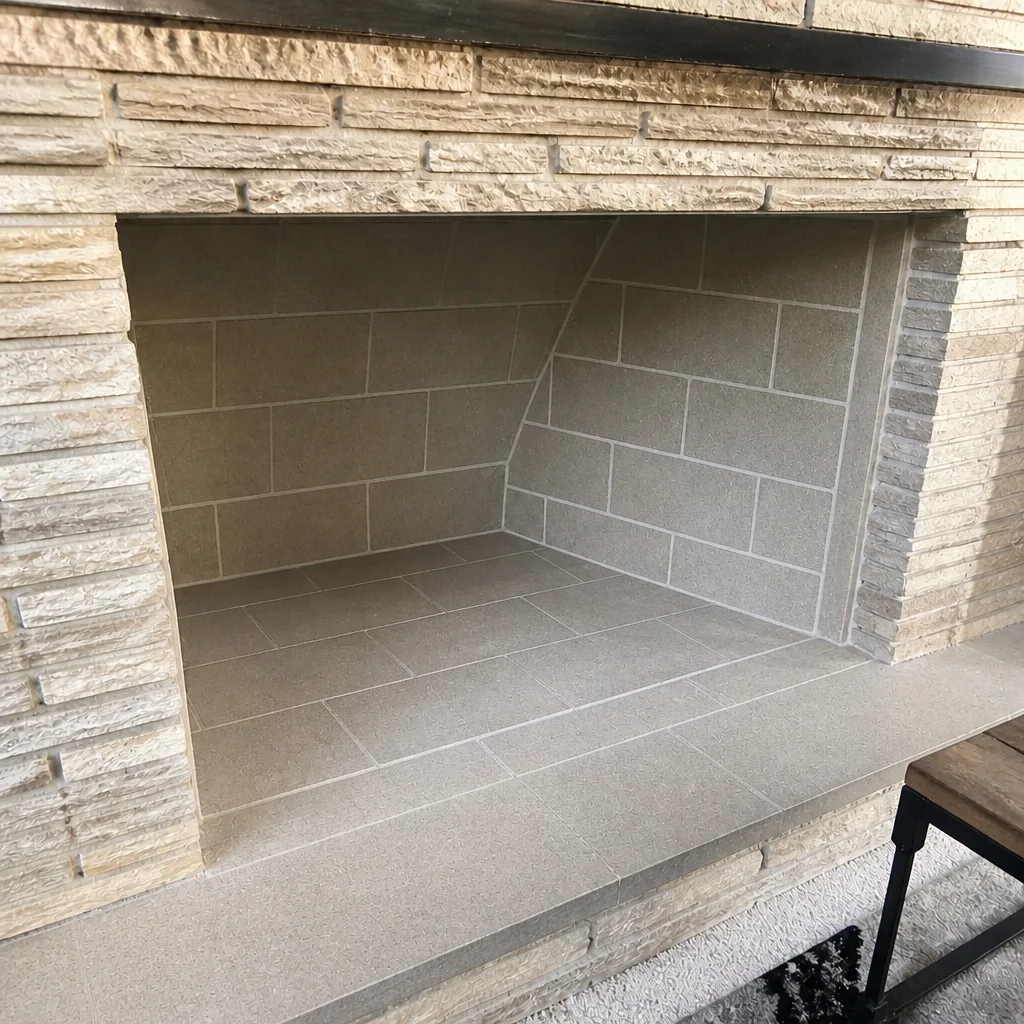
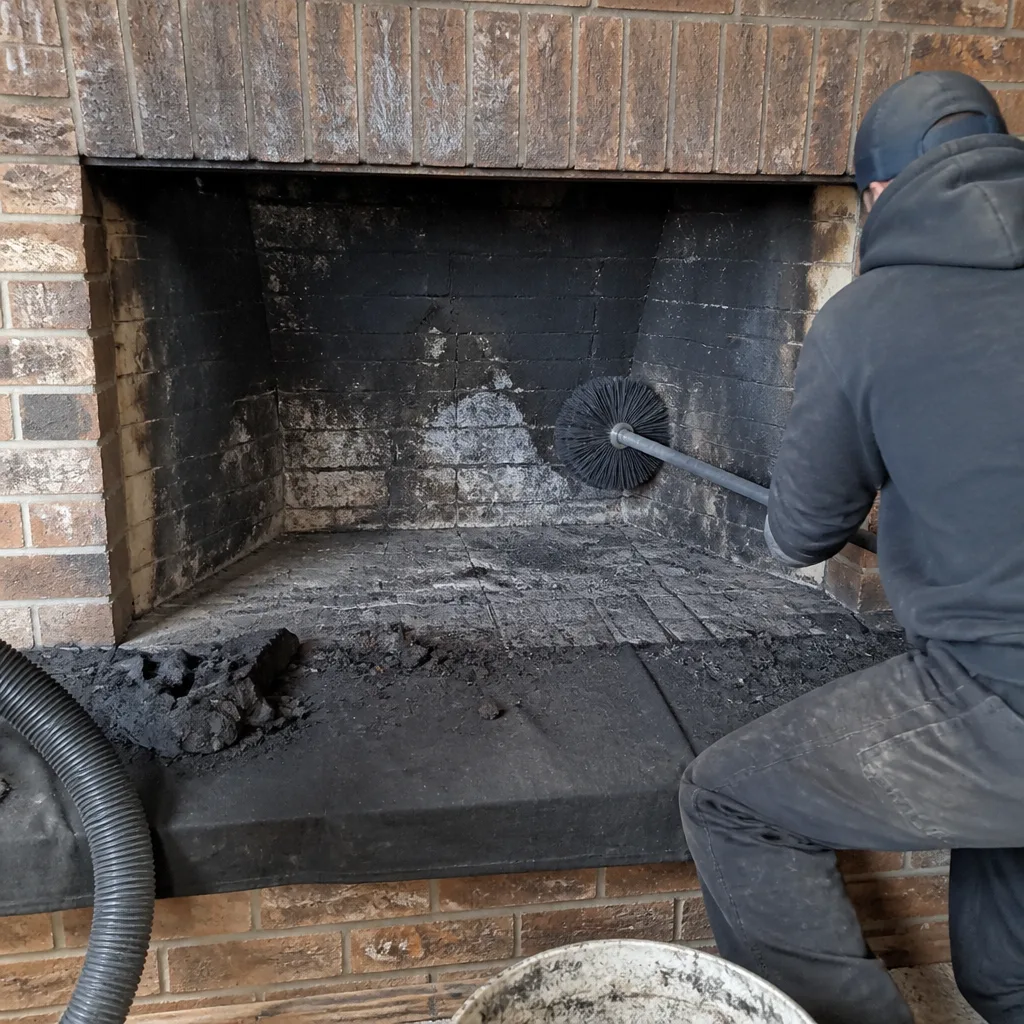
See the difference
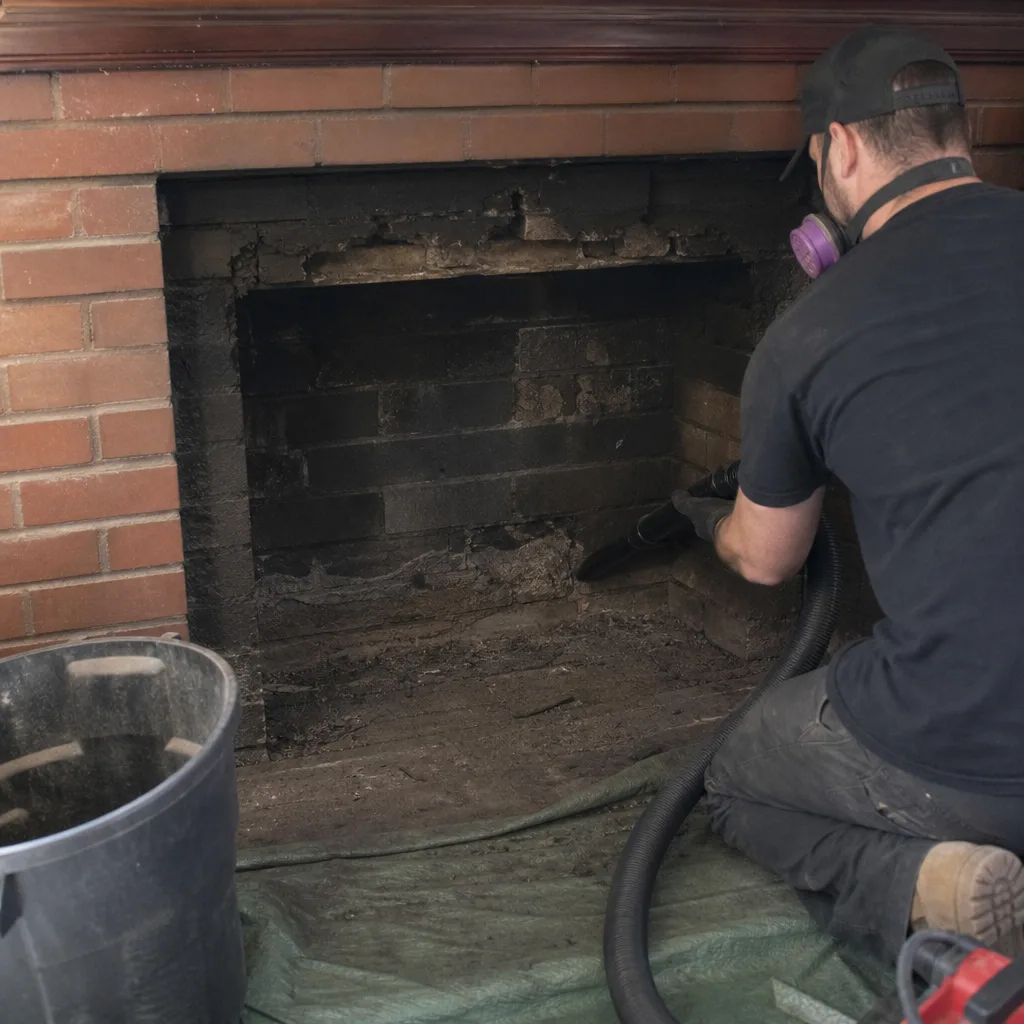 Before
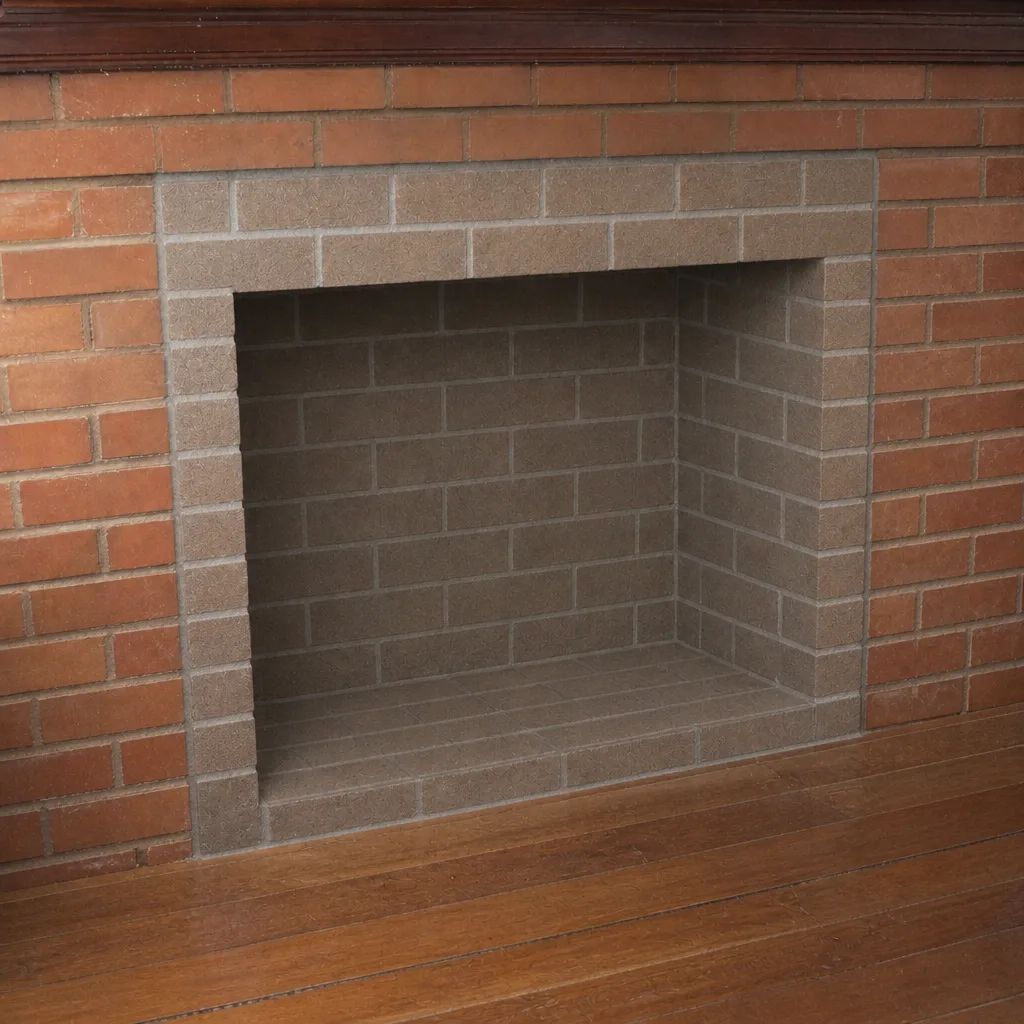 After
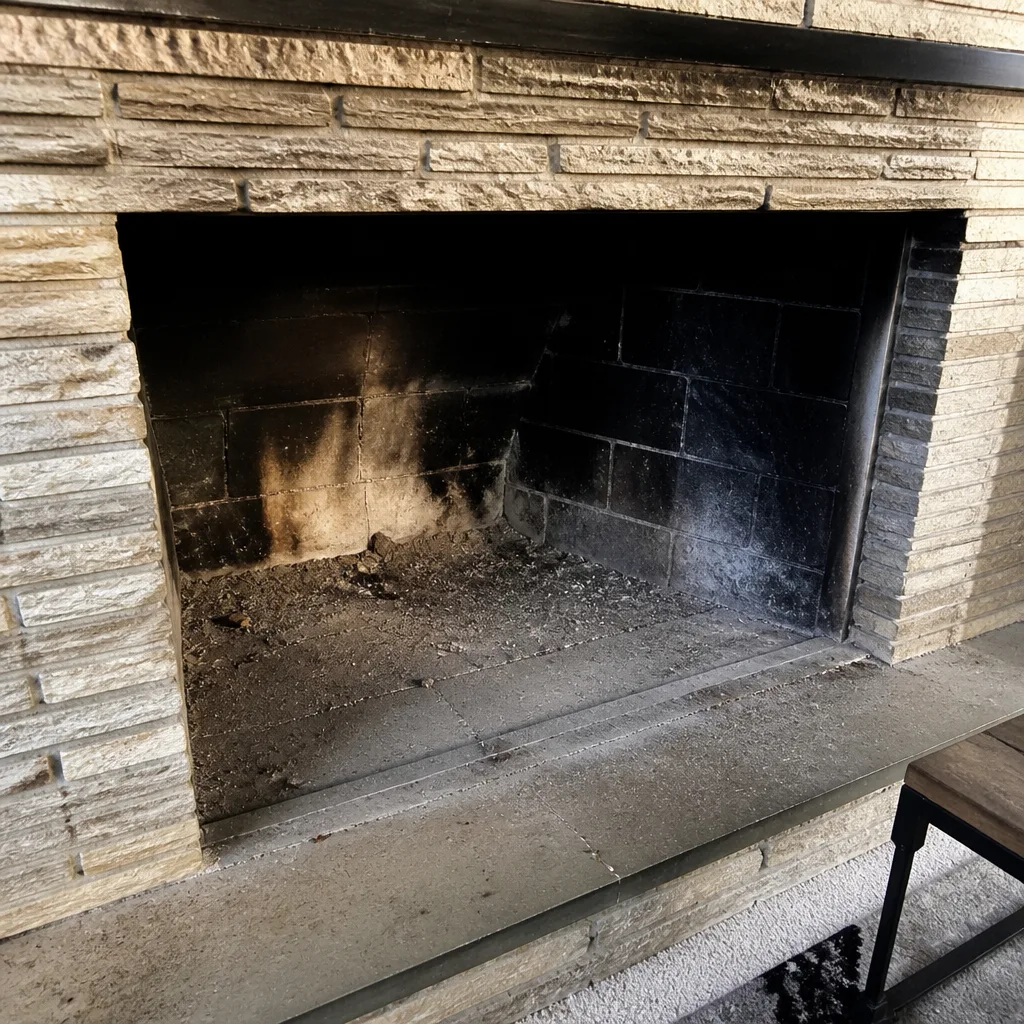 Before
 After
 Before
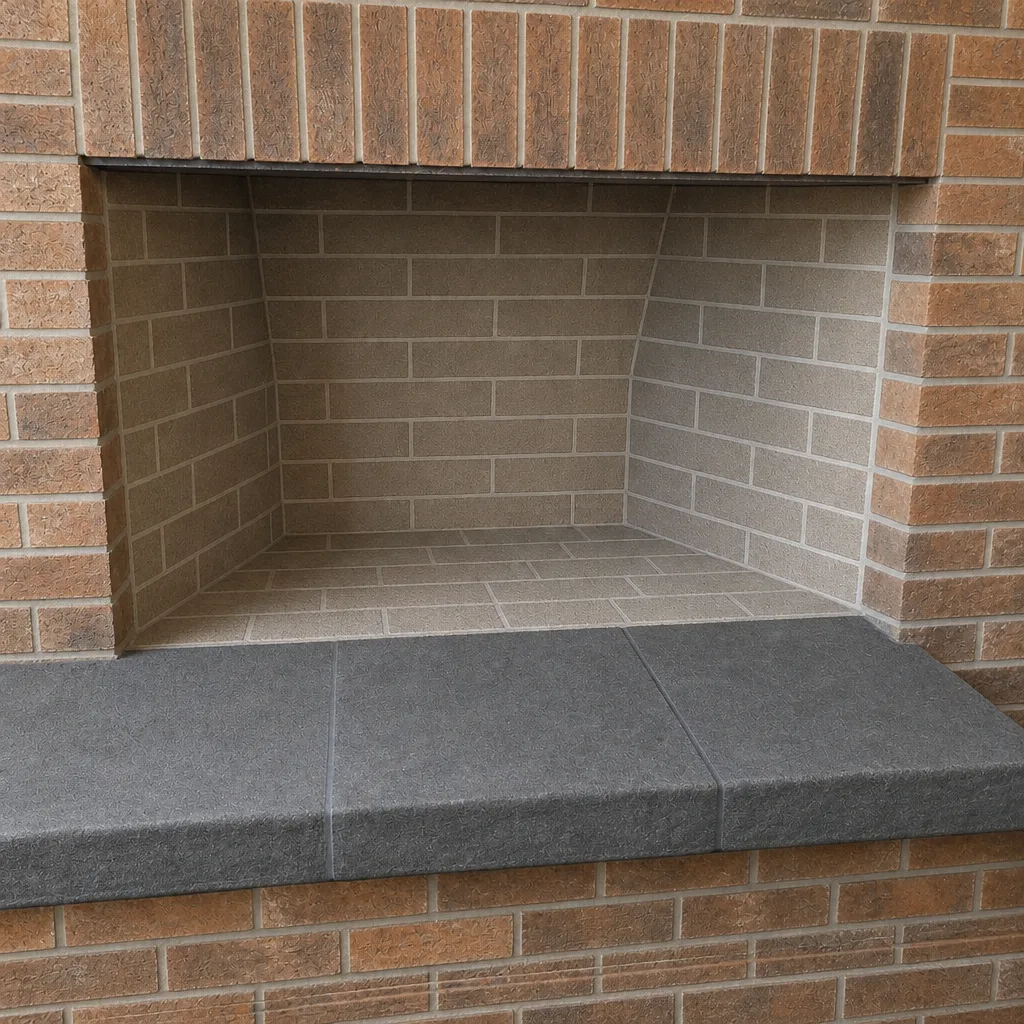 After
When to Call a Professional
Call a specialist when you’ve noticed smoke spilling into the room, a strong creosote smell, water stains on or near the chimney, or a fire that seems harder to light and burns worse than it used to. Call before relighting a chimney that’s sat unused, and before the season if you burn regularly at all. A chimney fire – even one that seemed minor – is a reason to book an inspection rather than guess. The work here ranges from a routine chimney sweep to full liner restoration, and the split of our work is diagnosis first, then the repair that actually fixes it. Auburn Chimney Sweep Pros offers free estimates in Auburn: call (877) 492-4265. We answer 24/7. Fast dispatch from 7am to 7pm, Sunday through Friday.
Frequently Asked Questions
Most Auburn homes that burn wood regularly need a cleaning and inspection once a year, before the fall season. Homes that burn often in low, smoldering fires or use wet wood may need it sooner. If the fire has been smoky or the flue seems sluggish, book a check rather than waiting for the calendar. Call (877) 492-4265 for an exact quote – estimates are free.
A sweep removes creosote and soot; an inspection assesses the condition of the crown, cap, flue, damper and firebox. They’re two services, and treating one as a stand-in for the other is how structural damage gets missed. In a wet climate like Auburn’s, having both is what gives you a safe chimney. Call (877) 492-4265 to book either one – estimates are free.
Not always. A damaged clay liner can often be restored with HeatShield resurfacing rather than fully replaced, and that’s a genuine alternative to a full install. Anything a technician recommends should be backed by camera footage you can see yourself, and a reputable pro will tell you plainly when a repair can safely wait. Call (877) 492-4265 for a free estimate.
Creosote builds up inside the flue, and glazed creosote is highly flammable; it can catch during a normal fire. Blockages can also send smoke and carbon monoxide back into the home. Skipping the sweep doesn’t just make the chimney dirtier – it makes it less safe to burn in. Call (877) 492-4265 to get it checked and cleaned.
A Level 1 is fine for a chimney in routine use with no known problems and is usually paired with the annual cleaning. A Level 2, which adds a camera look inside the flue, is the right call after a chimney fire, a change in appliance or fuel, a property sale, or any structural event. When in doubt, the camera tells you what the eye can’t. Call (877) 492-4265 for a free estimate.
Yes, cap and crown work is part of what we do, and it’s the most-skipped repair we see in a rainy climate like Auburn’s. A sound crown and cap stop water from degrading mortar and roting out the flue from the top down. We also handle fireplace repair and full chimney repair. Call (877) 492-4265 for a free estimate.
The Bottom Line
Chimney cleaning in Auburn isn’t a calendar chore; it’s a safety service shaped by a wet climate and how you burn. The glazed creosote that matters most forms during the long, mild, low-burn stretches this region creates, and wet wood from our common alder and big-leaf maple stacks makes it worse. Get the flue swept and inspected together, watch your wood and your crown and cap, and let a specialist read the whole system rather than just the soot. From annual sweep to full liner restoration, Auburn Chimney Sweep Pros covers the full lifecycle of a chimney – inspection, cleaning, cap and crown, liner repair with HeatShield and DuraFlex, and fireplace repair – so you don’t have to source multiple contractors. Call (877) 492-4265 for a free estimate. We answer 24/7. Fast dispatch from 7am to 7pm, Sunday through Friday.
Written by the team at Auburn Chimney Sweep Pros.