
Last updated November 25, 2026
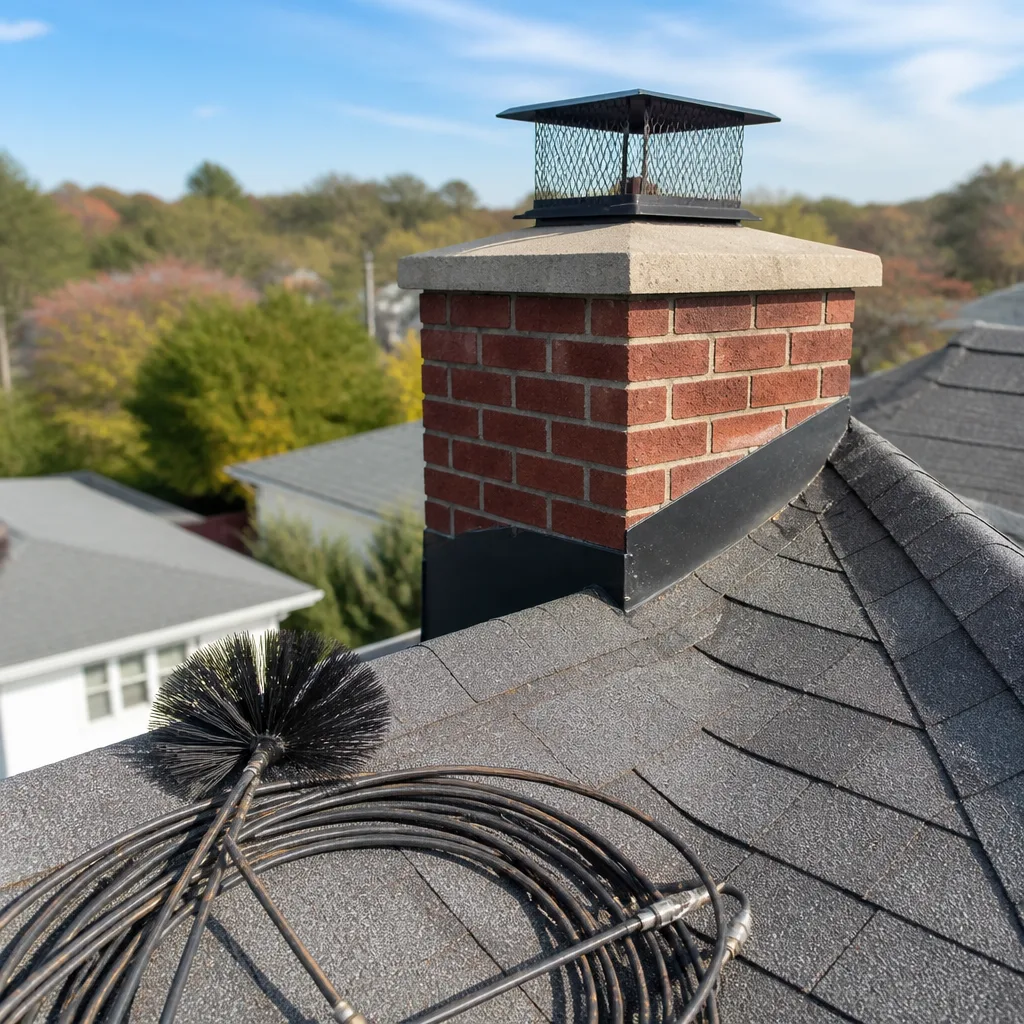 Sweep & inspection
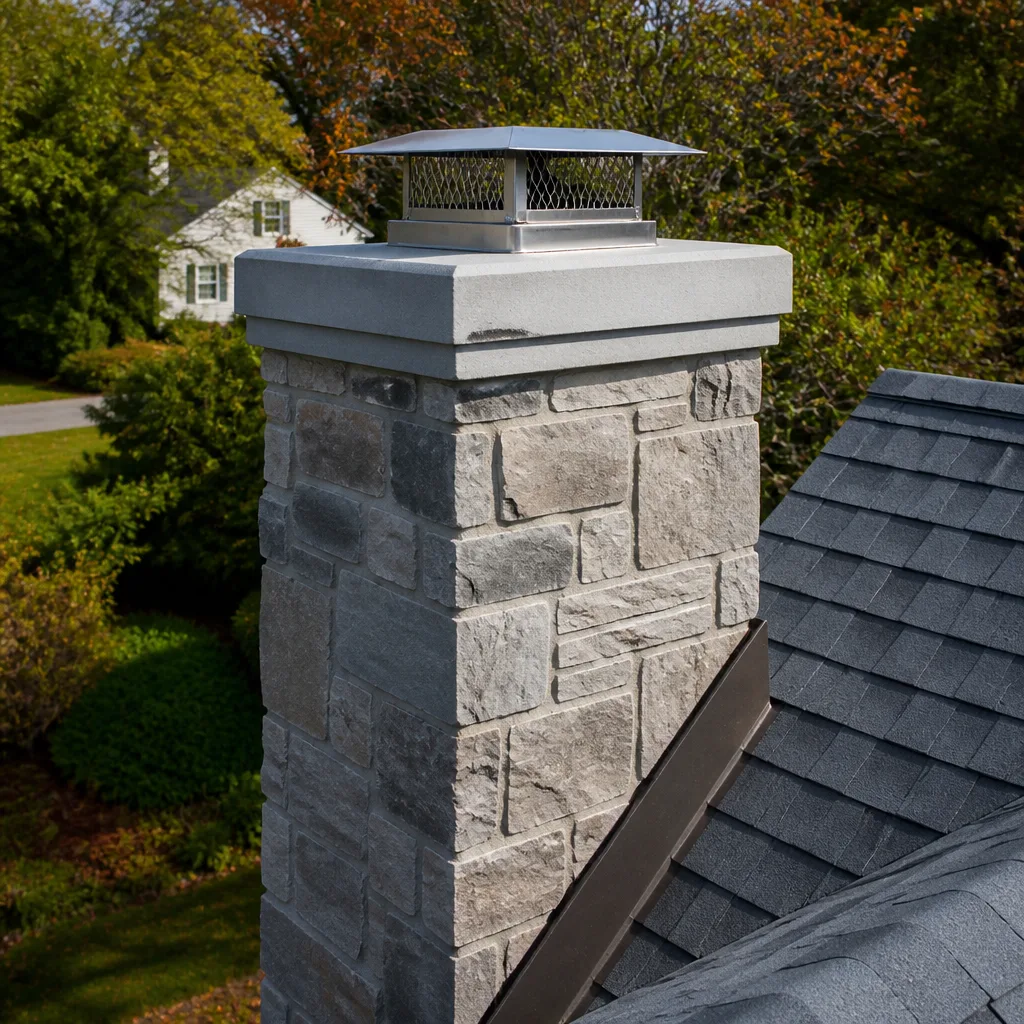 Caps & crowns
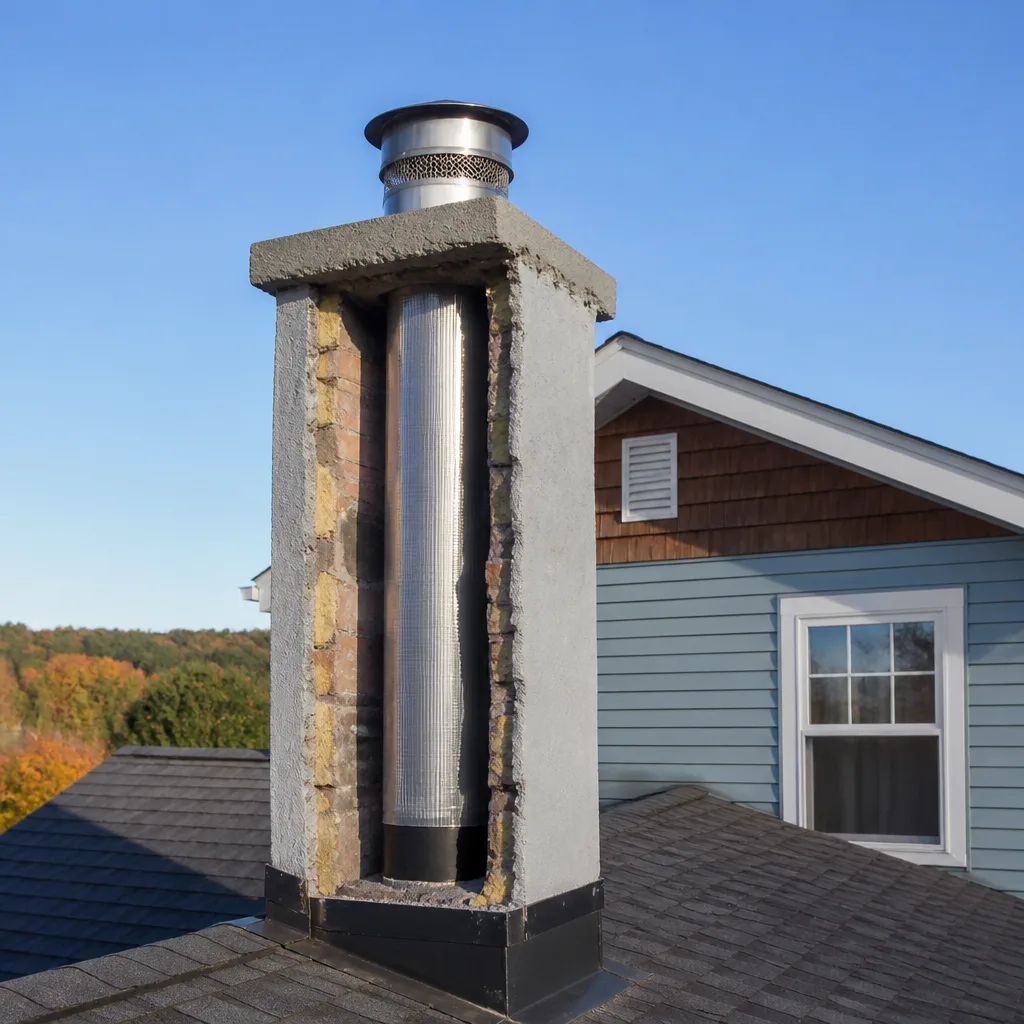 Flue relining
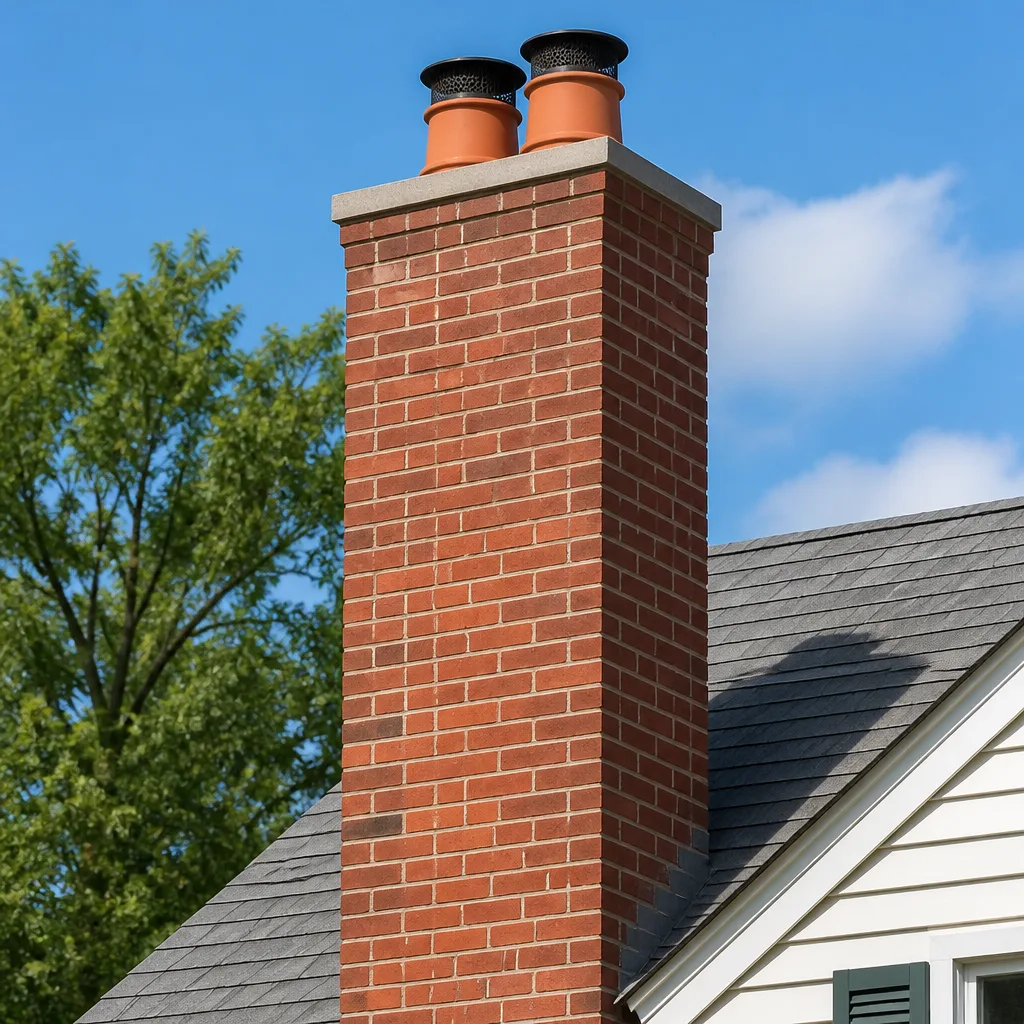 Masonry repair
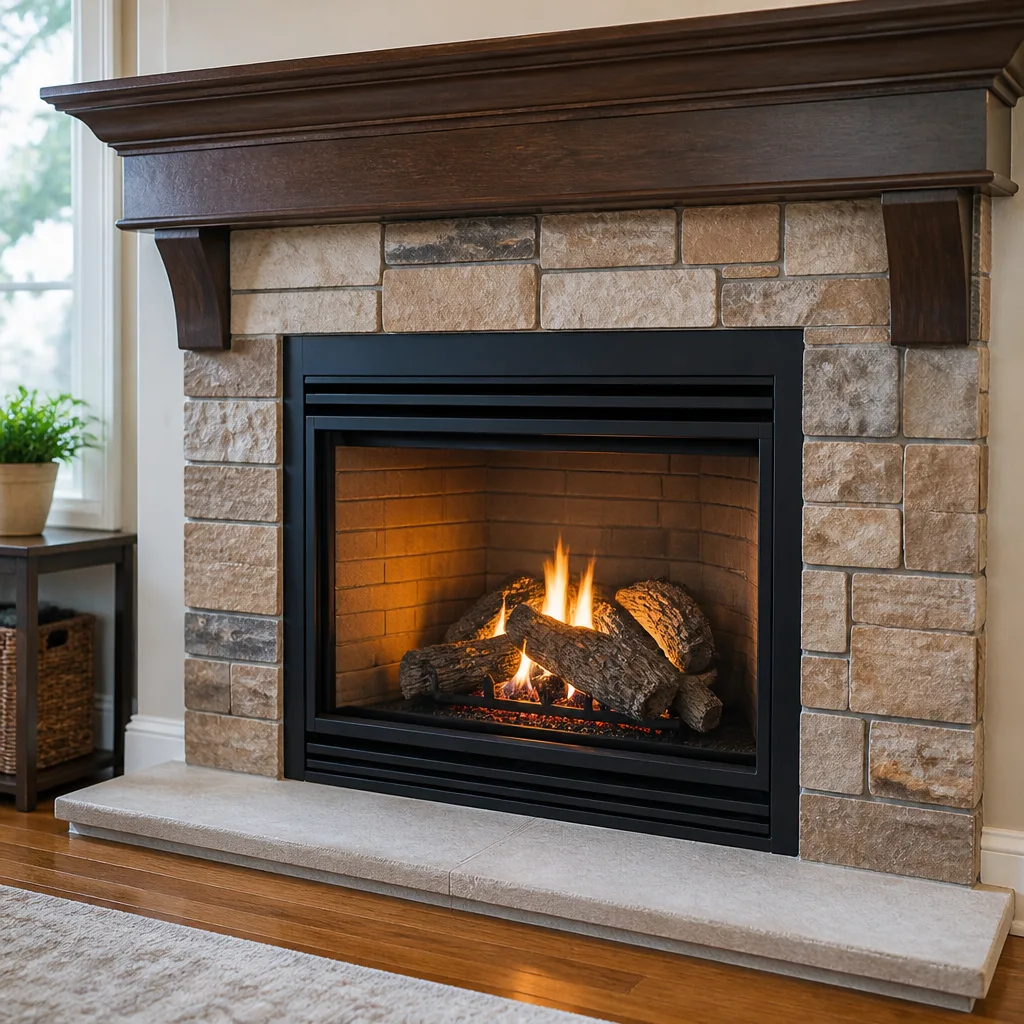 Gas fireplace service
Level 1 sweep and inspection to the NFPA 211 annual standard - flue, crown, cap, and flashing checked and photographed
Chimney sweep logs do not sweep chimneys. They loosen some creosote - which then falls where a brush and vacuum still have to collect it.
How to Hire a Chimney Cleaning Contractor in Auburn: A Step-by-Step Guide
Here’s the part of chimney care that surprises most homeowners in Auburn. The credential that actually matters, CSIA certification, takes roughly 100 hours of study and a proctored exam. Nothing in Washington State law stops an uncertified handyman from charging around $150 to run a brush through your flue and hand you a receipt that says “clean.” A brush in a chimney is not the same as a chimney professional, and the gap between those two things is where real problems hide. This guide gives you a concrete vetting framework: what CSIA and NFI credentials actually cover, how to verify them in about a minute, which red flags signal a rushed job, and what a legitimate written inspection report should contain. You’ll learn how to tell an Auburn chimney specialist from someone who just owns a brush.
Quick Answer
To hire a chimney cleaning contractor in Auburn, verify the technician’s CSIA or NFI credential on the certifying body’s public database before you book, confirm they include a camera inspection and written report, and ask specifically how they evaluate your liner system rather than just the creosote. A legitimate sweep offers a clear written report with photos, doesn’t pressure you into repairs on the spot, and can explain what your flue is made of and how it performs. If a contractor can’t answer liner questions or won’t provide documentation, keep looking.
Styles & brands we work with
- Sweep & inspection
- Caps & crowns
- Flue relining
- Masonry repair
- Gas fireplace service
Table of Contents
- What CSIA and NFI Credentials Actually Cover
- How to Verify a Chimney Credential in 60 Seconds
- Red Flags in Low-Cost Sweep Offers
- Questions to Ask Before You Book
- What a Legitimate Inspection Report Should Contain
- How to Read Reviews for Chimney Work
- Auburn Conditions That Affect Your Chimney
- Common Mistakes to Avoid
- When to Call a Professional
What CSIA and NFI Credentials Actually Cover
CSIA and NFI credentials measure different things, and knowing the difference tells you which one to look for. The Chimney Safety Institute of America, or CSIA, certifies chimney sweeps. Candidates study for roughly 100 hours and pass a proctored exam covering venting, combustion, liner systems, and inspection standards. Recertification requires continuing education, so a current CSIA credential means the technician stays current on codes and methods. The National Fireplace Institute, or NFI, certifies hearth specialists in gas, wood, and pellet appliances rather than in sweeping itself.
For a routine cleaning in Auburn, a CSIA-certified sweep is the baseline. For work on a gas insert, a wood stove, or a fireplace appliance, an NFI credential on top of that is a meaningful signal. In our experience, the credentialed technician will bring the subject up before you ask, because they’re proud of the training and know it separates them from the handyman down the road.
Here’s what those credentials actually guarantee:
- A verified body of knowledge about venting, combustion byproducts, and liner systems
- Familiarity with industry inspection standards, so your report follows a recognized format
- Continuing education requirements that keep certification current
- Accountability to a certifying body you can contact if something goes wrong
What they don’t guarantee is that every job gets a camera inspection or a written report. Those are choices the contractor makes, and they’re the ones you need to confirm directly. A credential opens the door; it doesn’t walk through it for you.
How to Verify a Chimney Credential in 60 Seconds
You can verify a CSIA or NFI credential in about a minute using the certifying body’s public online database. Both organizations maintain searchable directories of current certificate holders. Ask for the technician’s name and certification number, then look it up yourself. A current listing means the credential is active. A missing listing means it isn’t, even if the technician claims otherwise.
Work the verification into the booking call. It takes less time than confirming a dinner reservation. Follow this sequence:
- Ask who will actually perform the work, not just who answers the phone.
- Request the technician’s name and CSIA or NFI certification number.
- Open the certifying body’s public database on your phone while you’re still on the call.
- Search the name and confirm the credential is current and not lapsed.
- Ask whether the same person will perform the inspection and the sweep.
- Confirm the company provides a written report after the visit.
If a company hesitates to share a certification number, that tells you something useful. A credentialed technician expects the question and answers it in seconds. In Auburn, where the market includes everyone from dedicated chimney specialists to gutter companies that sweep on the side, verification is the single fastest way to sort one from the other. It costs you a minute and saves you a season of uncertainty.
Red Flags in Low-Cost Sweep Offers
The clearest red flag is a sweep offer that includes no camera inspection. Creosote is only half the picture. A camera inspection looks at the liner, the flue joints, the smoke chamber, and the crown, and it’s the only way to catch a cracked tile or an obstruction before it becomes a hazard. A visual glance up the flue from the firebox isn’t the same thing, and a technician who skips the camera is guessing at your system’s condition.
The second red flag is no written report. A verbal “looks fine” after a twenty-minute visit tells you the technician looked, not what they found. Every meaningful inspection ends with documentation you keep, because you’ll want it next year for comparison. Watch for these signals as you compare quotes:
- No camera inspection offered at any price point
- No written report, or a report that’s a fill-in-the-blank form with two lines filled in
- Same-day availability on short notice with no waitlist, which usually means no backlog of real work
- A technician who can’t tell you what your liner is made of
- Pressure to approve repairs before you’ve seen the findings
- A quoted price far below the rest of the market with no explanation of what’s excluded
- No certification number, or a number that doesn’t check out in the public database
In our experience, a sweep that comes with a thorough inspection takes longer and costs more than a brush-only visit, and that’s the correct outcome. The point isn’t surface creosote removal. It’s a chimney that’s safe to burn in, and you can’t know that from the outside.
Questions to Ask Before You Book
The questions that reveal whether a contractor understands chimney systems, rather than just surface creosote, are the ones about your liner. A technician who knows liners will explain how a damaged clay tile can let heat reach framing, why a correctly sized stainless liner matters for draft in a modern appliance, and when a flexible liner system such as DuraFlex is the right fit versus restoring an existing clay flue. A technician who doesn’t know liners will change the subject.
Ask these before you book, and listen for whether the answers are specific or general:
- What material is my current liner, and how do you evaluate its condition?
- Do you perform a camera inspection, and is a photo report included?
- How do you measure whether my flue is correctly sized for my appliance?
- When a clay tile is damaged, do you always replace the liner, or can it sometimes be restored?
- What will the written report contain, and when do I receive it?
- Can I get an inspection without committing to a sweep?
That last question matters more than it looks. A company willing to sell inspection as a standalone service is signaling that the diagnosis stands on its own merit, not on whether it converts into add-on work. We’ve seen homeowners get more honest information from a diagnostic visit than from a package deal, because the technician is only accountable for the findings.
Also ask about repair capability. Full-spectrum chimney care means inspection, cleaning, chimney cap & crown work, liner repair, and structural fireplace repair can happen without you sourcing three contractors. A sweep-only crew can clean your flue but may have nowhere to send you when the crown is cracked.
What a Legitimate Inspection Report Should Contain
A legitimate written inspection report documents your system’s condition in enough detail that another professional could review it independently. It should identify each component, describe its condition, and tell you whether the system is safe to use, needs attention, or should not be used until repaired. A verbal “looks fine” after a short visit doesn’t meet that bar. Neither does a report that records only “chimney cleaned.”
The findings should follow a recognized structure, with photos or video from the camera inspection. Look for these elements:
- Each component inspected and its condition: firebox, flue, liner, smoke chamber, damper, crown, cap, and flashing
- Creosote level in the flue, described by degree, so you can compare next year
- Camera footage or still photos of the liner interior, not just a written claim
- Obstructions, cracks, gaps, or separations, and their location
- A clear statement of whether the system is safe to use now
- Recommended repairs, each tied to a specific finding, with a distinction between urgent and monitor-and-address
The distinction between “repair now” and “safe to defer” is the honest part of the report. We tell homeowners plainly when work can safely wait, because a cracked crown that’s letting in water isn’t an emergency tonight but won’t improve on its own. You should leave an inspection knowing exactly which findings are urgent and which are on your calendar.
How to Read Reviews for Chimney Work
Reviews for chimney work reveal more than a star rating if you read the language. The reviews that signal a thorough job are specific about what was done: the reviewer names the camera inspection, describes a written report, mentions that the technician explained the findings, or says the technician recommended waiting on a repair. Those details are hard to fake because they describe actual work.
The reviews that signal a rushed job are vaguer. Watch for phrasings like “in and out in fifteen minutes,” “cleaned and gone,” or “couldn’t tell me what was wrong.” Fast isn’t automatically thorough in this trade. A proper cleaning with inspection takes time because the technician is checking the liner, the crown, and the smoke chamber, not just running a brush.
When you read reviews for a sweep in Auburn, sort for the ones that describe the report. A reviewer who says “they showed me the camera footage and walked through what they found” is describing an inspection-forward service. A reviewer who says “best price in town” and nothing else hasn’t told you whether the job was actually done well. Look for reviews that mention whether the technician explained what work could wait. That’s the mark of an honest diagnosis.
Auburn Conditions That Affect Your Chimney
Auburn’s wet winters and the region’s frequent cool, damp stretches matter to your chimney. When a season brings steady rain and long damp periods, a chimney crown takes a beating and the block above the flue can weather faster than in drier climates. A cracked crown lets water into the masonry, which freezes and expands in a cold snap, and the damage compounds from there. Cap and crown work isn’t cosmetic in this climate. It protects the whole structure from the top down.
Wood-burning households in Auburn tend to burn in concentrated stretches during cooler months, which builds creosote faster than intermittent use. A home that sits unused through the summer and then burns heavily in the fall needs a sweep before the season starts, not after. If you’re stocking wood, well-seasoned fuel burns cleaner and produces less creosote than green wood, but no fuel choice eliminates the need for an annual inspection.
The region’s older housing stock can also mean clay-tile liners that were standard at the time and are showing their age. A tile that’s cracked or a joint that’s separated allows heat into the surrounding structure, and that’s exactly the condition a camera inspection catches. When the liner is damaged, we often can restore it with HeatShield resurfacing rather than replace it, which keeps the cost down while restoring the flue to safe function. For a full replacement, a flexible stainless liner system like DuraFlex handles offsets and flue shapes that rigid pipe can’t.
Common Mistakes to Avoid
- Booking on price alone. A quote far below the rest of the market almost always means no camera inspection or no written report. Compare what’s included before you compare numbers.
- Skipping the credential check. Ask for the certification number and look it up. In Auburn, an uncertified handyman can charge a low fee and give you nothing that tells you your chimney is safe.
- Treating the sweep as the whole job. A clean flue with a cracked crown still takes on water. Ask whether cap and crown condition were checked, because that’s the source most sweep-only companies ignore.
- Accepting a verbal all-clear. If no written report with photos arrives after the visit, you have no record for next year and no way to verify a recommendation you’re being asked to approve.
- Approving repairs without seeing the finding. Every recommendation should be tied to a specific camera finding you can see. If you can’t see it, don’t approve it yet.
- Assuming a full liner replacement is the only option for a damaged clay tile. Restoration is often possible when the tile is compromised but the structure holds. Ask whether the liner can be resurfaced before you accept a replacement quote.
- Waiting until you smell smoke to act. By the time a problem shows as smoke or a draft, the useful information is already in a camera inspection you could’ve had earlier.
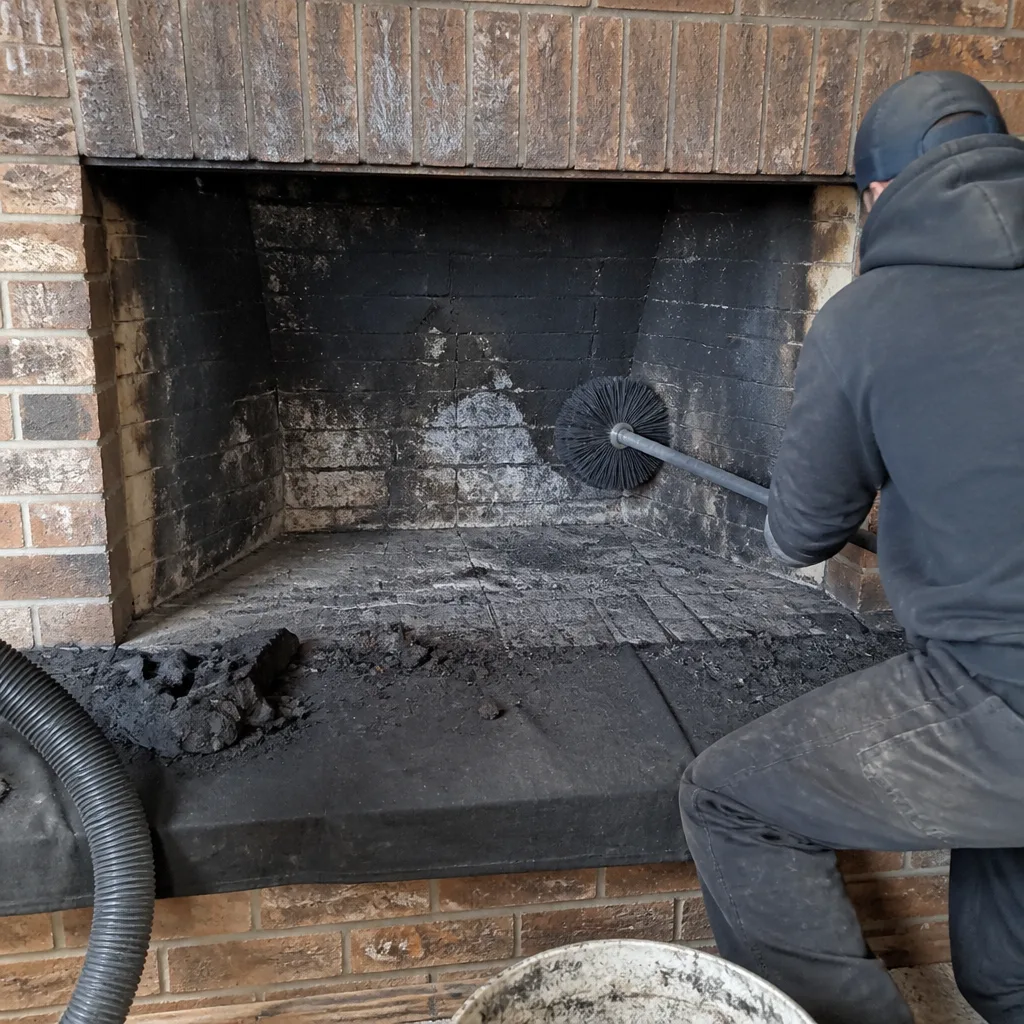
See the difference
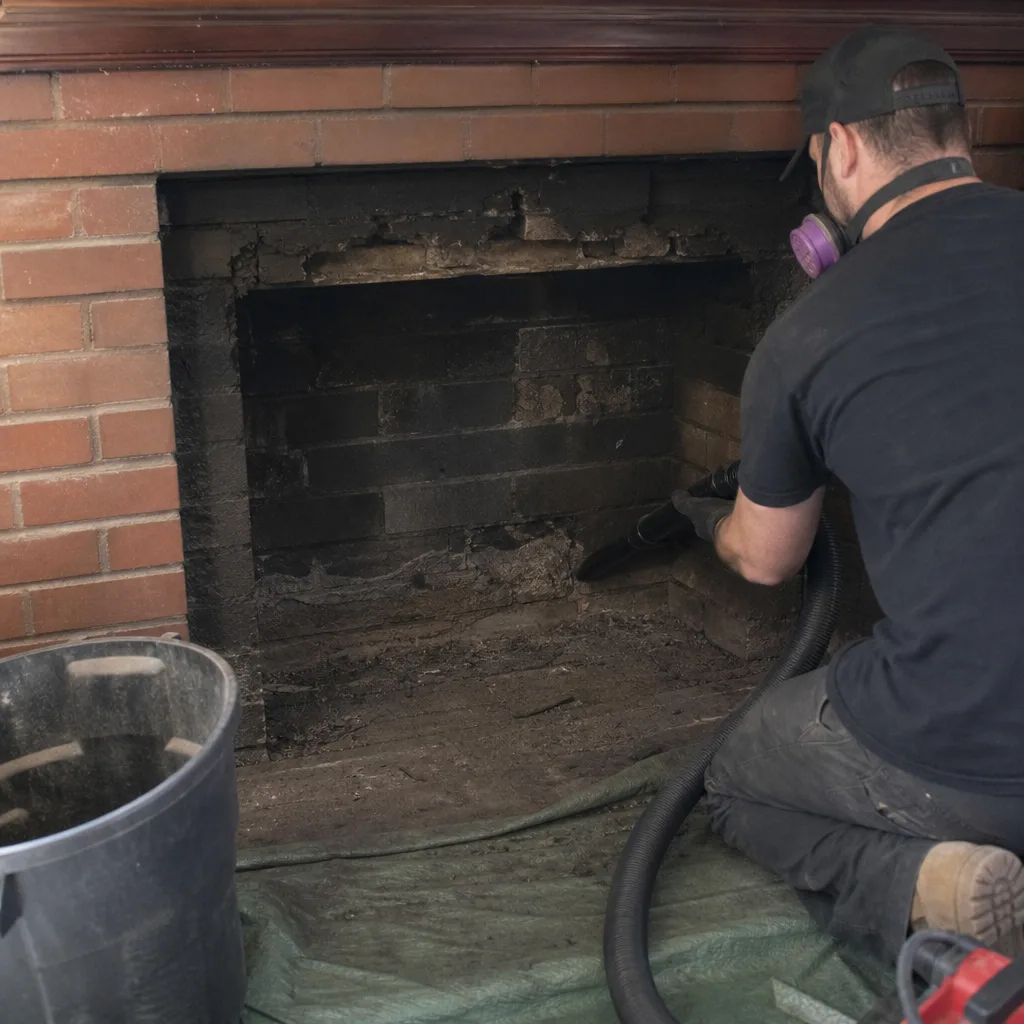 Before
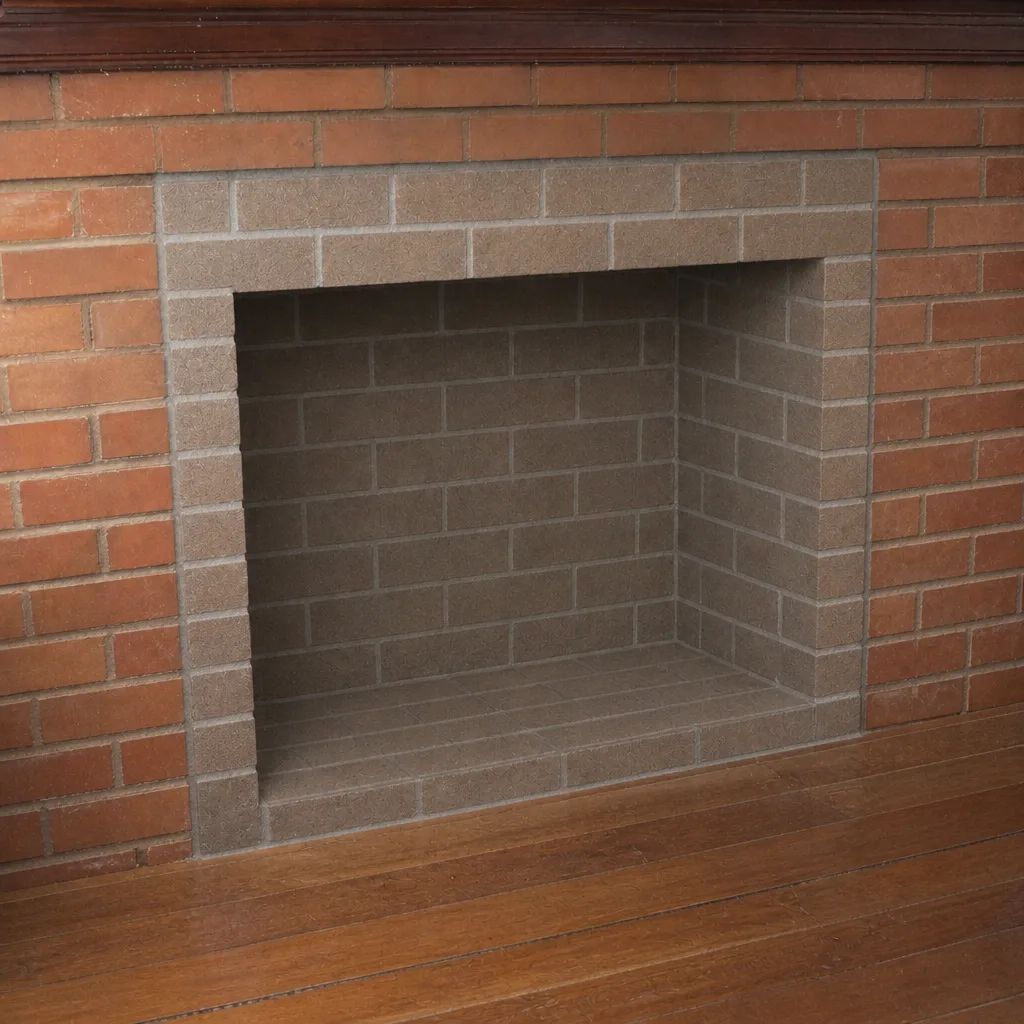 After
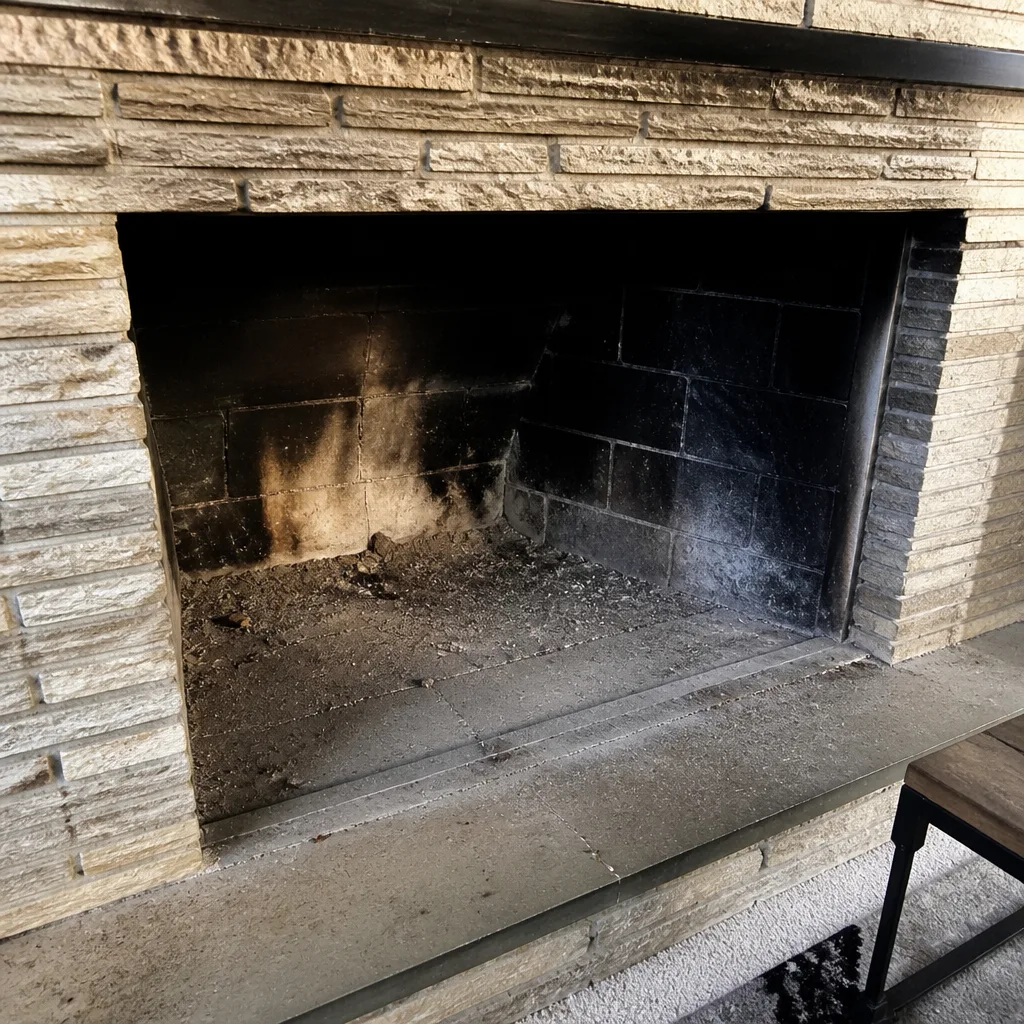 Before
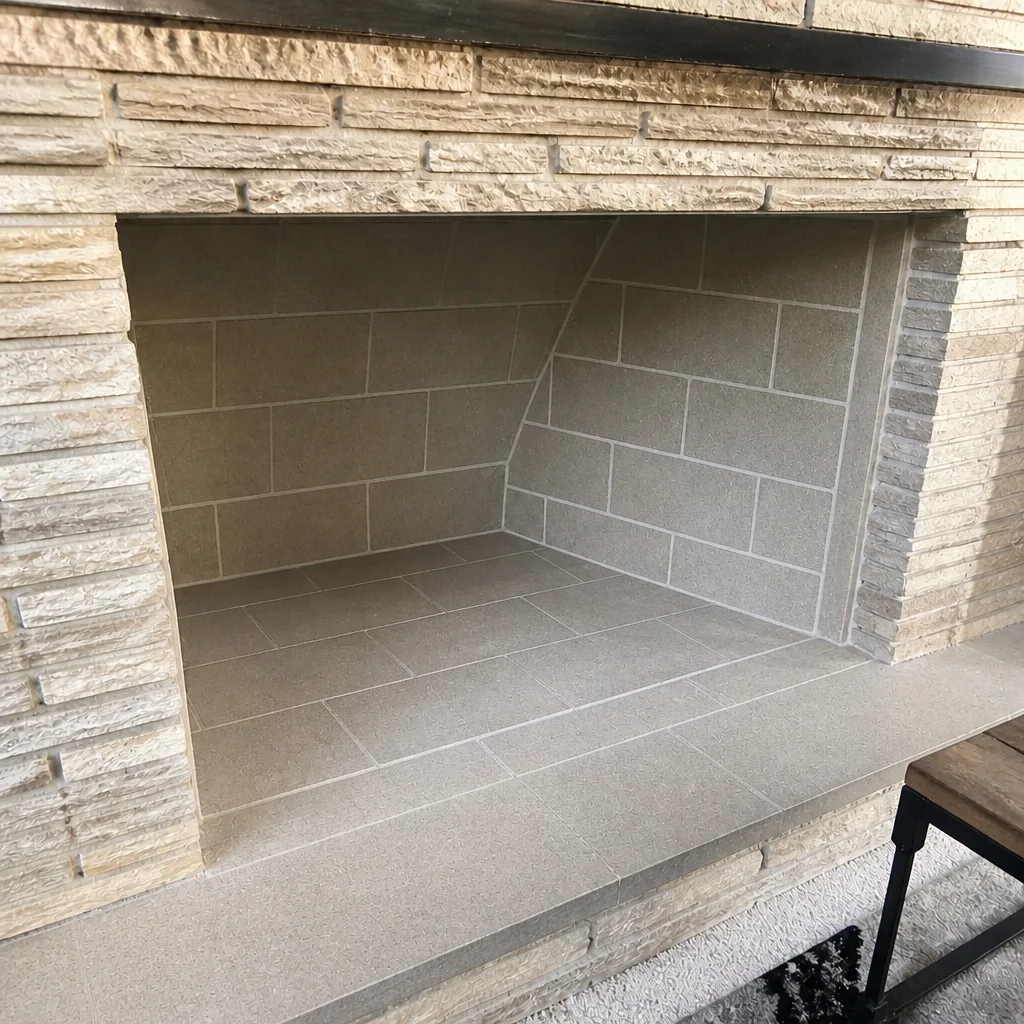 After
 Before
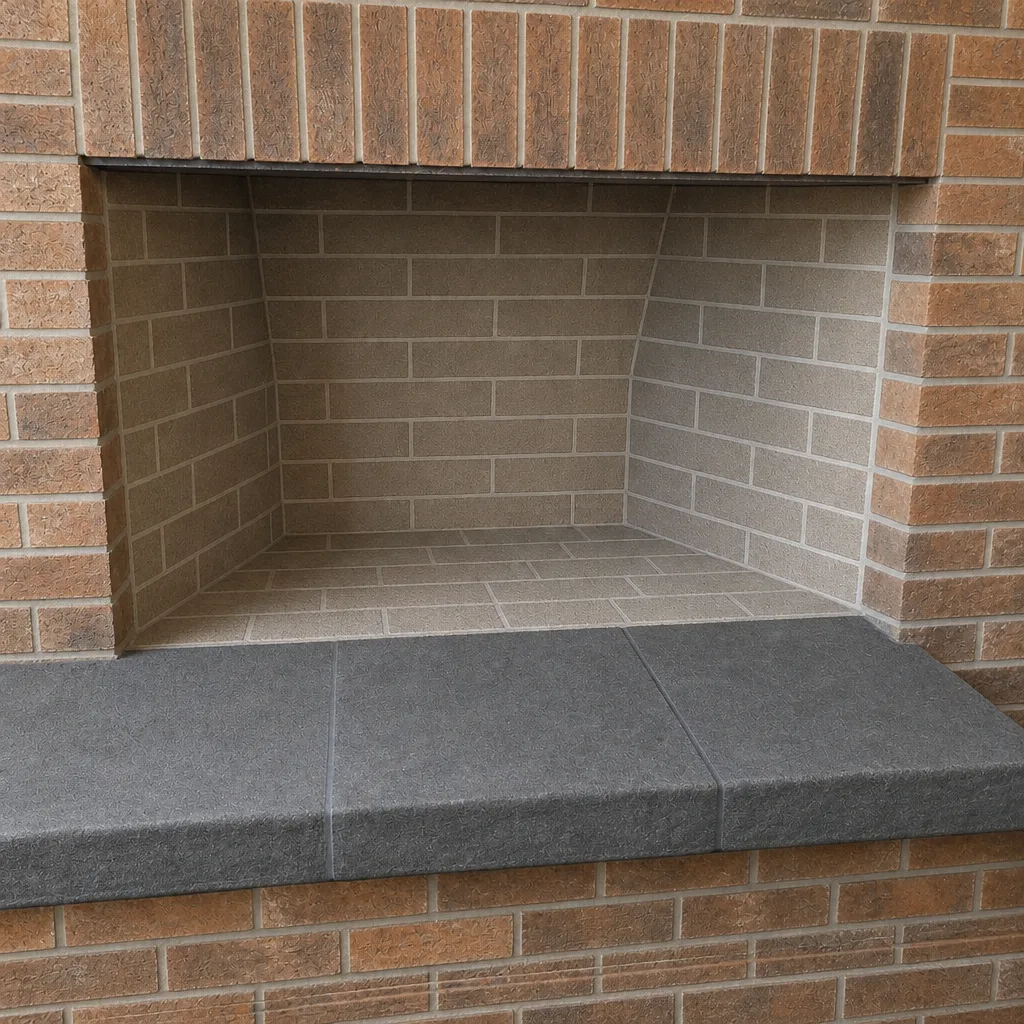 After
When to Call a Professional
Call a professional when you don’t have a report from the last year, when you’ve moved into a home and don’t know the chimney’s history, or when you notice a draft, smoke backing into the room, or creosote buildup on the firebox walls. Call before your first burn of the season if the flue hasn’t been inspected since last winter. And call if a previous sweep handed you a verbal “looks fine” with no paperwork, because that’s an incomplete picture of your system.
Carbon monoxide is the reason to act on what an inspection tells you. A blocked or damaged flue can let combustion byproducts into your home, and that risk is the reason the annual inspection exists. It’s not a scare tactic; it’s the reason to keep the system in working order.
Auburn Chimney Sweep Pros offers free estimates in Auburn. Call (877) 492-4265 to book an inspection or a sweep, and you’ll get the written findings that let you decide what’s actually needed.
Frequently Asked Questions
Ask for the technician’s name and CSIA or NFI certification number, then look it up in the certifying body’s public online database. It takes about a minute. A current listing confirms the credential is active; a missing listing means it isn’t. Run the check before you book rather than after.
Yes, you should ask for one. A camera inspection is the only way to see the condition of the liner, the flue joints, and the smoke chamber, and surface creosote removal doesn’t reveal those problems. If a contractor doesn’t offer a camera inspection, that’s your red flag. Call (877) 492-4265 for an inspection that includes camera findings and a photo report.
A legitimate report identifies each component of your system, describes its condition, and states clearly whether the chimney is safe to use. It should include camera photos or video, describe the creosote level, and tie each recommended repair to a specific finding. It should also distinguish urgent repairs from work that can safely wait.
No. A proper visit includes inspection time and produces a written report, so a short visit with no documentation is a sign the job was rushed. Fast isn’t the same as thorough in chimney work. If you’ve had a visit like that, book an inspection to get a real picture of your system.
Often yes. When a clay tile is cracked or a joint has separated, liner restoration can resurface the flue rather than replace it, which is a cost-effective alternative to a full liner job. We’re qualified to perform HeatShield restoration, and we use flexible liner systems like DuraFlex when replacement is the right answer. An inspection tells you which applies.
You should be able to see the finding the recommendation is based on, whether that’s a camera photo, a cracked crown, or a separated joint. If a technician recommends work you can’t see evidence for, ask to see it before approving. We tell homeowners plainly when a repair can safely wait, and you can call (877) 492-4265 to discuss what an inspection actually found.
The Bottom Line
Hiring a chimney cleaning contractor in Auburn comes down to three checks: verify the credential in the public database, confirm a camera inspection and written report are included, and ask the liner questions that a specialist can answer and a handyman can’t. Those three steps separate the credentialed professional from someone who owns a brush. Use the questions in this guide before you book, read reviews for the language that describes real work, and insist on documentation you can keep. A chimney that’s safe to burn in starts with a clear diagnosis, and a clear diagnosis starts with the right contractor. Call (877) 492-4265 for a free estimate.
Written by the team at Auburn Chimney Sweep Pros.