
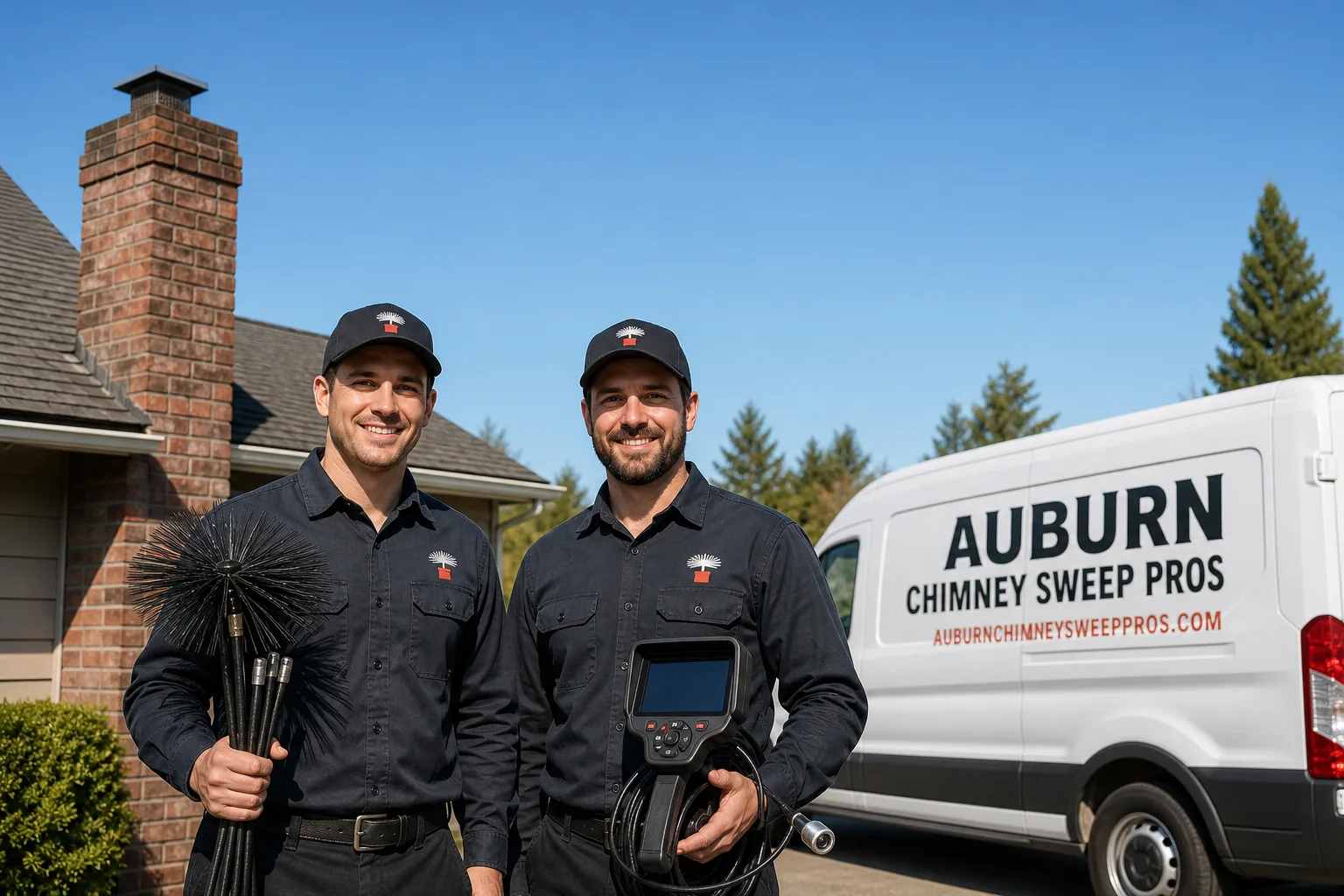
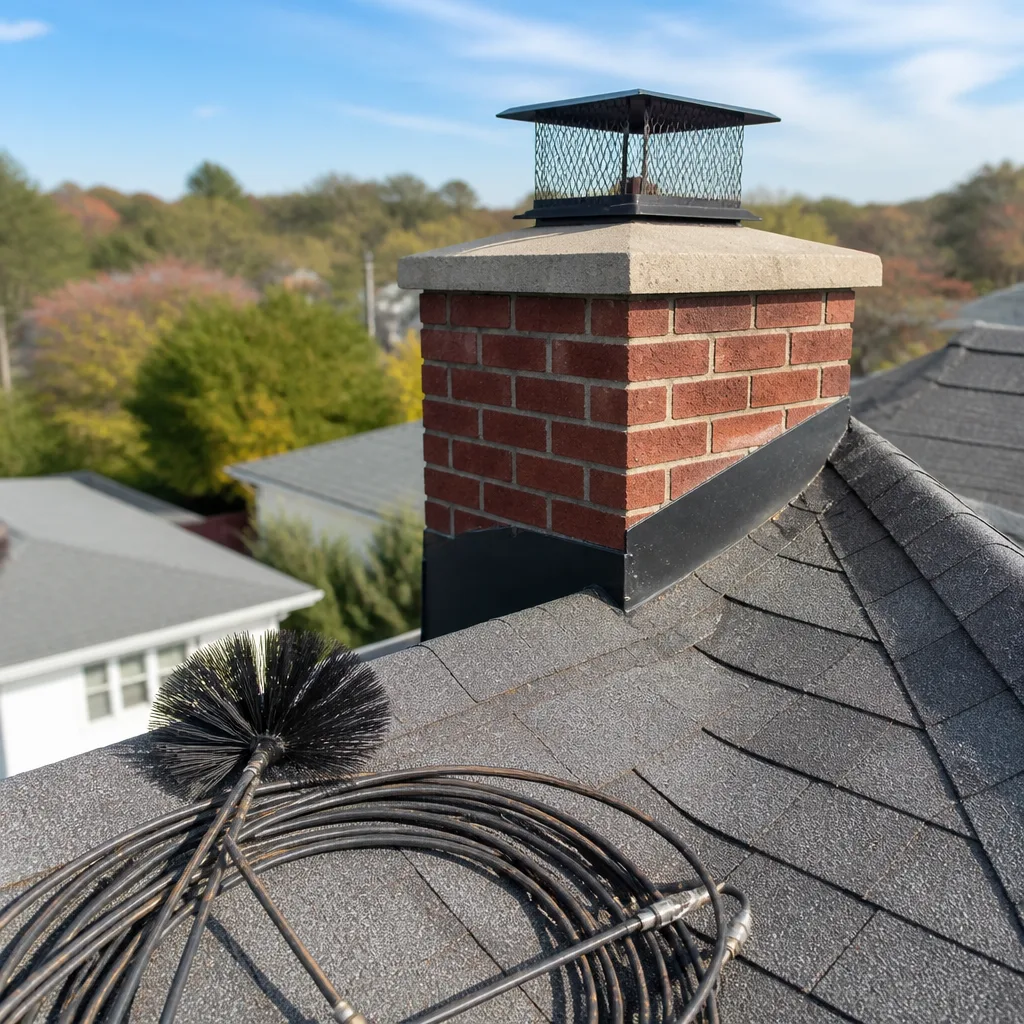
 Sweep & inspection
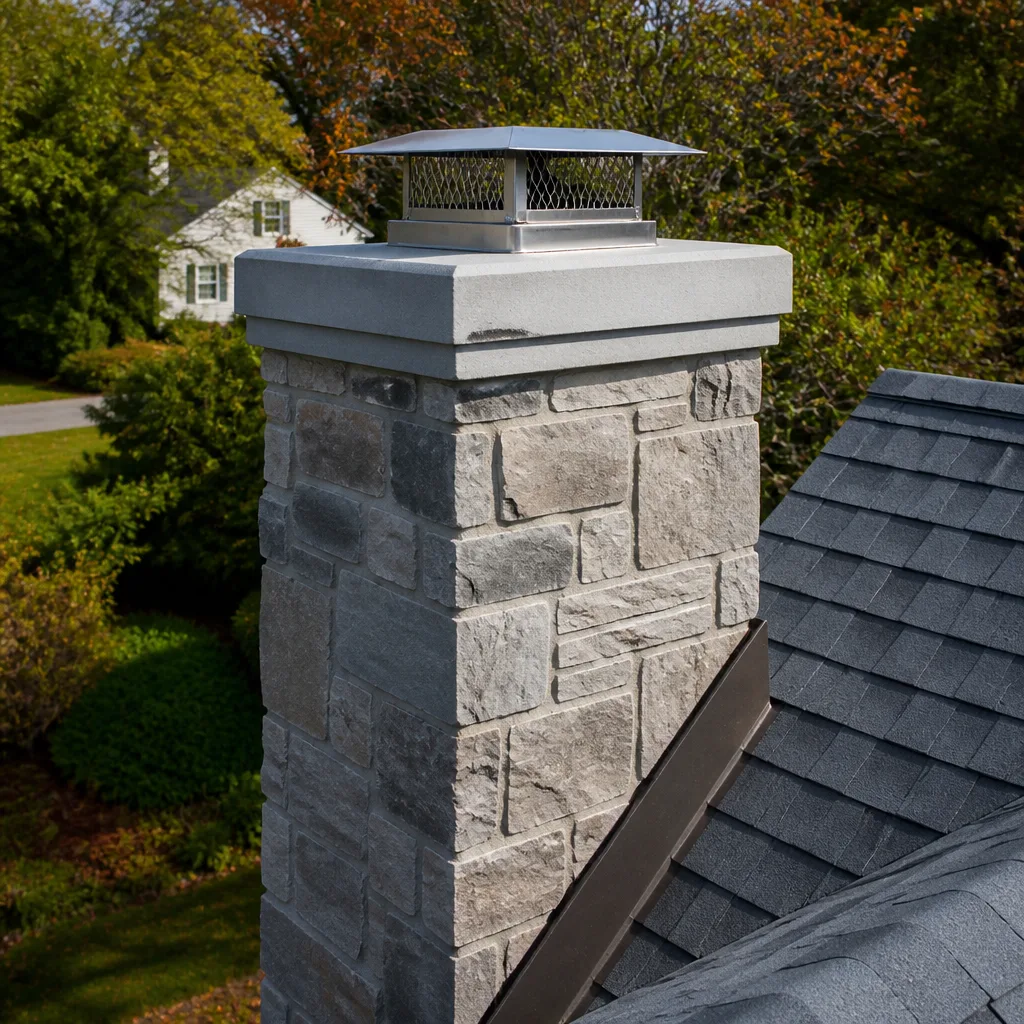 Caps & crowns
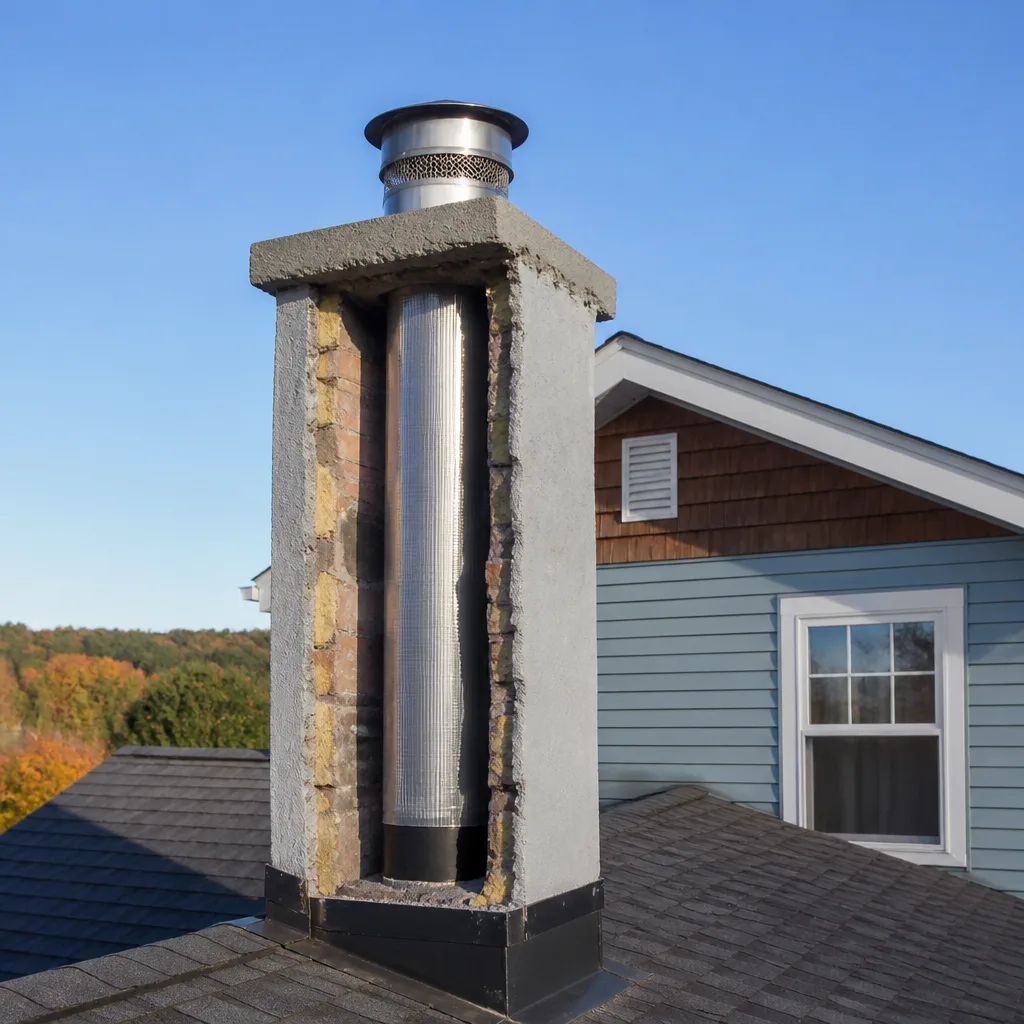 Flue relining
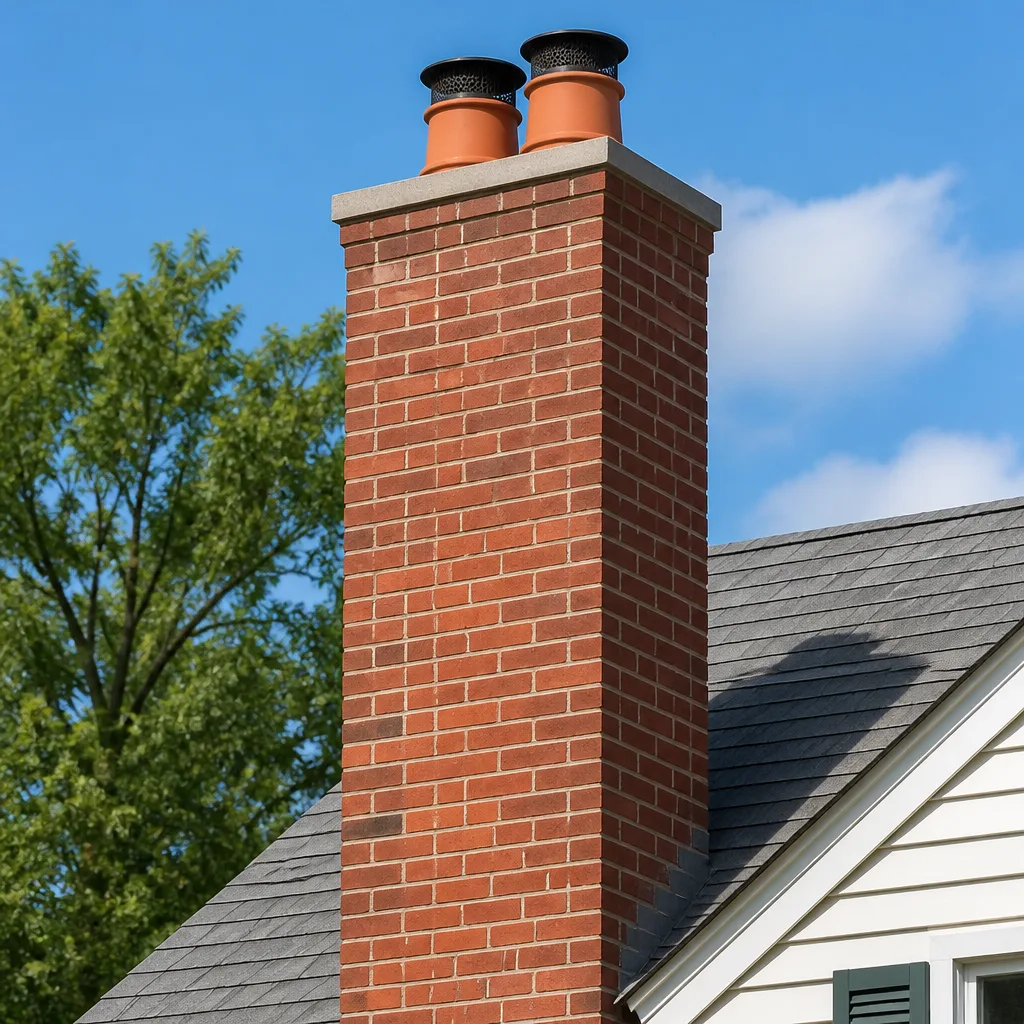 Masonry repair
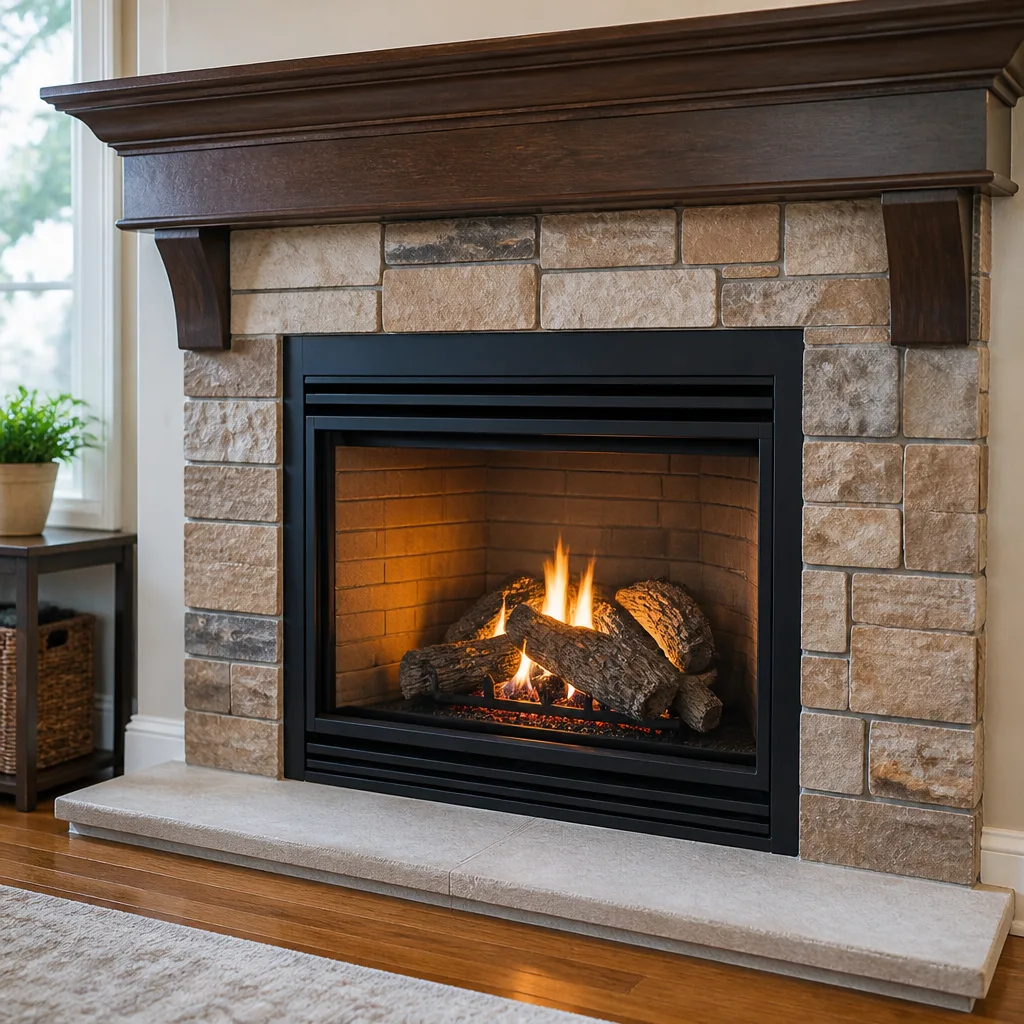 Gas fireplace service
Level 1 sweep and inspection to the NFPA 211 annual standard - flue, crown, cap, and flashing checked and photographed
Chimney sweep logs do not sweep chimneys. They loosen some creosote - which then falls where a brush and vacuum still have to collect it.
Fast, Reliable Chimney Inspection Across Pacific
Chimney inspection in Pacific, WA is a visual and camera-based check of the flue, cap, crown, and flashing, and it’s the fastest way to catch water damage and creosote problems before they spread. If you burn wood or gas in Pacific, you’re dealing with a valley climate that keeps chimneys cool and wet for months, and that changes what an inspector needs to look for. Our technicians have up to 9 years of experience reading exactly these conditions, and we know the older masonry chimneys that fill this town. Call (877) 492-4265 to book an inspection. We answer 24/7, and fast dispatch runs from 7am to 7pm, Sunday through Friday.
Why Pacific Homeowners Call Auburn Chimney Sweep Pros for Chimney Inspection
Most calls we get from Pacific start with a worry: someone told them their liner is shot, or they saw a stain spreading across a ceiling, and they want a straight answer they can trust. We built our inspection service to give you that. It’s available as a standalone visit, not bundled only as a lead-in to a sweep, so the diagnosis is honest and the report is yours either way.
We work across the full chimney system: sweep, inspection, fireplace repair, chimney repair, and cap and crown work. When an inspection turns up something, the same company can usually fix it. That matters in a town like Pacific, where a cracked crown and a loose flashing are often found in the same visit.
Pacific customers respond to plain explanations and photo evidence. We show you what we see, tell you what can safely wait, and flag what can’t. From annual sweep to full liner restoration, we aim for a chimney that’s safe to burn in, not a big bill you can’t verify.
Styles & brands we work with
- Sweep & inspection
- Caps & crowns
- Flue relining
- Masonry repair
- Gas fireplace service
Our Chimney Inspection Services in Pacific
Level 1 Inspection
A Level 1 inspection is a visual check of the readily accessible parts of your chimney and venting: the firebox, damper, flue from below, cap, and crown. It’s the right call for a Pacific home on a regular maintenance rhythm with no recent changes. If you’ve just moved in or had storm damage, go a level higher.
Level 2 Inspection
A Level 2 inspection adds a camera run of the flue and a closer look at the attic, crawlspace, and connections. It’s what we bring to older Pacific homes and to any chimney that’s been through a windstorm or a change in fuel or appliance. It’s the level that catches cracked clay tile and hidden rot that a glance from the hearth misses.
Level 3 Inspection
A Level 3 inspection is targeted and invasive, used when a Level 2 finds a problem that needs a closer look, such as damaged masonry that has to be opened up to assess. It’s less common, and we only recommend it when there’s a real reason tied to evidence we can show you.
Camera Inspection
Our camera inspection sends a scope up the flue to check for cracks, gaps, spalling, and creosote glaze you can’t see from below. In Pacific’s damp valley, this is often the step that reveals wet-freeze liner damage. The photo record lets you see the same thing we do before any repair is discussed.
For the full picture of how we approach each of these, see our chimney inspection service page. If you’re also after an annual cleaning, a flue inspection is often paired with it so nothing gets missed.
Trusted Brands We Service in Pacific
We install and work with professional-grade materials, including DuraFlex flexible liner systems, HeatShield liner restoration, and Olympia Chimney components. When an inspection points to a repair, the right material matters: a stainless DuraFlex liner in a Pacific home with a deteriorated clay flue is a very different fix from HeatShield resurfacing, which can often restore a damaged liner instead of replacing it. We don’t stock parts locally; we source what the job needs so the repair is done with the correct component, not whatever’s on hand. Call and we’ll talk through options for your specific chimney.
See the difference
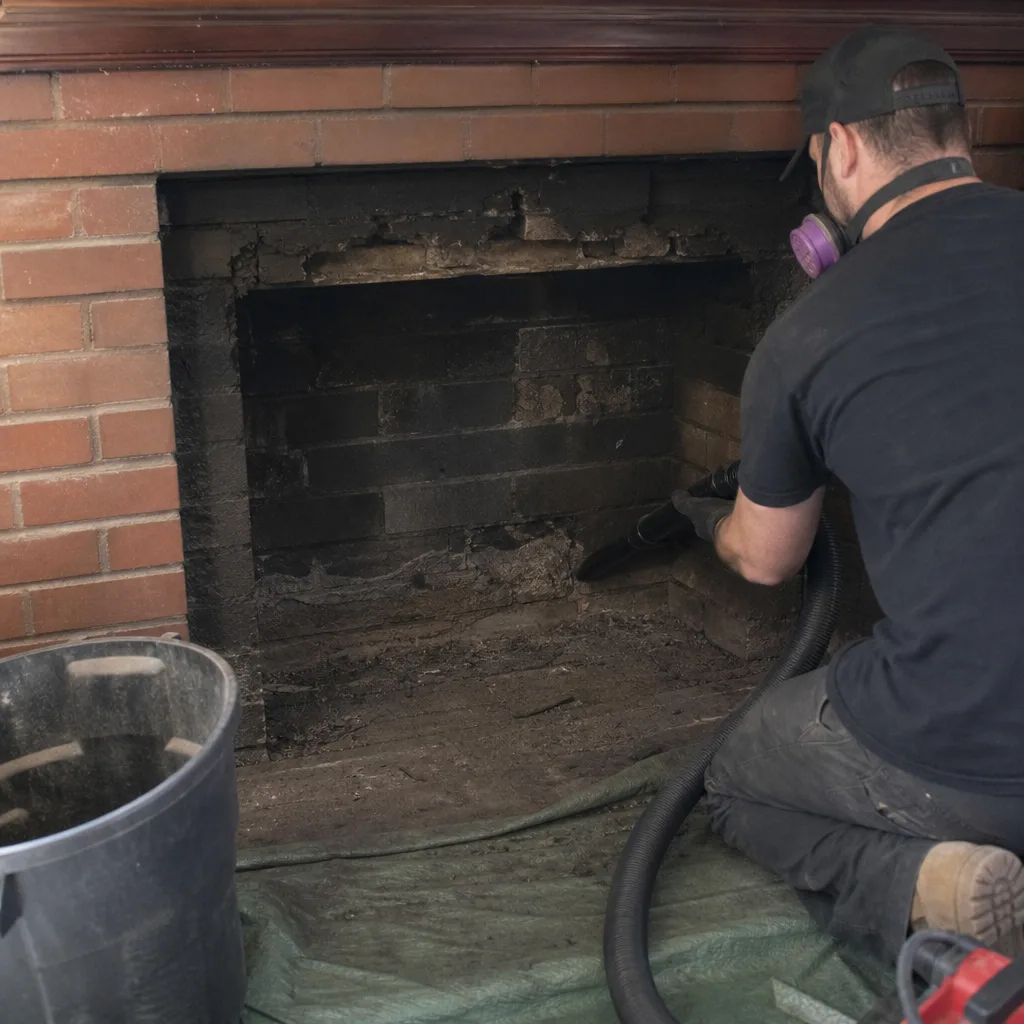 Before
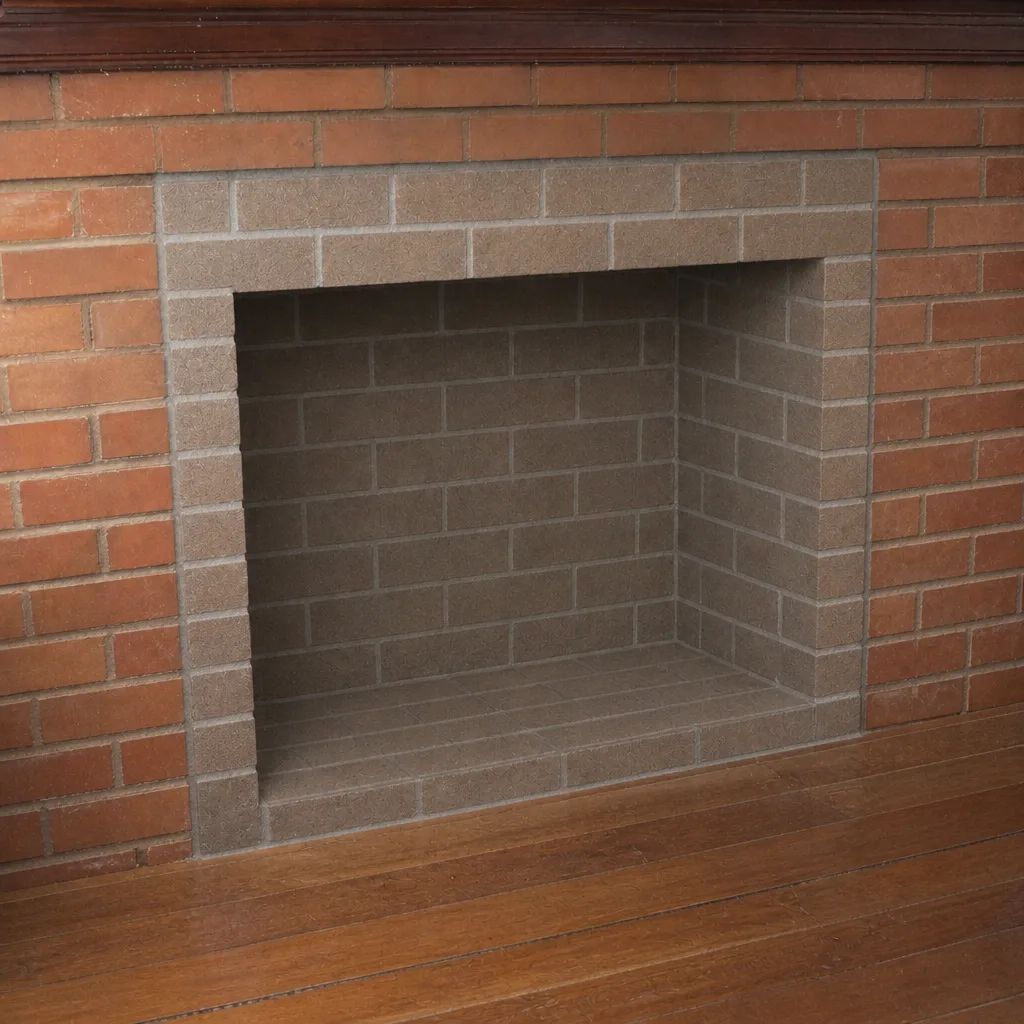 After
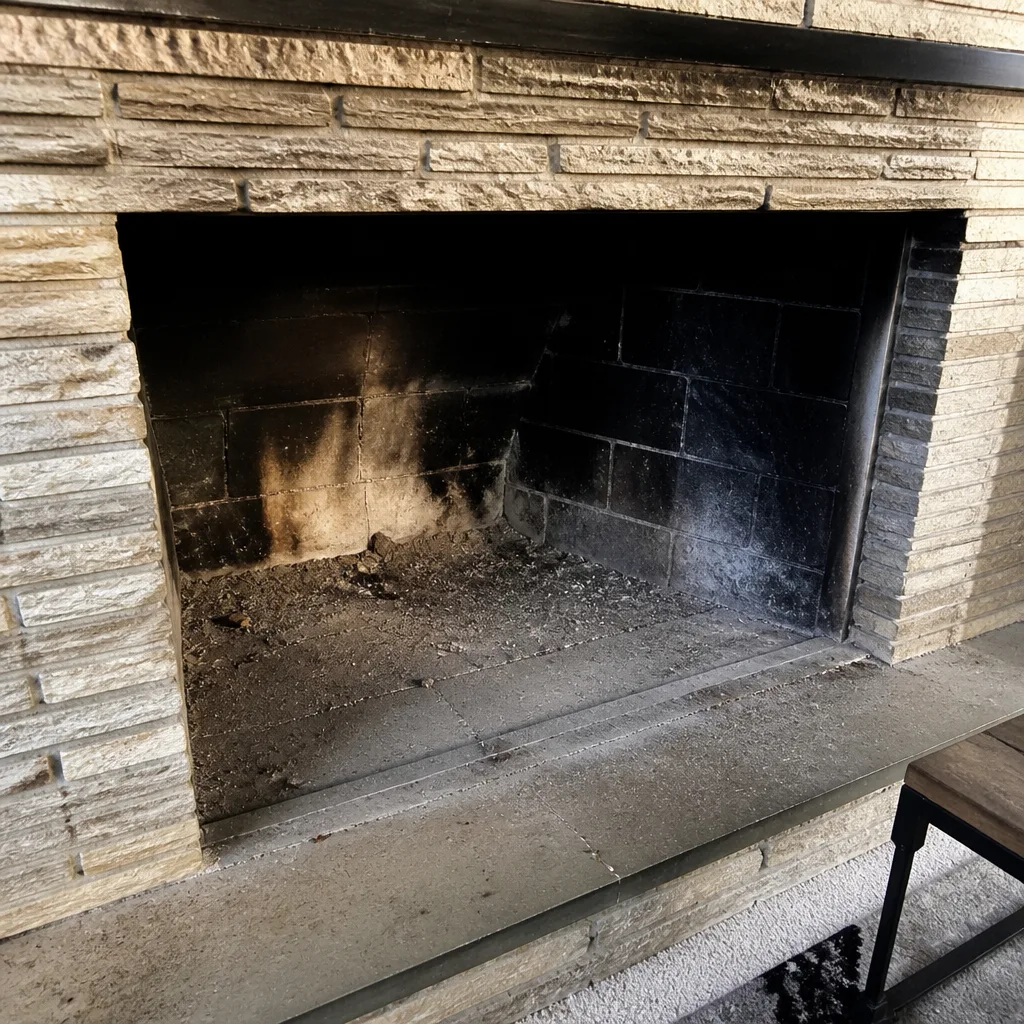 Before
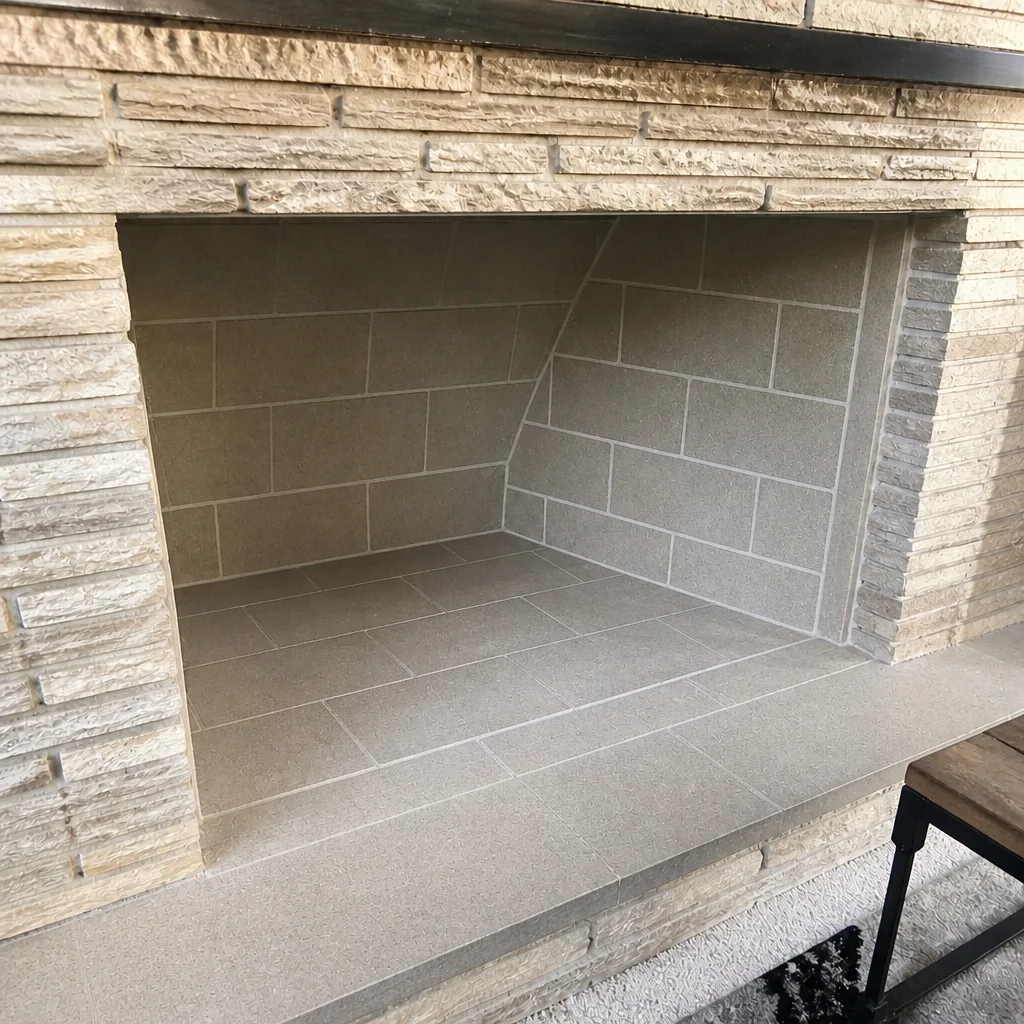 After
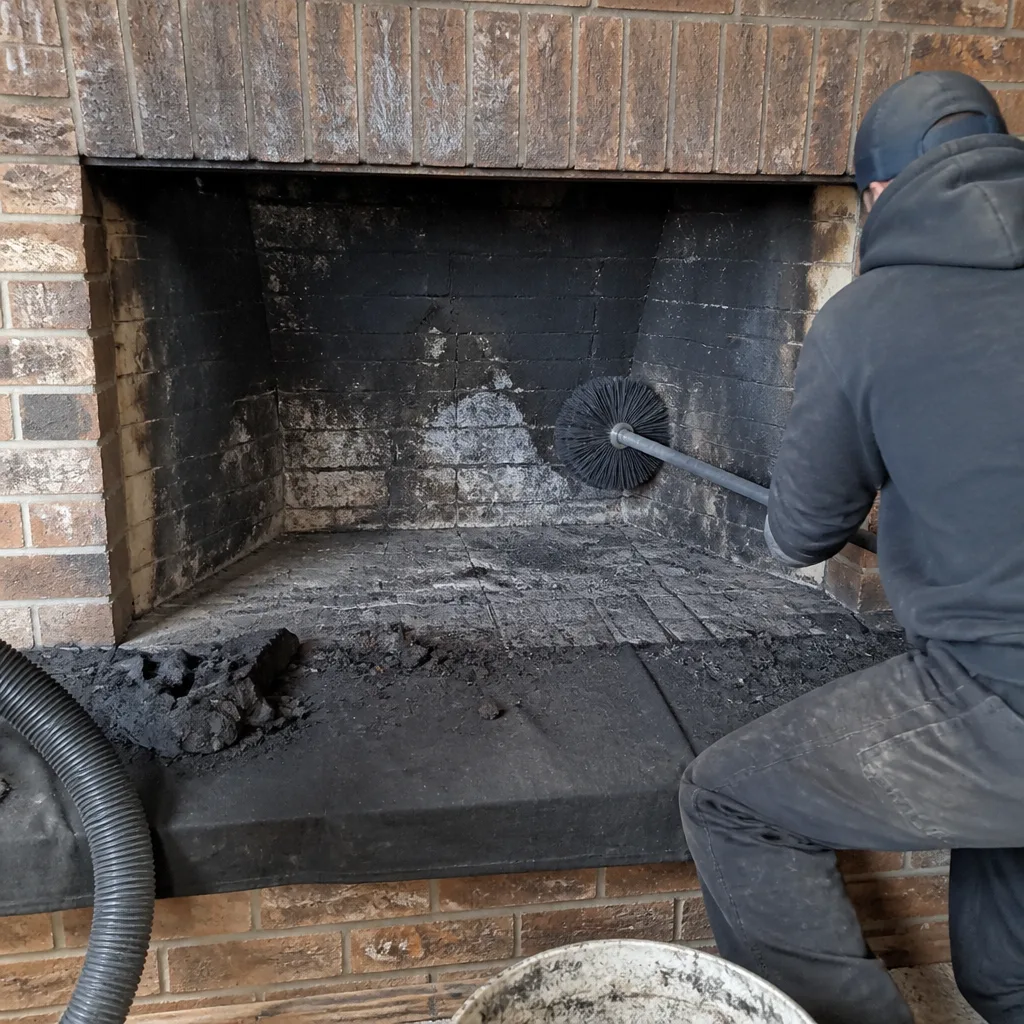 Before
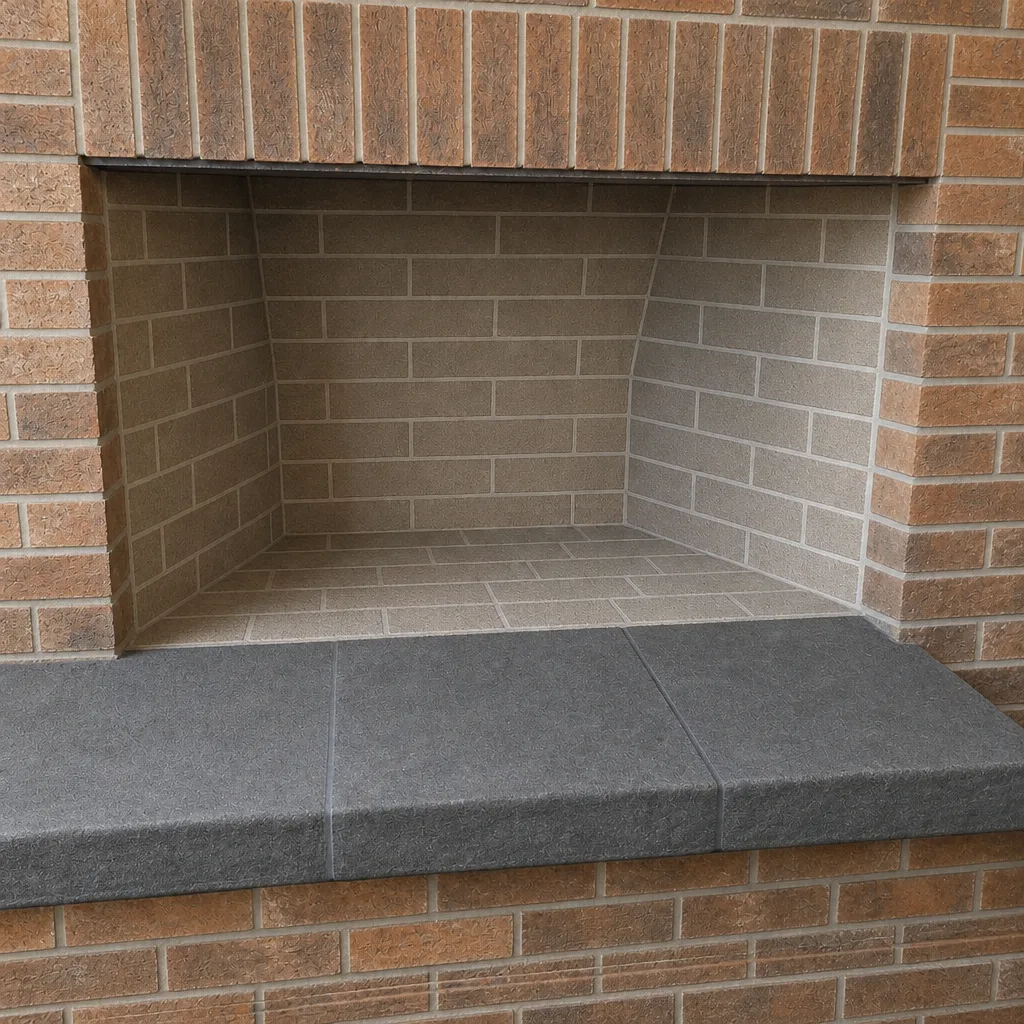 After
Common Chimney Inspection Problems We See in Pacific Homes
- Cracked crowns and displaced caps after windstorms. Wind-driven rain and gusts knock caps loose and crack crowns, opening the masonry to water. Once water soaks in, spalling follows quickly in this damp air.
- Failed flashing at the roofline. When flashing pulls away, rain finds its way in and shows up as a ceiling stain. Only a Level 2 inspection reliably reveals that kind of hidden rot.
- Cracked clay tile flue liners. Repeated wet-freeze cycles crack the original liners that are common in Pacific’s mid-century houses. A crack lets moisture and creosote seep into the chimney structure.
- Heavy third-degree creosote glaze. The cool, lingering fog keeps flues cold, so glaze forms faster here and often needs a chemical treatment before any brushing.
One local reality deserves its own paragraph. Because Pacific sits in a damp river valley where fog lingers and chimneys stay cool, third-degree creosote glaze forms faster here than in drier nearby towns. Many original clay tile flue liners in Pacific homes have already cracked from repeated wet-freeze cycles, so a Level 2 camera inspection often uncovers hidden damage that a simple sweep would miss. The town’s low-lying “Valley of the Giants” setting, under its towering firs, keeps chimneys under near-constant moisture stress, which is why cleaning visits here so often turn into creosote-and-damp assessments rather than a quick sweep. Because Pacific still allows wood burning on many no-burn days, many households burn more often through the wet months, and that accelerates glaze formation.
Here’s how a job like this usually goes. After a wind-driven rainstorm, a homeowner notices a brown ceiling stain near the chimney and finds pieces of the chimney cap on the ground. A qualified technician typically performs a Level 2 inspection, running a camera to check the flue liner for cracks and spalling, and often finds the flashing has pulled loose and the crown is cracked. The usual fix reseals or rebuilds the crown, re-flashes the chimney, and may install a new cap, with a chemical treatment if third-degree creosote is present.
Pricing for Chimney Inspection in Pacific, WA
A typical Level 1 inspection in Pacific runs $125 – $225. A Level 2 inspection with camera typically runs $225 – $375, and a Level 3, when it’s genuinely needed, runs higher because it involves opening up part of the structure. What moves the price is access, the condition of the flue, and whether camera work is required. Nothing is recommended without camera evidence you can see for yourself, and we’ll say plainly when a repair can safely wait. If an inspection points to crown or flashing repair, that work is priced separately, and the written estimate sets the final price. Call (877) 492-4265 for an exact quote. Estimates are free.
We Also Serve Cities Near Pacific
Pacific sits close to a lot of smaller communities, and we cover them with the same inspection approach. If you’re in Algona, Lakeland South, Auburn, or Edgewood, we can book you for a visit alongside a Pacific appointment. Same valley conditions, same wet-freeze liner risk, same honest diagnosis. Call and we’ll get you on the schedule.
Serving Pacific, WA – Our Local Coverage Area
We serve Pacific and nearby communities. Use the map below to see the area we cover. If you’re nearby, we can almost certainly help.
FAQs – Chimney Inspection in Pacific
Because a camera is often the only way to see the wet-freeze liner cracks and third-degree creosote that a sweep alone can’t detect. The valley’s damp air keeps flues cool, so glaze and cracking form fast and hide from a visual glance. A camera check is short and shows you the evidence directly. Call (877) 492-4265 for an exact quote – estimates are free.
Don’t climb up to check it yourself. Loose caps and damaged crowns are exactly the kind of thing a trained inspector should assess, because a fall is a real risk. Call us and we’ll take a look at the crown, cap, and flashing together, since storm damage usually hits more than one spot at once. That’s the safe move, every time.
Not always, but failed flashing is a common cause after Pacific wind and rain. A cracked crown or a displaced cap can let water in too, and the only way to know which is a Level 2 inspection with a camera. We’ll show you what we find before recommending any repair. Call (877) 492-4265 to book it – estimates are free.
You usually can’t tell from the outside or by looking up the flue, because heavy glaze forms where you can’t see it. That’s why a camera inspection is the reliable check: it shows the coating directly, and we can tell you whether a chemical treatment is needed before brushing. It’s a safety matter, not an upgrade.
A Level 1 is visual and covers the readily accessible parts; a Level 2 adds a camera run of the flue plus checks of the attic, crawlspace, and connections. For most mid-century Pacific homes with original masonry and clay tile liners, the Level 2 is the more useful baseline, especially after storms or before the first fire of the season. Call us and we’ll help you choose.
If you’ve had a ceiling stain, seen cap pieces on the ground, or just want to know your Pacific chimney is safe to burn in before the wet season settles in, give us a call. We’ll book an inspection, show you the camera evidence, and tell you in plain terms what needs attention now and what can wait. Nothing gets recommended without proof you can see. Call (877) 492-4265 for a free estimate. We answer 24/7, with fast dispatch from 7am to 7pm, Sunday through Friday.
Written by the team at Auburn Chimney Sweep Pros.